
The 5 differences between pancreas and gallbladder (explained)
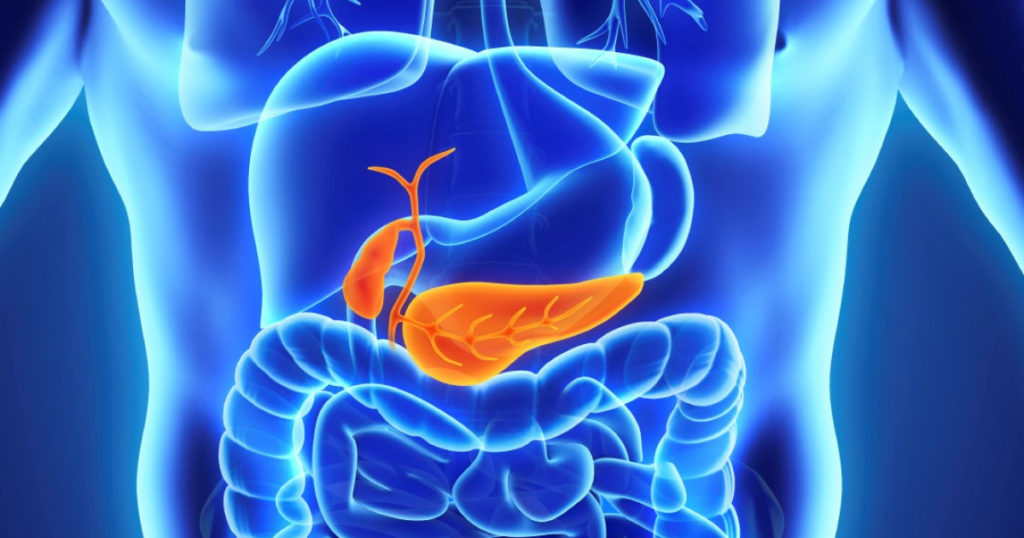
Our body is an almost perfect machine. A feat of biological evolution in which more than 80 different organs work in a coordinated way to keep our physiological functions stable and to allow us to develop both our physical and mental abilities. And in this sense, there are organs that, in society, are perfectly known: brain, heart, lungs, skin, kidneys ...
But there are others who, although it is "unfair" due to the importance they have within our body, are less famous. And as we say, there are dozens of different organs and all of them are important. But, if we weigh importance and popular ignorance, there are two that undoubtedly win the prize. We are talking about the pancreas and the gallbladder.
Two very important organs in the body whose functions, however, are quite poorly understood at a general level. The pancreas is an organ that belongs to both the digestive and endocrine systems, developing essential activities in both. And the gallbladder, for its part, is responsible for storing bile, a substance synthesized by the liver and essential for digestion.
Thus, in today's article and, as always, from the hand of the most prestigious scientific publications, in addition to perfectly understanding the physiological functions and morphological characteristics of both organs, we are going to analyze the main differences between the pancreas and the gallbladder. so you will never confuse them again.
What is the pancreas? And the gallbladder?
Later we will present the differences between them in the form of key points, but first it is interesting (and also important) that we put ourselves in context and understand, individually, what each of these organs consists of. So let's look at the morphology and physiology of both the pancreas and the gallbladder.
Pancreas: what is it?
The pancreas is a glandular organ that is part of both the digestive and endocrine systems, being an elongated structure with a length of 15-20 cm, a thickness of 4-5 cm and a weight of between 70 and 150 grams that is located in the abdominal cavity, just behind the stomach, at the height of the second lumbar vertebra, between the spleen and the duodenum and next to the adrenal glands.
At a physiological level, the pancreas is an organ that helps both to regulate blood sugar levels by releasing hormones into the blood circulation that modulate the amount of glucose in the blood vessels (endocrine function) and to digest food through the release of enzymatic compounds to the small intestine (exocrine function).
Therefore, exocrine activity is that which is linked to the digestive system. The pancreas has cells that produce pancreatic juice, which is rich in amylases (they help break down complex carbohydrates), lipases (they help digest fats and are produced solely and exclusively by the pancreas) and proteases (which break down proteins into amino acids).
When food is being digested in the stomach, the pancreas begins to stimulate its activity and releases this pancreatic juice loaded with digestive enzymes into the duodenum, which is the first portion of the small intestine. Thanks to the pancreas, then, digestion, which has not been completed in the stomach, continues at the intestinal level. In addition, it also releases carbonate to neutralize the acids from the stomach and thus protect the cells of the intestines that will absorb the nutrients.
On the other hand, endocrine activity is one that is linked to the endocrine system, as can be deduced from the name. The pancreas is specialized in the synthesis and release of specific hormones: insulin (it is the most famous and the one that lowers blood glucose levels when they are too high), glucagon (increases blood glucose levels when they are too low) , somatostatin (inhibits both insulin and glucagon secretion) and pancreatic polypeptide (inhibits somatostin secretion). All this endocrine activity allows a correct regulation of sugar in the blood circulation, something essential for health.
Therefore, the pancreas is a flat pear-shaped organ located behind the stomach that is essential both for the digestion of carbohydrates, fats and proteins through the release of pancreatic juice in the small intestine and for regulating blood glucose levels thanks to its endocrine role, modulating the release of insulin, glucagon and other hormones that control blood sugar.
Gallbladder - what is it?
The gallbladder, known simply as the gallbladder, is an organ that is part of the liver, thus being a structure of the human digestive system. It is a hollow, pear-shaped viscus about 10 cm long that is located below the liver, the largest organ in the human body, which is located in the upper right part of the abdominal cavity, above the stomach and just below the diaphragm.
At a physiological level, the human gallbladder has the important function of accumulating bile, a digestive substance that is synthesized by hepatocytes (functional liver cells) that is rich in cholesterol, bile acids and bilirubin (which is the product of decomposition of red blood cells that takes place in the liver) and that, due to its composition, helps digest the fats in food and convert them into simple fatty acids that are assimilable.
Thus, the gallbladder is a small muscular sac that collects bile produced by the liver and stores it (its capacity is between 40 and 70 ml of bile) until, when we eat and we have to digest food, we need to make use of this substance. When we need bile, the gallbladder drains its contents into the intestinal lumen. And it is thanks to its retention that we achieve that this substance is released in the optimal amounts to ensure proper performance.
In summary, the gallbladder is an organ of a visceral nature that, being associated with the liver, collects bile through the hepatic ducts and stores it until its presence in the intestine is necessary, at which time the gallbladder Through the common bile duct, it releases this substance into the intestinal lumen, thus allowing a good digestion of fats thanks to the compounds present in the bile.
How are the gallbladder and pancreas different?
After having extensively analyzed the physiological functions, morphological characteristics and anatomical properties of both organs, surely the differences between them have become more than clear. Even so, in case you need (or simply want) to have the information with a more visual character, we have prepared the following selection of the most important differences between the pancreas and the gallbladder in the form of key points.
1. The pancreas has endocrine activity; the gallbladder, no
The most important difference of all. Both organs are part of the digestive system, but the pancreas is the only one of them that is also part of the endocrine system. Thus, the gallbladder does not release any type of hormone, it only focuses on assisting in the digestion of food.
The pancreas, on the other hand, in addition to its digestive role, produces and releases hormones (insulin, glucagon, somatostatin and pancreatic polypeptide) that flow through the blood and regulate, as needed, blood glucose levels.
2. The pancreas releases pancreatic juice; gallbladder, bile
The pancreas and gallbladder, in their digestive role, are associated with different substances. The pancreas produces and releases into the intestinal lumen pancreatic juice, a substance rich in amylases, lipases, and proteases that help break down carbohydrates, fats, and proteins.
The gallbladder, on the other hand, stores (does not produce it) the bile synthesized by the liver, a substance rich in cholesterol, bile acids and bilirubin that helps digest fats. Therefore, while the pancreas produces pancreatic juice, the gallbladder does not synthesize bile, but collects that produced by the liver and stores it until its presence in the intestine is required.
3. The gallbladder only helps digestion of fats; the pancreas, to that of carbohydrates and proteins
As we have seen in the previous point, in its digestive role, the pancreas has a greater variety of functions. And is that pancreatic juice, in addition to helping digestion of fats, it also participates in the breakdown of carbohydrates and proteins that have not been fully digested in the stomach. In the case of the gallbladder, as bile only contains substances that break down fats (and they are very important, one thing does not take away the other), it does not participate in the digestion of carbohydrates and proteins.
4. The pancreas is larger than the gallbladder
At the morphological level, there are also differences. And it is that the size of the pancreas is greater than that of the gallbladder. While the pancreas is 15-20 cm long, a thickness of 4-5 cm and a weight of 70-150 grams, the gallbladder has a length of 7-11 cm, a thickness of 1.5-4 cm and a weight that, however, varies depending on the content of bile that it stores.
5. The pancreas is a gland; the gallbladder, a hollow viscus
Continuing with anatomical characteristics, the pancreas, due to its morphology and functions, is a glandular organ. A gland located behind the stomach that makes and releases both pancreatic juice and hormones. The gallbladder, on the other hand, is not a gland, it is an organ that consists of a hollow viscus It "simply" stores bile from the liver until its presence in the intestinal lumen is required.
Leave a Reply