
anaphylaxis
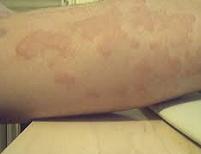
A Greek word came to French as anaphylaxie, which in turn resulted in anaphylaxis at our language. The concept refers to a body reaction that is linked to a hypersensitivity before certain substances.
Anaphylaxis appears when the individual, time after having made contact with an organic substance, does it again, suffering different disorders in his body. In this way, anaphylaxis resembles allergy, although its consequences are usually more serious.
Anaphylaxis can be said to be a immune reaction developed by the body before a bite, a food or a drug, to name a few possibilities.
The French Charles Robert Richet (1850-1935) he won Nobel Prize in Medicine on 1913 for his research on anaphylaxis. Richet discovered that contact with an antigen could create an immunization (phylaxis) or the opposite effect (anaphylaxis). In this way, in the face of new contact even in lower doses, anaphylaxis can cause an exaggerated sensitivity that leads to the death of the patient. person.
Foods such as shellfish, dairy products, and legumes; anesthetic, anti-inflammatory and antibiotic drugs; and poisons that develop certain insects they can cause anaphylaxis. The most serious condition is known as Anaphylactic shock.
Anaphylaxis can be triggered in a few seconds, and in the long list of symptom that characterize it we find the following:
* skin manifestations, such as redness of the skin, itching and hives;
* deep sense of anxiety;
* chest tightness or discomfort;
* congestion of the airways, leading to some shortness of breath and problems such as breath sounds (wheezing) and coughing;
* bronchospasm;
* palpitations;
* problems swallowing own saliva and food;
* diarrhea;
* nausea and vomiting;
* headache;
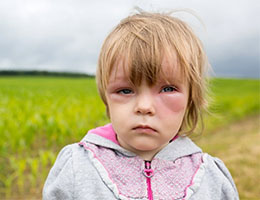
* swelling of the face in general, of the tongue and of the eyes;
* vertigo and dizziness;
* arrhythmia;
* difficulty articulating words when speaking;
* loss of consciousness;
* hypotension
Before a consultation for a supposed case of anaphylaxis, the doctor examines the patient and asks him a series of questions to try to find the right cause of the problem. If this is not evident, it is always possible to order tests for the allergen responsible for the reaction.
It is very important to note that anaphylaxis is considered an emergency, and for this reason it is necessary to require professional help as soon as it is detected. Lack of treatment can lead to collapse of the circulatory system or a fatal obstruction of the airways.
If we are with someone who is suffering from anaphylaxis, we must check their airways, listen to the sound of their breathing and control their blood circulation. Dysphonia, hoarse voice, or noises during inhalation may be signs of severe swelling in the throat.
Another essential step is to call the emergency number for immediate medical assistance. While the doctors arrive, we must try to reassure the patient. If it is a reaction to a bee sting, we can use a rigid object to remove the stinger from the skin; it is important not to use forceps, as the pressure can generate a greater release of venom.
In some cases, the patient carries a specific medication for anaphylaxis; if so, we must help him to take it, although if he has breathing difficulties it is preferable to avoid the products oral.
Paramedics have different means of assisting the person as soon as they arrive at the scene, such as placing a tube through the nostrils or mouth, or directly through the windpipe after performing emergency surgery. Already in the hospital, the doctor can supply chemical mediators, act on hemodynamics and provide oxygen.
Leave a Reply