
The 7 types of meat (characteristics and benefits)
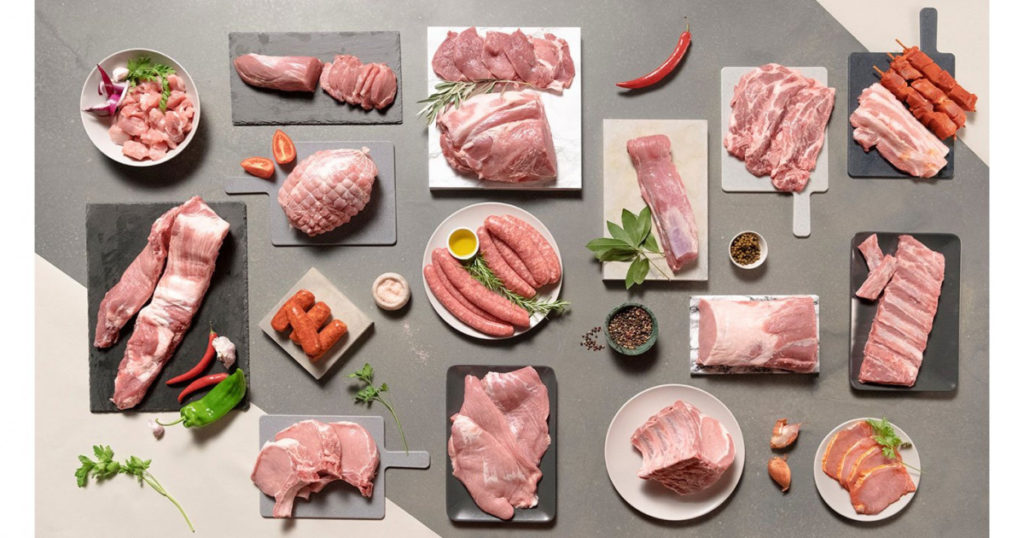
Annual meat production today is almost five times higher than it was in the early 1960s. And it is that according to data from a study by the Food and Agriculture Organization of the United Nations, we have gone from producing 70 million tons of meat in 1960 to, in 2017, producing more than 330 million.
And despite the fact that, as these data can demonstrate, the meat industry is becoming not only unsustainable, but also one of the main drivers of global warming, the truth is that, without wanting to enter into debates, the consumption of meat It is, to a large extent, part of the social, cultural and biological identity of the human species.
At least from an entirely physiological point of view, humans are "designed" to eat meat, since we are omnivorous beings. Hence, it should not be surprising that dispensing with the consumption of products of animal origin opens the doors to nutritional deficits that, in the case of following vegan diets, must be compensated with external supplementation.
So that, meat is a food that has formed, forms and will be part of our diet and that can be defined as all that muscular tissue of an animal that is consumed as a nutritional source and food product. And in today's article, to become aware of the nutritional properties of meat, we will see what types exist according to their origin.
How is meat classified?
We understand by meat all that food product that consists of the soft parts, mainly muscle tissue, of the body of an animal. Thus, it is about animal tissue that is consumed as human food and a colloquial term applicable only to terrestrial animals, generally vertebrates. In the case of seafarers, we are talking about fish.
Thus, the commercial concept of "meat" appeals to the soft, edible parts formed by muscular tissue of vertebrate terrestrial animals, basically mammals, birds and reptiles. But as we well know, the meat diversity is immense. And without even going into differentiating on the part of the animal body, we can classify meat according to both its origin and its nutritional properties.
1. White meat
White meat is all that animal tissue for human consumption that, in the raw state, it has a whitish or pale color. Generally it is meat that comes from birds (chicken, turkey and hen, mainly), but there are exceptions with some mammals that are white meat, such as suckling pigs (young pigs), rabbits and suckling lambs.
Contributing almost 33 grams of protein for every 100 grams of product, white meat is the one that represents the highest protein intake (even more than red). In addition, from a nutritional point of view, they are very healthy, as they are easy to digest, their fat content is low and they are a good source of vitamin B12, B6 and B3. Hence, white meat is highly recommended for the diet and the consumption of about 326 grams of this type of meat per person per week is recommended.
2. Red meat
Red meat is all that animal tissue for human consumption that, in the raw state, it has a reddish or pink color. Generally it is meat that comes from mammals, but there are exceptions with some birds that are red meat, such as duck, ostrich and goose. As we can see, the border between red and white meat is very blurred.
Later we will analyze several of them, but the important thing is to bear in mind that the veal, the adult pig, the lamb, the goat, the cow, the beef, the bull, the horse and the wild boar are the main examples of red meat, a of the best sources of iron. And it is that although the protein contribution is lower than in white meat (in this case it provides us between 20 and 26 grams of protein per 100 grams of product), the amount of iron is greater.
Red meat provides us with between 2.5 and 4 mg of iron (an essential mineral that we need for the proper development and growth of the body, as well as for obtaining hemoglobin, the synthesis of hormones and the regeneration of connective tissue) for each 100 grams of product, next to the between 1 and 1.5 mg of iron that white meat gives us.
At the same time, red meat is a fantastic source of zinc, phosphorus, vitamin B1, vitamin B2, and vitamin B3. Even so, it is also true that its fat content is higher. This makes it tastier and more intense in flavor, but also that we are ingesting greater amounts of saturated fat that, in excess, can increase cholesterol levels, thus compromising cardiovascular health, and stimulate an increase in body weight.
It is for this reason that a lower consumption of red meat is recommended, which is considered less healthy than white. The ideal would be to eat between 3 and 4 servings of red meat per month, which would be a consumption of about 125 grams per person per week. We do not have to eliminate red meat from the diet, since it has important health benefits, but we do have to reduce and moderate its consumption in order to prevent its damages from outweighing these benefits.
And finally, a point that we must comment very carefully. In 2015, there was a great stir as the World Health Organization (WHO) placed red meat as a potential carcinogen, in group 2 of these agents. This caused the idea that eating red meat causes cancer to spread. But this is not true. There are simply suspicions as with many other products (in this group there are also mobile phones and we spend the day with them), but everything is under study.
For now, the only thing we know is that it cannot be said 100% that the tremendously excessive and prolonged consumption of red meat (much more than what any normal person does) does not increase the risk of cancer. But, for now, we cannot say, under any circumstances, that it is carcinogenic. But that, yes, we must moderate its consumption. Not because of cancer, but because of the risk of cardiovascular problems.
3. Beef
Beef is that red meat that is obtained from cow, beef, ox or veal. With it, ribs, hamburgers, steaks, etc. are prepared, and they are the most representative meats within the group of "red" ones. They provide a lot of oleic acid, a group of omega 9 fatty acids, a healthy fat for the body. Hence, as long as it is in moderation, its consumption is good.
4. Pork meat
Pork meat is that which it is obtained from the pig. Depending on whether it is adult or young (suckling pig), we will talk about red meat or white meat, respectively. The pig stands out for being an animal with practically all the parts of its body edible. The most popular products are ham, bacon, sausages, etc. It stands out especially for its contribution of vitamin B1, an essential vitamin in the cellular processes of obtaining energy from carbohydrates.
5. Sheep meat
Sheep meat is that which it is obtained from sheep and lamb. With the exception of suckling lamb meat, which is considered white, it is red meat that, in fact, is considered one of the healthiest due to its high amounts of B vitamins, minerals such as zinc and selenium and its high concentration of omega-3 and omega-6, two polyunsaturated fatty acids that are especially common in vegetable oils, fish and shellfish. They are healthy fats that help us increase the levels of "good" cholesterol and reduce the "bad". But, let's not forget, that you also have to moderate its consumption as red meat is.
6. Poultry
Poultry meat is that which is obtained mainly from chicken, hen, duck, turkey, ostrich and goose. We usually refer to it as white meat, but we have already seen the exceptions that belong to the red meat group. The most representative, yes, is the chicken, which is fully considered white meat and is the one that most combines the benefits of this type of meat.
7. Reptile meat
And we end up with one that is exotic but has been an important nutritional source in different populations of the world: reptile meat. We talk about meat obtained from, mainly, crocodiles, snakes, turtles, alligators and lizards. There are those who consider it a delicacy, but the truth is that its consumption presents some risks of microbial contamination (especially since its commercialization does not usually follow optimal safety controls), residues of veterinary drugs and the presence of heavy metals.
Leave a Reply