
urban agriculture
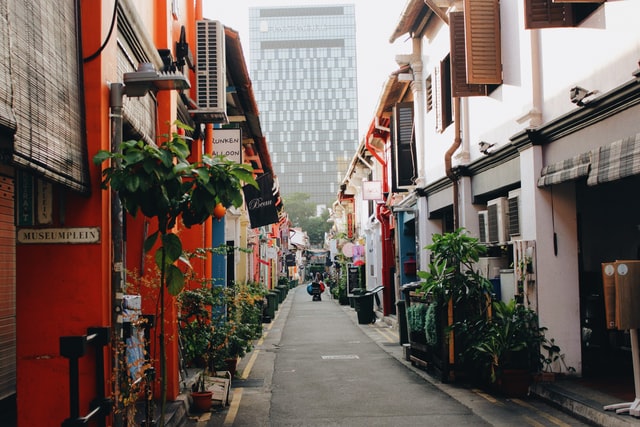
It is called urban agriculture at agricultural practices that take place in the cities or very close to them. Therefore it is a farming on a reduced scale, since in urban environments there is not the same availability of land as in rural areas.
Urban agriculture tends to develop in the roofs of the constructions, in the walls of the houses and in the balconies and the terraces of the buildings. It can also be grown in public spaces such as bridges Y streets.
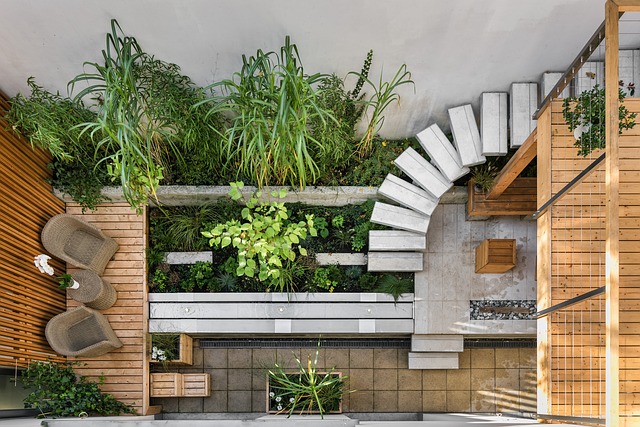
Urban agriculture can develop on roofs, walls, balconies and terraces.
Benefits of urban agriculture
Typically, urban agriculture is aimed at obtaining fresh food. By having immediate access to crops, those who live in cities increase their food safety, since they do not depend only on the raw materials that arrive from the fields.
Another benefit of urban agriculture is that it reduces the use of Energy and therefore helps to minimize contamination. By not having to transport food from other areas, polluting vehicles are not mobilized with the corresponding load.
The creation of jobs (when small producers can market their production), obtaining food without the use of agrochemicals and the possibility of recycling certain wastes are also among the advantages that urban agriculture can offer, which even helps cities to cope with climate change.
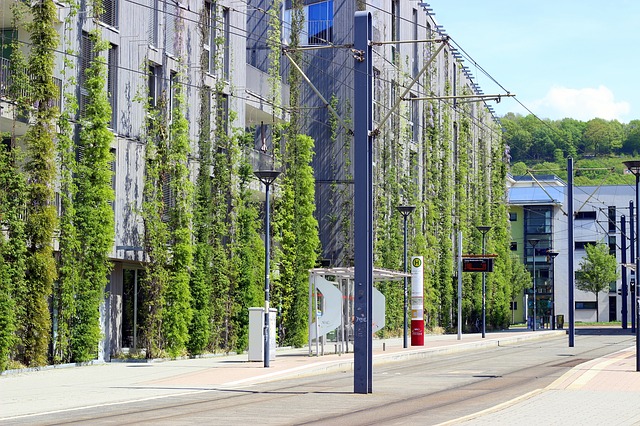
Green cities are committed to urban agriculture.
Other advantages
In addition to all the advantages indicated, we cannot ignore others that, in the same way, are considered to bring with it the aforementioned urban agriculture:
-It contributes to "greening" the cities, making, therefore, that in those there are more green lungs.
-Get not only families but neighbors and different communities to come together and work as a team to carry out their urban gardens.
-It is considered that it improves the quality of the soil.
-He puts his grain of sand when it comes to giving an important use to the so-called compost, which, otherwise, would be lost in the city.
-It makes the most of rainwater.
-Beautify the urban landscape.
-It allows the little ones, through the urban agriculture spaces that they have in their schools or homes, to start from an early age to care for and respect the environment.
How to get started in urban agriculture
For all this and much more, more and more people are deciding to start an urban garden in their homes. In that case, what they should do is follow the recommendations that the experts give in this regard:
-You have to buy containers such as pots, planters or cultivation tables.
-You must pay close attention to the substrate that is acquired, because it will be the one that will allow the crop to succeed.
-It is necessary to ask for advice from experts in the field about what to plant, since the same will not be recommended to the person who already has experience in this regard as to the one who is starting.
It should be noted that, among the negative aspects mentioned by some critics, urban agriculture can be adversely affected by the use of Water of poor quality for irrigation and for environmental pollution which usually affects large cities.
Leave a Reply