
alkaloids
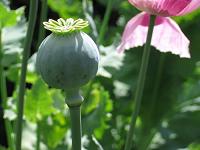
A alkaloid It is a nitrogen-type organic compound produced by certain plants. These compounds generate physiological effects of different kinds, which constitute the basis of drugs as the cocaine and the morphine.
Alkaloids are secondary metabolites of vegetables that are synthesized by amino acids. An alkaloid, therefore, is a chemical compound that has nitrogen that comes from the metabolic process of an amino acid. When its origin is another, it speaks of pseudoalkaloids.
By generating effects on the Central Nervous System, alkaloids can intoxicate to human beings. For this reason, since they are present in vegetables, it is possible that poisonings occur accidentally, when a person eats a food whose properties are unknown.
It is essential to understand that most alkaloids have their origin in the plant kingdom; so much so that about 10% of all plant species have alkaloids. In some cases, these compounds appear in all parts of the plant, as occurs with yew (the scientific name is Taxus bacata), a tree highly appreciated by birds, of which only its aril, the only non-poisonous part, can be used as food.
In other plants, the alkaloids are usually only in some of the following parts, or they are abundant in them in proportion with the rest:
* leaves: the tea (Camellia sinensis) and tobacco (Nicotiana tabacum) are just two examples of the many vegetables in which alkaloids are found in greater proportion in the leaves than in the rest of the body;
* the seeds: in this case, some of the plants that present alkaloids in the seeds are caffeine (Coffea arabica) and the strychnine from the vomica nut, a species of large tree that became known in Europe in 1500 and began being used as a poison;
* the roots: in the aconite (Aconitum napellus), in the atropine that usually appears in the belladonna (Atropa Belladonna) and in the pitolacin that occurs in the carmine grass (Phytolacca americana) we can appreciate three cases of plants that have alkaloids in the roots;
* the fruits: finally, the fruits of the aforementioned belladonna, the berry, and hemlock (Conium maculatum) have a good concentration of alkaloids.

Before focusing on the possible effects of alkaloids in our body, it is necessary to understand that plants apply them to different functions, which we can roughly divide into three groups: defensive (They use these compounds to protect themselves from animal attacks); hormonal (similar to what happens in animals with adrenaline, for example); allelopathic (to influence other plants in a positive or negative way, as it suits you).
The alkaloids are psychoactive: therefore they contribute to alleviating pain and treating mental disorders. Beyond medicinal use, alkaloids are also used for non-therapeutic purposes, putting the Health.
An alkaloid can cause a dependency in the person, which even experiences physical and psychological changes when not consuming it (the so-called syndrome of abstinence). In some cases, as with the cocaine, the addiction that it generates is very strong and the health effects are very harmful by consumption. In other products, the effects are minor, as with the caffeine.
It is important to note that alkaloids are not harmful or beneficial by themselves, but rather it depends on how they are used. The morphine, for example, it is very important to inhibit pain after surgery or while a patient suffers from CancerBut it can also lead to kidney failure or pancreatitis when abused.
Leave a Reply