
acetone

It is called acetone to a liquid that is part of the set of ketones: organic compounds that have a carbonyl-type functional group linked to a pair of carbon atoms. This liquid, which lacks Colour, is usually used as a solvent and in the production of different elements.
Acetone has a particular aroma and a sweet taste. It is a volatile compound, which evaporates easily. Acetone is soluble in contact with Water and, on the other hand, it is flammable.
For the industrial manufacture of acetone, it is common to use a process that involves hydrolysis and that makes it possible to produce, as a co-product, another substance called phenol.
The people people with diabetes and other diseases often have acetone in their urine. This is because, as cells do not have the necessary amount of insulin, the body cannot transform glucose into energy and uses fat for this purpose. Thus acetone appears in the blood and then reaches the urine.
The nature, on the other hand, it produces acetone in various plants. Volcano fumes and smoke from forest fires and tobacco are other sources of acetone.
Acetone, on the other hand, can be used to produce nail polish remover since, due to its characteristics, it allows the enamel to be easily removed from the nails. Also due to its properties, this chemical compound is used to make stain removers. Various medicines and plastics are others products that include acetone among its components.
Risks of contact with acetone
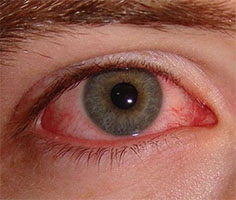
The Health of humans can be compromised by exposure to acetone, and this can occur in a number of ways, including the following:
* through respiration, since in the environment there may be low levels of acetone without our knowing it;
* also inhaling it, but at high levels, something that can happen in factories or when using certain chemical products such as paint, nail polish, and household hygiene items;
* ingesting food, drinking liquids, or directly touching any product that contains acetone;
* In the case of children, they often put dirt or sand in their mouth while playing in public parks, and this can lead to them inadvertently consuming acetone, especially if they are in the vicinity of a dump of toxic waste;
* through tobacco smoke, either directly or indirectly.
Taking into account the situations in which we can come into contact with acetone, let's see how this compound affects our health. After exposure to acetone, it reaches the blood, the medium that carries it to all our organs. If we breathe moderate to high levels, even for a short time, some of the following may appear symptom:
* damage to the respiratory system and eyes;
* dizziness, trouble thinking clearly, and headaches;
* increased heart rate;
* vomiting or nausea;
* loss of consciousness with risk of coma;
* Women can suffer from the alteration of their menstrual cycle, more precisely because its duration is shortened. Also, if the exposition it is very long and very high levels increase the chances of birth defects in your future children.
Similarly, after ingesting acetone orally, similar symptoms may occur, including injury on the skin of the mouth. It is important to note that there are certain signs of the presence of acetone in the air, which can help us get away from a place with excessive levels: burning eyes and irritation of the nasal passages are two clear examples.
Leave a Reply