
ataxia
It is called ataxia to a disturbance in the operation of the nervous system. When the disorder affects the development of voluntary movements, it is classified as locomotor ataxia, according to what is detailed in the dictionary of the Royal Spanish Academy (RAE).
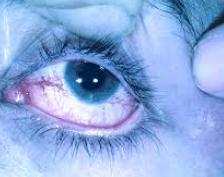
People with ataxia have trouble coordinating the movements of different parts of the body. Body. In addition to movements of the legs, arms, hands and other sectors, ataxia can also affect swallowing and the action of moving the eyes, for example.
The cause of ataxia is found in the nervous system. When the origin is in the cerebellum, we speak of cerebellar ataxia. Ataxia is generally considered a clinical sign of other diseases and conditions (head trauma, brain cancer, etc.), although there are also specific diseases known as ataxias.
The Friedreich's ataxia, for example, it is a neurodegenerative and inherited disease that causes progressive damage to the dorsal spinal nodes and the cerebellum. Its effects include lack of coordination of movements, decreased sensation, and scoliosis.
The cause This type of ataxia is found in an abnormality or defect in a gene called frataxin that leads to excessive production of trinucleotide repeat (GAA), a specific part of DNA. Generally, the body has a minimum of eight and a maximum of thirty copies of GAA, but in people with Friedreich's ataxia there may be more than a thousand. The repercussion of this factor is very high: the greater the number of copies, the earlier the disease will manifest itself and the faster the deterioration of the person.
It is important to note that Friedreich's ataxia belongs to the group of genetic disorders autosomal recessive; This means that to contract this disease it is necessary to inherit a copy of the gene anomalous of each of the parents.
The symptom of Friedreich's ataxia, which usually appear from the time before puberty, occur because of the wear and tear of certain parts of the spinal cord and brain that are responsible for functions such as control of muscle movement and coordination. Among the most common are:
* speech problems;
* alterations in vision, especially in color;
* reduction of ability to perceive vibrations in the legs;
* foot disorders, including high arches and the hammer toe;
* about 10% of people experience hearing loss;
* loss of balance and coordination that often lead to frequent falls;
* instability in gait, with a tendency to worsen.
Some of the tests that doctors usually perform for patients with Friedreich's ataxia include the following: electrocardiography, electromyography, nerve conduction tests, muscle biopsy, CT scan, chest X-ray, and electrophysiological studies. Eye exams can reveal hurt in the optic nerve, something that usually does not present symptoms, while those of sugar in the blood can allow the detection of glucose intolerance or diabetes.
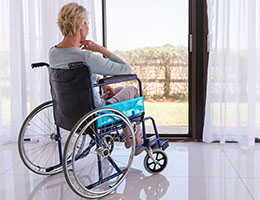
Since there is no cure for Friedreich's ataxia, it is only possible Improve Life Quality from the patients. For this there are treatments such as speech therapy, physical therapy, and wheelchair assistance.
The Louis-Barr syndrome, which is also known as ataxia-telangiectasia, is another disease hereditary type. In this case, it is produced by a mutation that appears in the ATM gene, Located in the chromosome 11. Lack of coordination is compounded by skin discoloration, spasms, and seizures. It should be noted that ataxia-telangiectasia can be divided into classical or not classical according to its characteristics.
Leave a Reply