
Forex market
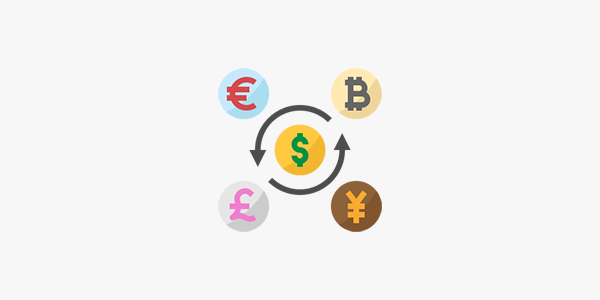
What is the forex market?
The forex market, also known as FOREX, is a global market in which currencies from different countries are exchanged, known as foreign exchange.
In this market there are bidders Y plaintiffs who agree to carry out a certain transaction at a set exchange price, called the exchange rate.
The forex market is the market base of all other international financial markets, due to the fact that it establishes the exchange value of the currencies in which the international monetary flows will be carried out.
This market is not limited to a specific geographical area, but operates in all the places where this sale is carried out.
Characteristics of the currency market
The main characteristics of the foreign exchange market are the following:
- Currency operations are carried out all over the world, so they handle large amounts of money.
- There is a great facility to make or receive payments derived from international economic transactions, in any convertible currency and with a high degree of efficiency Y convenience.
- The exchange rate for currencies is double, since there is a price for the buyer and another for the seller. The purchase price is always lower than the sale price, since the difference makes it possible for the intermediary to benefit.
- The values of all currencies are interrelated. The buying and selling operations are carried out very quickly and from to large volumes. Entities of recognized solvency participate in them, which allows the intervention of arbitrageurs, actors who benefit from the difference in prices or currency quotations.
- Exposure to exchange risk appears linked to a large number of operations, for example exports, imports, loans, borrowings in foreign currency, direct investments abroad, investments in foreign currencies, among others.
- The 24 hours a day for 5.5 days a week. It operates from Sunday afternoon until Friday, when it ends with the closing of the New York Stock Exchange. (US time).
Forex market instruments
The main instruments of the foreign exchange market are the following:
- Spot operations: they are agreements to exchange one currency for another, at a specific exchange rate. The exchange of these currencies must take place within 48 hours or less after the transaction date.
- Forward operations: are those made through a currency exchange agreement, at a certain time and to materialize in a future period of 1, 2, 3 or 6 months. The forward currency purchase - sale contract is a firm contract and its fulfillment is not optional, but mandatory. Two classes of participants attend this type of contract: those seeking security and speculators.
- Currency options- An option is a contract that gives the option holder the right to buy or sell a certain amount of a currency at an agreed price, called strike price or exercise price, at the time the option is effective.
- Swaps currency: it is a contract to buy or sell an amount of a currency at a future date, at a specified value and at an agreed exchange rate; simultaneously to sell or buy that same amount of currency at a later date and also at an agreed exchange rate.
Forex market participants
The main currency participants are companies, individuals, commercial banks, central banks and traders (brokers):
- Companies: International corporations, for example, participate in foreign currency purchase and sale operations when subsidiaries pay dividends to the parent company, or when canceling merchandise imports made in a currency other than their own currency of account.
- Natural people- They may need foreign exchange to conduct business, travel abroad, protect themselves, or speculate financially.
- Commercial banks: they provide foreign exchange to companies and individuals through their network of exchange offices. Commercial banks carry out arbitrage operations that make it possible to ensure that quotes in different centers tend towards the same price.
- Central banksThese institutions participate in the foreign exchange market for two fundamental reasons. In the first place, central banks have to acquire various types of currencies for purposes of payment of imports and capital debts of their corresponding countries. Second, they participate in the exchange market to determine the composition of their international reserves.
- Brokers: foreign currency traders handle transactions between buyers, sellers, and banks, for which they receive a commission.
| Bibliography: |
|---|
|
Leave a Reply