
The 3 Differences Between Osteoporosis and Osteoarthritis (Explained)
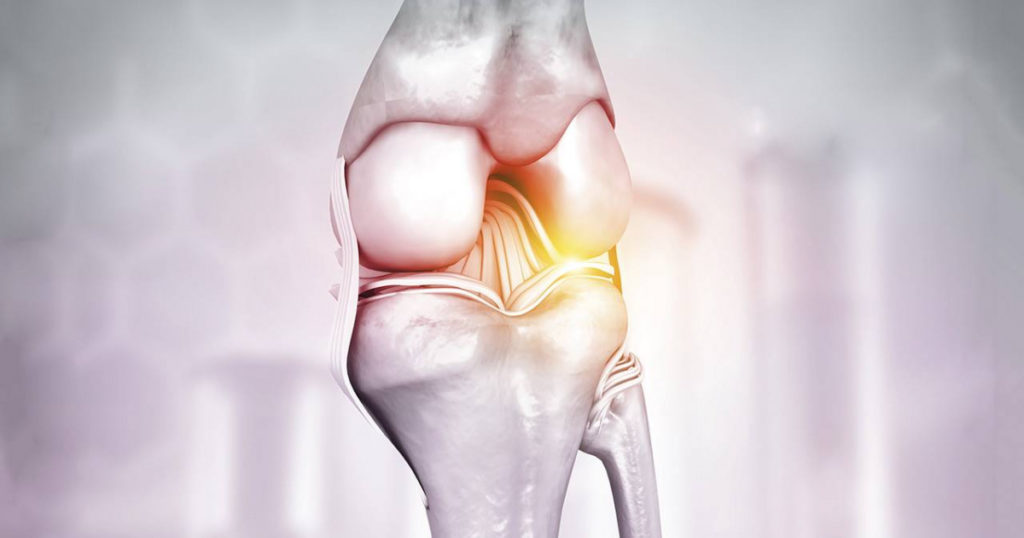
Each of the 206 bones that we have in adulthood can be understood as an individual organ which, together, constitute the pillar of the human skeletal system. And although we do not usually consider them as such, bones are living and dynamic structures where bone tissue, like any other tissue in the body, regenerates and changes over time.
After all, bones are made not only of collagen fibers and calcium and phosphorus minerals that give them rigidity and strength, but also cells. Osteoclasts and osteoblasts are bone cells that are responsible for the remodeling and production of bone. And these cells, which die and are replaced by new ones, make bones living organs.
With this we want to introduce the idea that bones, like any other organ in the body, are susceptible to disease. And it is in this context that bone diseases come into play, all those pathologies that affect the physiology or morphology of bones. And it is common to confuse some of them, especially when it comes to osteoporosis and osteoarthritis.
Osteoporosis is a pathological loss of bone density, while osteoarthritis is a chronic disease that affects the joints due to the loss of cartilage present in them. Thus, in today's article and in the hands of the most prestigious scientific publications, we are going to explore the clinical bases of both pathologies already investigate, in the form of key points, the main differences between osteoarthritis and osteoporosis.
What is osteoporosis? And what about osteoarthritis?
Before going into depth and detailing the main differences between both pathologies that affect the skeletal system, it is interesting and important that we put ourselves in context by defining these two diseases individually. In this way, both their similarities and, above all, their differences will begin to be clearer. Let's see, then, what is osteoporosis and what is osteoarthritis.
Osteoporosis: what is it?
Osteoporosis is a bone disease that is based on a pathological loss of bone density Because bone mass is lost faster than it is regenerated, making bones increasingly brittle. This makes the person more prone to bone fractures even with minor blows or minimal trauma.
The progressive and continuous decrease in bone density arises, then, when the rate of death of bone cells is higher than that of renewal, something that can arise due to the natural aging of the body (the most common cause, presenting especially in women older than 70 years), by hormonal changes associated with menopause, by problems in collagen synthesis (appearing in children, adolescents and young adults), by genetic disorders or as a consequence of endocrine, cardiovascular, gastrointestinal disease , blood or rheumatic, such as osteoarthritis.
Either way, it is a disease suffered by 200 million people in the world and whose causes are largely unknown. Even so, some risk factors are known such as being a woman, having a family history, being sedentary, being overweight or obese, following a diet low in vitamin D and / or calcium, abusing alcohol, having low levels of sex hormones or suffering from hyperthyroidism, among others.
The diagnosis of osteoporosis is complex in the sense that it is difficult to mark the border between what is considered a disease and what is not, but when this loss of bone density crosses the threshold and becomes a pathological situation, symptoms such as back pain, stiffness or pain in the joints, loss of height, back pain and, of course, a tendency to suffer bone fractures after minor falls, blunt blows, minimal trauma and even, in the most severe cases, without apparent reason.
And it is here, in relation to this tendency to suffer bone fractures, that complications come into play, mainly associated with hip and vertebral fractures, which can be very severe both in terms of physical disability and even death. And it is that a study presented in 2010 by the European Union showed that each year 43,000 people die in Europe as a direct consequence of fractures associated with osteoporosis.
This is why knowing prevention measures is so important. To prevent osteoporosis, it is important to ingest about 1,200 mg of calcium daily from the age of 50, eat enough protein, do not smoke, do not overindulge in alcohol, avoid falls as much as possible, control weight body, playing sports and getting enough vitamin D and calcium. Because even if there is treatment (with drugs that strengthen the bones), for the vast majority of cases, which are mild, it is enough to apply these same prevention strategies.


Osteoarthritis: what is it?
Osteoarthritis is a rheumatic disease that is based on a loss of cartilage present in the joints. It is a chronic pathology that affects the joints and whose appearance is linked to the natural aging of the body. In fact, we all suffer from it in our 80s (and sometimes it shows signs of its presence at 40) after a lifetime of movements, efforts and blows on these joints.
Cartilage is an element of the joints that is formed by connective tissue and that is rich in chondrogenic cells, collagen and elastic fibers, thus being resistant structures without nerves or blood supply (something that explains its lack of color) that, in addition to giving It forms the nose, the trachea or the ears, they are located between the bones to avoid rubbing and friction between them.
Over time, cartilage is irreversibly lost. And there comes a time when the loss may be enough for the bone pieces of a joint to rub against each other, at which point pain and even difficulties in moving this damaged joint arise. Thus, osteoarthritis is a chronic degenerative process due to cartilage wear over the years, being linked to aging.
Hence, almost 50% of the population develops osteoarthritis with greater or lesser severity. A disease that manifests itself with symptoms such as morning joint stiffness (which disappears within a few minutes), joint pain during joint movement (not at rest), and sometimes numbness and even swelling. Osteoarthritis in the hands is the most common, especially in people who meet the risk factors: obesity, being an elite athlete or having a job that requires a lot of effort in specific joints.
As we said, cartilage degeneration is irreversible, so there is no cure for osteoarthritis, a chronic disorder. Even so, practicing physical activity (which does not force the damaged joint), avoiding being overweight and taking medications that relieve pain and even some that improve joint mobility can help both to relieve symptoms and prevent degeneration from going further.


How are osteoporosis and osteoarthritis different?
After this extensive but necessary introduction defining both diseases, surely the differences between them have been more than clear. Anyway, in case you need or simply want to have the information with a more visual nature, we have prepared the following selection of the main differences between osteoarthritis and osteoporosis in the form of key points.
1. Osteoporosis is a bone disease; osteoarthritis, a rheumatic disease
A very important difference. Osteoporosis falls within the group of bone diseases, as it is a pathology that affects the morphology and physiology of the bones. And, as we have seen, it is a consequence of an imbalance between the death rate of bone cells and their regeneration rate.
Osteoarthritis, on the other hand, is not considered a bone disease. Nothing really happens to the bones. It is, yes, a rheumatic disease, as it is a pathology that is due to alterations not at the bone level, but at the joints.
2. Osteoporosis is a loss of bone density; osteoarthritis, a loss of cartilage
Surely the most important difference and the derived from all the others. Osteoporosis is a pathology that develops as a result of a loss of bone density, which makes the bones increasingly brittle and the patient has a higher risk of suffering bone fractures from minor blows, minor trauma or small falls. . This opens the door that, especially due to hip and vertebral fractures, osteoporosis is directly responsible for more than 40,000 deaths annually in the European Union alone.
Osteoarthritis, on the other hand, is not associated with a loss of bone density, but with an irreversible loss of cartilage in one or more joints, the elements that, under normal conditions, prevent friction between bone pieces. This means that, although it is not as serious as osteoporosis since there are not so many associated risks, it does cause more discomfort, since as this cartilage is lost, the bones rub against each other and pain is experienced that can be mild but also severe.
3. Osteoarthritis is due to aging; osteoporosis, not always
Osteoarthritis is a normal consequence of the aging of the body. And it is that although there are risk factors that can accelerate its appearance, we all end up, after a lifetime of putting stress on the joints, with cartilaginous wear that causes us to suffer, with greater or lesser severity, this pathology. In fact, from the age of 80 we all have osteoarthritis in some joints.
However, in osteoporosis, although it may simply be due to aging, there are many other triggers, such as having gone through menopause, suffering from a genetic disorder, having problems in collagen synthesis or suffering from one of the many endocrine, blood, gastrointestinal or rheumatic diseases that have, as an associated symptom, this loss of bone density.
Leave a Reply