
The 15 most incredible extinct animals (that we will not see again)
Since life exists on our planet, fauna has evolved and undergone transformations. In fact, you will be surprised to learn that throughout history there have been, for various reasons, five mass extinctions of animal species. Scientists now believe that human damage is leading to a probable sixth great extinction.
A species is considered to be in danger of extinction when all specimens of a species are at risk of disappearing from planet Earth. The international reference body that monitors the status of species in this regard is the International Union for Conservation of Nature. From this entity they recognize that there are more than 5000 animal species currently in danger of extinction, a figure that is undoubtedly very alarming.
Surely you are wondering how it is possible that a species is in danger of disappearing. The truth is that there are several reasons that can cause the extinction of living beings. Between them highlights the destruction of their habitats, climate change, indiscriminate hunting and the introduction of exotic species in ecosystems to which they do not naturally belong.
Preventing the extinction of species therefore requires applying measures that prevent deforestation, reduce pollution and climate change, and condemn illegal hunting and animal trafficking. In the same way, it is necessary to create natural reserves and implement programs for the reproduction and reintroduction of species at risk.
Governments must implement these types of measures, but individual responsibility and public awareness also play a crucial role in protecting endangered animals. Unfortunately, over time all these factors, together with the lack of adequate measures, have caused many species to disappear. In this article we are going to know the 15 most incredible extinct animals.
The most amazing animals that have become extinct
Next, we are going to know those most surprising extinct animals.
1. Caribbean monk seal
This species of seal lived in tropical waters, specifically in the area of the Gulf of Mexico, the east coast of Central America and the northern coasts of South America. The main reason that led to its disappearance was indiscriminate hunting, which sought to obtain the precious oil from its fat. In addition, many species that served as food for these seals were also caught uncontrollably, rendering these animals unable to feed. This species was last seen in 1952, and was officially declared extinct in 1994 after years without sighting any specimen.


2. Alabama mussel
Although a mussel does not seem like a surprising species, the truth is that the history of this type of mussel is, to say the least, curious. This mollusk lived in the Mobile River, in Alabama (USA), until 2006. The curiosity of the Alabama mussel is that it was capable of filtering contaminated water from these waters.
But nevertheless, pollution levels were so high that this living being was unable to tolerate them. The extinction of this mussel allowed us to know the state of these waters, where numerous chemicals from the industry were discharged that damaged the ecosystem and the health of the African-American population that lived along the river.


3. Dodo
The Dodo bird was an original bird species from the Mauritius Islands. It was characterized by a pointed beak, a rounded head and, curiously, its inability to fly. Scientists believe that this is because this animal was not threatened by natural predators, so it lost this ability as it was not necessary for its survival. Instead, it did develop oversized legs to move on the ground.
It is estimated that it became extinct around the seventeenth century, due to the arrival of European settlers. These introduced new animal species and began to hunt the dodo for food, so it was immediately exterminated.


4. Cuaga or quagga
This animal was a subspecies of the native South African zebra. Its distinctive feature was that it only had stripes on the front of its body, but the lower half was brown like a horse. Its special appearance made it the target of poachers, who killed this poor animal around the 19th century. One last specimen was preserved in an Amsterdam zoo until 1883.


5. Pinta Island Turtle
This giant-sized tortoise lived on the Pinta Island of the Galapagos Islands, in Ecuador. Its most striking feature was its shell, shaped like a saddle. Unfortunately, this species was not spared from poaching either, which is why it was mostly exterminated in the late 19th century. However, a last copy was kept until 2012.


6. Wolf of the Falkland Islands
This wolf was the only natural land mammal on these islands. Like the previous ones, it suffered human damage to extinction. On the one hand, it was a prey desired by hunters for its beautiful fur. In addition, the shepherds saw in this wolf a threat to their livestock, so they did not hesitate to poison it. Added to this, the vegetation in the area did not help it hide from the human being, as there were no thick forests that served as a refuge. All this ended with its definitive extinction in 1876.


7. Caucasian sage
This subspecies of the European bison lived in the Caucasus mountains, between Europe and Asia. The ravages of the First World War, coupled with poaching and outbreaks of fever that attacked these cattle, contributed to the extinction of this animal in 1926.


9. Western black rhino
This subspecies of the black rhinoceros lived in the savanna of central and western Africa. This animal suffered from poaching, before which the government did not take effective measures to stop it and punish the hunters. After several attempts carried out over the years to find a specimen in the area, ended up declaring extinct in 2011.


10. Tasmanian Devil
This animal, known as thylacine or Tasmanian Devil, was a marsupial mammal typical of the area of Australia, Tasmania and New Guinea. This species disappeared due to the action of the European colonists. They considered it a dangerous pest for livestock and it became a common prey. To all this must be added the introduction of non-native species, such as dogs, and significant deforestation. All these conditions led to the last specimen died in 1936.


11. Java Tiger
This subspecies of the native Indonesian tiger was characterized by its fine stripes and narrow snout, which differentiated it from other species such as the Bengal tiger. The Java area suffered brutal deforestation in the 1970s to produce rice, with the vast majority of its forests disappearing. This destruction of the habitat, added to the reduction of their prey (deer and wild boar), led to its extension in 1980.


12. Great Alca
This flightless seabird used to live on the shores of the Atlantic Ocean. It was common prey for other animals, such as eagles, polar bears or killer whales. Humans were not far behind, as they hunted the auk in an uncontrolled way, as its unusual appearance was attractive to museum collectors. Although an attempt was made to stop the extinction of this species with restrictive laws, these measures were not enough to save it. The last time this animal was sighted was in 1852.


13. Irish Moose
This species of elk existed in what is now northern Ireland no less than 11,000 years ago. This is known since skeletal remains of the skull of this animal have been found. Thanks to these finds it is known that these moose had huge antlers of more than 3 meters in length. The height of the males could exceed 2 meters and their weight could exceed a ton.


14. Woolly Mammoth
This species, also known as the Tundra Mammoth, was a mammal of very large proportions. Its thick fur and fat layer up to 10 cm thick allowed it to withstand extremely cold temperatures. The extinction of this animal was due to the progressive warming of the planet, so that about 4000 years ago the last specimens disappeared forever.


15. Megalodon
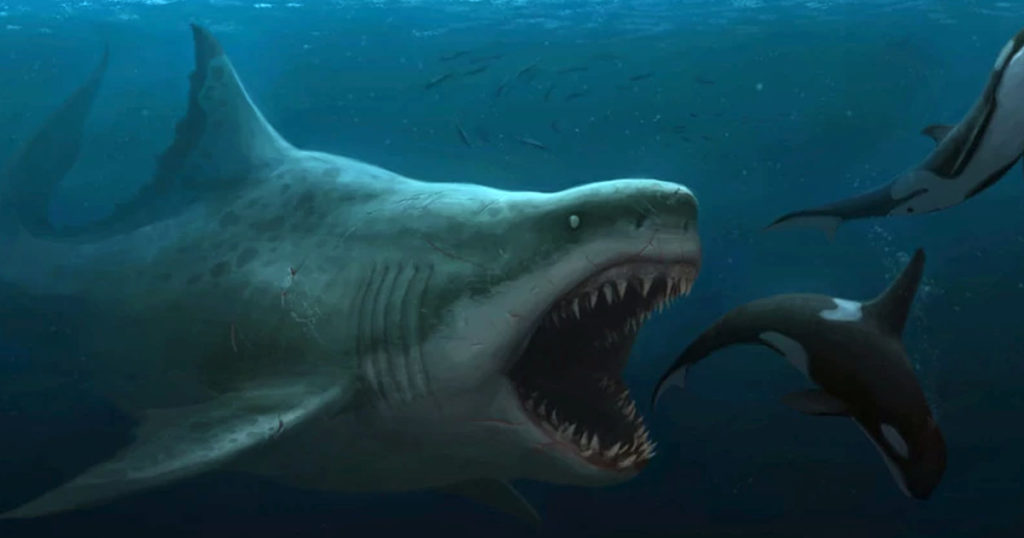
The megalodon, also known as the megalodon, was a species of shark that became extinct several million years ago, specifically in the Cenozoic stage. This animal was distantly related to the great white shark and It is considered one of the largest predators in the history of vertebrates. Thanks to the findings of the remains of its teeth and jaw, it has been possible to estimate its total size, whose length is believed to have reached 18 meters. The reasons for its extinction have never been clarified.


Conclusions.
In this article we have compiled 15 species of extinct animals. Most of these animals have disappeared due to the destruction of their habitats, poaching and indiscriminate hunting and the introduction of strange species into their ecosystem by humans. Although these animals can no longer recover, it is the responsibility of humans to take care of the animals and respect their environments to prevent the disappearance of biodiversity.
Leave a Reply