
The 15 myths about breastfeeding, debunked
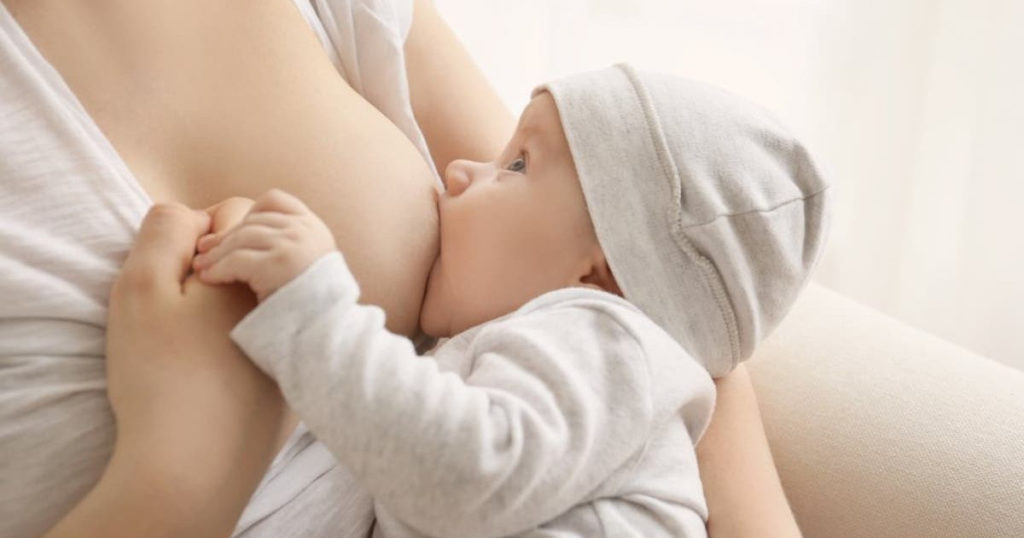
There are many myths that exist regarding breastfeeding and many mothers are concerned about not knowing if they are feeding their child well. But breastfeeding is much simpler than it is at times, we should not change our eating routine so much, drinking ... It will only be necessary for the mother to eat a balanced and healthy diet.
Likewise, the control of milk intake schedules does not have to be strict either and will depend on the number of times each baby needs, being they the ones who decide and set the rate of breastfeeding frequency. In this article we will present some of the most common myths about breastfeeding and we will give arguments and explain why these myths or beliefs are false.
What are the myths about breastfeeding that need to be debunked?
It is important to be well informed about how correct breastfeeding is and to disprove all the myths that exist about it, since all it does is impair the correct performance of it.
1. I will not be able to produce the amount of milk necessary for the baby
This belief is false since the mother's body will produce the amount of milk necessary for the baby. Two aspects that can affect is the position used to breastfeed, which can make it difficult to suck or the number of times the baby is breastfed, the more frequently the more milk is produced.
2. Small breasts produce little milk.
The breasts are made up of different parts among which we find the glandular tissue, which is where milk is really produced and the fatty tissue, which would be more related to the size of the breast. In this way, the size of the breast will be independent of the amount of milk that is generated.
3. Breastfeeding deforms the breast
The deformation or change that occurs in the breasts does not depend so much on breastfeeding the baby or not, but will be more influenced by the modifications and processes that the woman's body goes through during pregnancy or genetic factors. Changes in body fat levels and age are other variables that also cause changes in the shape of the breasts.
4. Breastfeeding hurts
This is a completely wrong thinking, as breastfeeding should not cause pain. Yes, at the beginning of breastfeeding you may notice a little discomfort, since the nipple is a very sensitive area of the body and it detects this new sensation as strange.
But after this short time to get used to it, it doesn't have to hurt, we should not consider as normal the formation of cracks in the nipple since the appearance of these and the continuous sensation of pain may mean or indicate that the child is not making adequate suction or a correct latch on the breast or that there is some other type of problem as an infection. In this way, it will be advisable and very important to consult a doctor, to act as soon as possible.
5. During breastfeeding it is necessary to drink more water and milk and eat larger amounts of food.
It is completely false that during lactation it is necessary to increase the intake of water or milk. The mother will be advised to drink when she is thirsty, since it has been seen that contrary to what is believed, drinking a lot of fluids can decrease the production of breast milk. In the same way, there is no relationship between drinking milk and producing more milkGiven that no other mammal needs to increase the intake of this food during the lactation period and in the case of wanting to increase calcium levels, there are other foods that provide calcium to the organisms such as nuts or some fish.
So we will not increase the amount of food eaten, we will not eat more, it will only be necessary to have a healthy and balanced diet consuming different foods such as vegetables, fruits, cereals and protein. In this way, we ensure that the mother is well nourished and thus correctly nourishes the baby.
6. During lactation you should control the food you eat
It is common to think that during the breastfeeding period you should stop consuming certain foods that can change the taste of milk such as garlic or onions or foods that produce gases in those who consume them such as cauliflower, beans or sparkling water, but these beliefs do not they are correct.
First, eating foods that change the taste or color of milk is not badSince the baby will get used to these variations without problem and, what's more, it can benefit him in the future, when food is introduced, so that he can better tolerate the variety. The second point, the belief that if I eat foods that cause gas will also increase the production of gas or colic in the baby, there is no relationship between these two factors.
Finally, note that it is recommended to control consumption and not abuse certain foods and if we can avoid them just before breastfeeding. These would be foods that contain caffeine, such as coca cola; theobromine, from the cocoa tree like chocolate or theophylline that is normally found in tea.
7. Some mothers can produce poor quality milk that will affect the weight of the baby
Yes, we have pointed out that it is necessary and advisable to eat a balanced diet, but the body is healthy and with the purpose of being able to produce milk and feed the young, in extreme cases where the mothers do not have a correct diet, such as would be given in situations of poverty, the mother's organism is in charge of searching and extracting from the maternal reserves so that the milk is adequate and the child does not lack nutrients.
In cases where low weight is observed in the baby, the main causes are a deficit in the amount of milk that is provided, it is fed little or it may present another problem not related to breastfeeding that we should consult the pediatrician.
8. Babies should feed from both breasts
This is also a misconception, as the baby may only feed from one breast in one feeding. The milk that is obtained at the beginning of the feeding is more watery and contains more carbohydrates, whereas the one that is extracted at the end is richer in fat, providing more calories. Given this reason, it is important that the child empties the first breast well to obtain all the nutrients and food necessary to avoid losing or gaining weight problems.
9. Since my mother could not breastfeed, neither will I
As we have already mentioned, milk production will depend on the frequency with which we breastfeed, in this way if we reduce the feedings, less milk will be produced and vice versa and on the correct position when the baby is breastfed. Therefore, it is unrelated and is independent of the hereditary factor.
10. You have to follow a schedule to breastfeed the child
This statement is false since a pre-established schedule should not be followed to feed the baby, but it will be he who decides and asks when he is hungry and it will be at that moment when we will feed him. Therefore, especially at the beginning, the newborn will need more feedings, between 8-12 or even more, and he will be the one who best indicates us when it is necessary to breastfeed so that he is well nourished and grows without problem.
11. No medicine can be taken when breastfeeding
Not all drugs are the same or affect the body in the same way, thus, there are drugs that are safe to take when breastfeeding. In this way the most appropriate thing is to consult with your doctor.
12. You can not do sports if you are breastfeeding
If you try to avoid exercises or sports that can damage the chest, as it is more sensitive. But it is completely false that you cannot do any kind of sport, since it is necessary for the mother to stay in shape, in good physical health.
13. If you are breastfeeding you cannot get pregnant
This statement is not totally true, since for the probability of pregnancy to be practically nil during the breastfeeding period, the following conditions must be met: that the baby is not older than 6 months, that only be fed with breast milk and taking feeds frequent and after delivery the period has not yet returned.
14. It is important to keep the breast very clean, washing it before and after each feeding.
So much cleaning is not necessary, we have to maintain the usual hygienic recommendations, even washing the area so much can be bad producing more cracks and eczema on the nipple due to the removal of natural protective oils.
15. The first milk that is produced, during the first 2-3 days, is not good
The milk that is produced at the beginning, known by the name of colostrum, is good and we must give it to the child, since it contains immunoglobulins as well as other defensive cells that protect the child. It also contains proteins, vitamins and minerals such as sodium or zinc and unlike the one that we will produce later, it contains less fat and lactose which makes it better for the baby to digest.
Leave a Reply