
Types of Japanese ramen; How many are there?

Looking for the types of japanese ramen what's up? You have come to the right place! In all the countries of the world there is a traditional dish that consists of a delicious soup mixing different ingredients.
In Japan they also have their own, known as ramen. However, being a country with so different regionsCurrently there are as many types of ramen as there are cooks who are dedicated to its preparation.
Ramen is one of the japanese food dishes most typical and known throughout the world. Nowadays it is possible to find restaurants specialized in ramen in any corner of the world.
You even have at your fingertips the typical ingredients for its preparation in the supermarkets and Asian food stores.
What many don't know japanese soup lovers is that there are different types of ramen according to the base ingredients and also the rest of the extra additives.
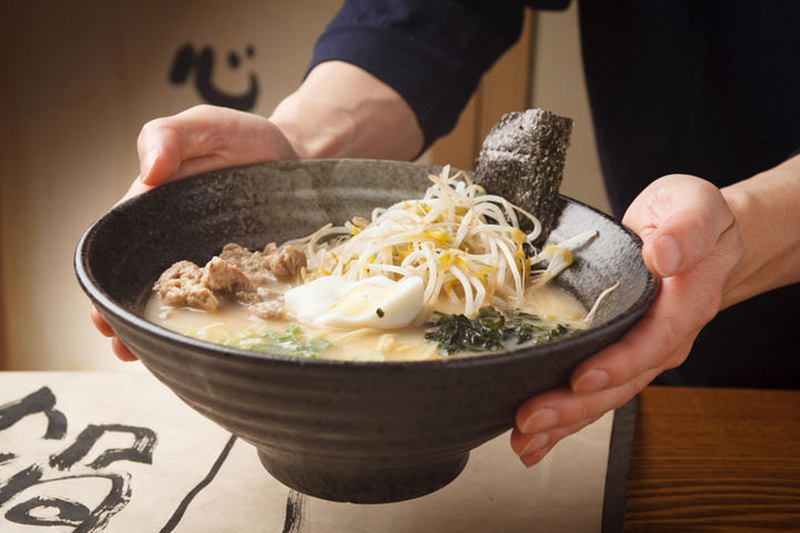
In every region and every remote island of Japan they are made the most varied soups, with a flavor that surprises locals and strangers.
Discover with us what it consists of an authentic traditional Japanese ramen, a bit of its history, and which ones are considered the best ramen soups in the country.
We analyze the types of traditional ramen, so that it is you who decides which ramen is richer once you try them all.
In this article you will find ...
What is ramen?
Ramen is a Japanese noodle dish, made in a meat and vegetable based broth slow cooking to obtain a very particular flavor.

Unlike the meat soups of other cultures and countries in the world, the typical Japanese ramen includes special ingredients that provide the base of the flavor, and garnishes that accompany the noodles as the following:
- Pork steaks
- Nori seaweed
- Boiled egg
- Fermented bamboo shoots
- Chives, among others.
Today is very easy make instant ramen in a few minutes, thanks to the preparations that mimic the flavor very well.

However, there is nothing like having a homemade ramen prepared after long cooking hours, and served with the key ingredients that round out the flavor.
Brief history of Japanese ramen
Japanese ramen noodles are well known around the world for being one of the most popular dishes of the gastronomy of Japan.
But the truth is that ramen soup as we know it today has Chinese origin, exported to the Japanese country after World War II.

The way to make this soup, through the cooking of veal bones to obtain a broth in which the thick pasta noodles are finally cooked, is typical of some areas of China.
In the same way that other dishes of Chinese gastronomy came to Japan hundreds of years ago, the traditional ramen became popular in the mid-20th century.
The origin of ramen was at first much simpler, with a little elaborate soup Taking advantage of the seasonal ingredients available.
Little by little the recipes were strengthened by adding vegetables, meat and fish, as well as the type of japanese pasta noodles traditional of the region.

Decades have taken decades to achieve the soup's unique flavor and consistency in which chefs who specialize in ramen they have managed to improve the recipe.
It is said that the first city in which the ramen recipe became popular it was Sapporo, spreading little by little throughout the rest of the country and the entire planet.
Typical ramen seasonings
In each place in Japan and each cook, he usually accompanies his soups with very varied ingredients.

However, among the ramen seasonings The most common include the following.
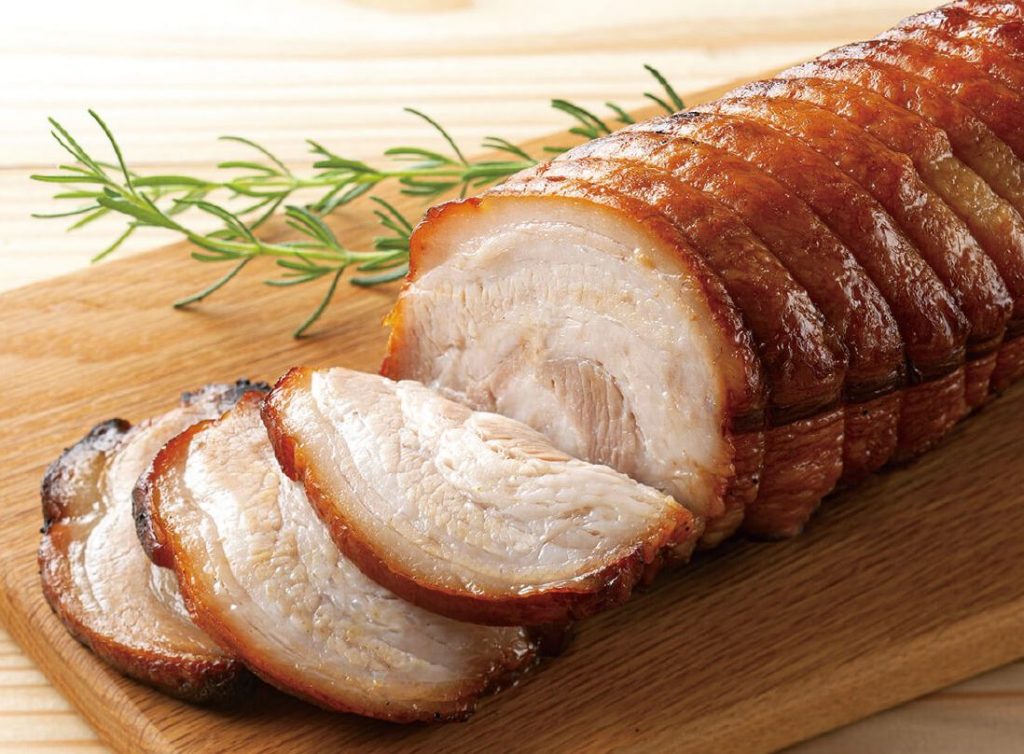
Char Siu (Chashu)
Roasted and sliced pork. This can be cooked in the same soup, slicing it before serving.
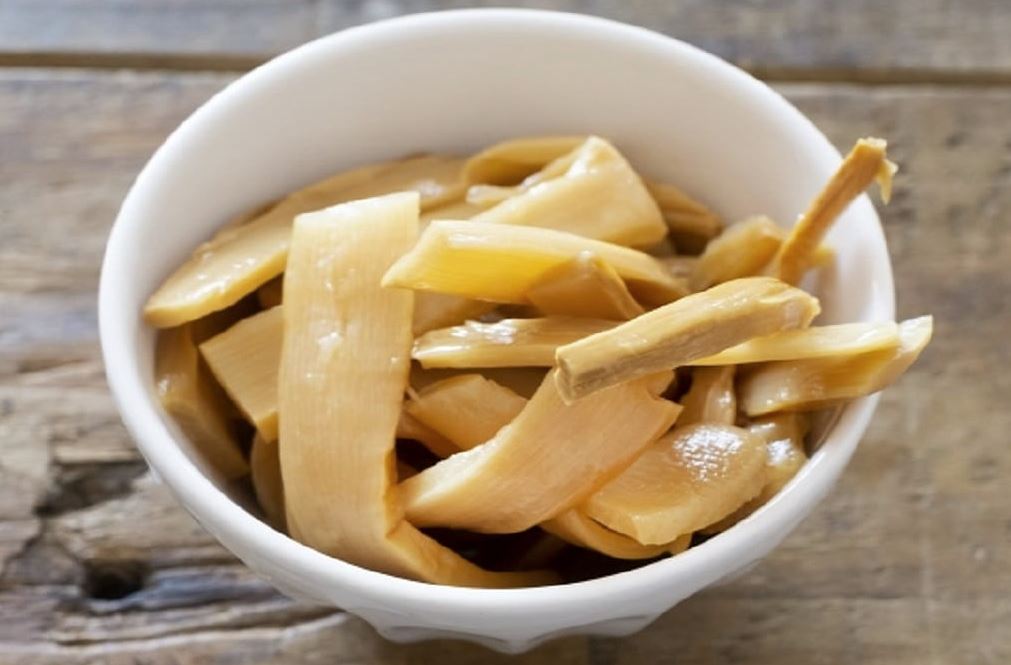
Menma (Shinachiku)
Sun dried bamboo shoots, which provide a crunchy texture to the ramen. It is always placed as a topping on top of the ingredients.
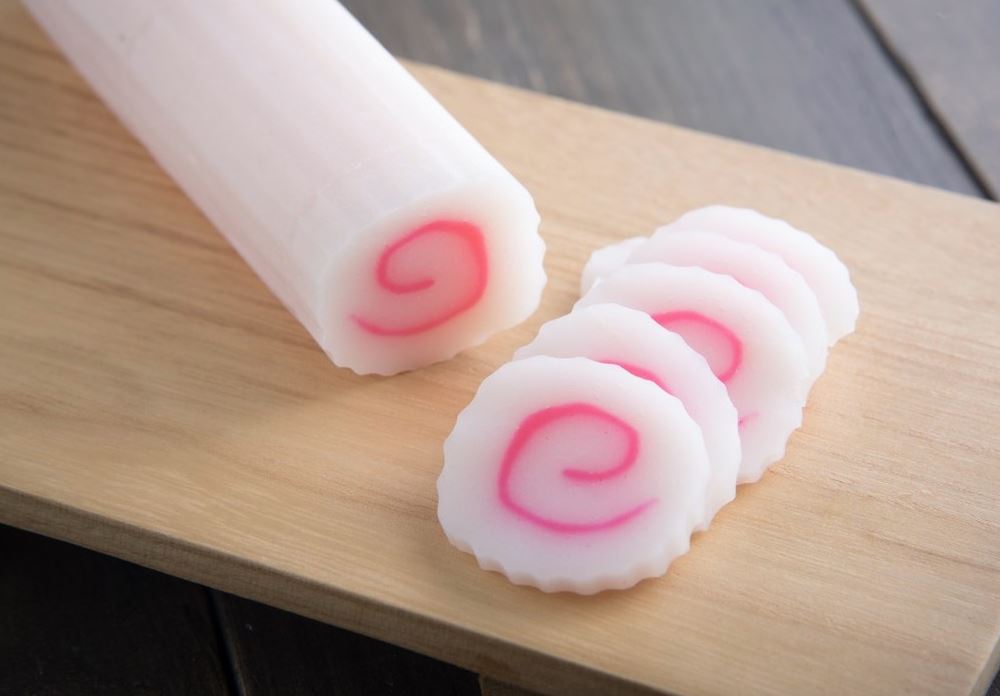
Naruto kamaboko
Fish flakes boiled to form a pasta that is sliced after. It usually has a characteristic striking white and pink color.
Negi
Another ingredient that can not be missing in ramen are the chopped green chives finely.

Moyashi
Fermented bean sprouts that are served directly raw on the soup to mix them before taking it.

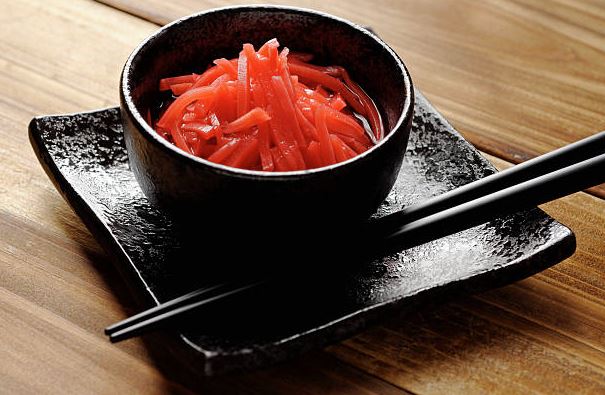
Beni shoga
Pickled ginger which is added in small amounts to counteract the flavors. It is very typical in tonkatsu ramen.
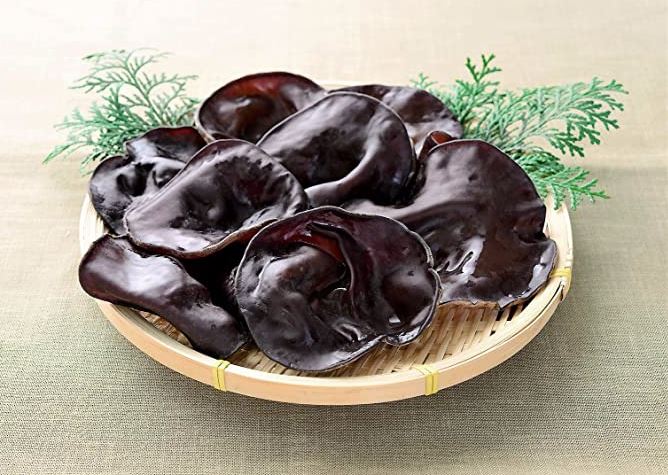
Kikurage
It is a kind of brown mushroom, very fine and rounded. They grow in spring and summer, although they are also sold dry the rest of the year.
In addition, it is also usually add wakame seaweed, sweet corn kernels, dried nori sheets and boiled egg, along with different sauces, oils and butters to add extra flavor to the soup.
What are the most famous types of ramen?
exist different types of ramen It varies by the basic flavor they have.

Known in Japan as 'task', this basic flavor is due to a special ingredient that is added in the preparation of the broth, which completely varies the final result.
The Most basic types of ramen in Japan These are 4 that we will discuss below.
Most popular ramen
Shio ramen
The shio ramen is a salt-based soup. It is the simplest, which follows the traditional way of elaboration from Chinese culture.
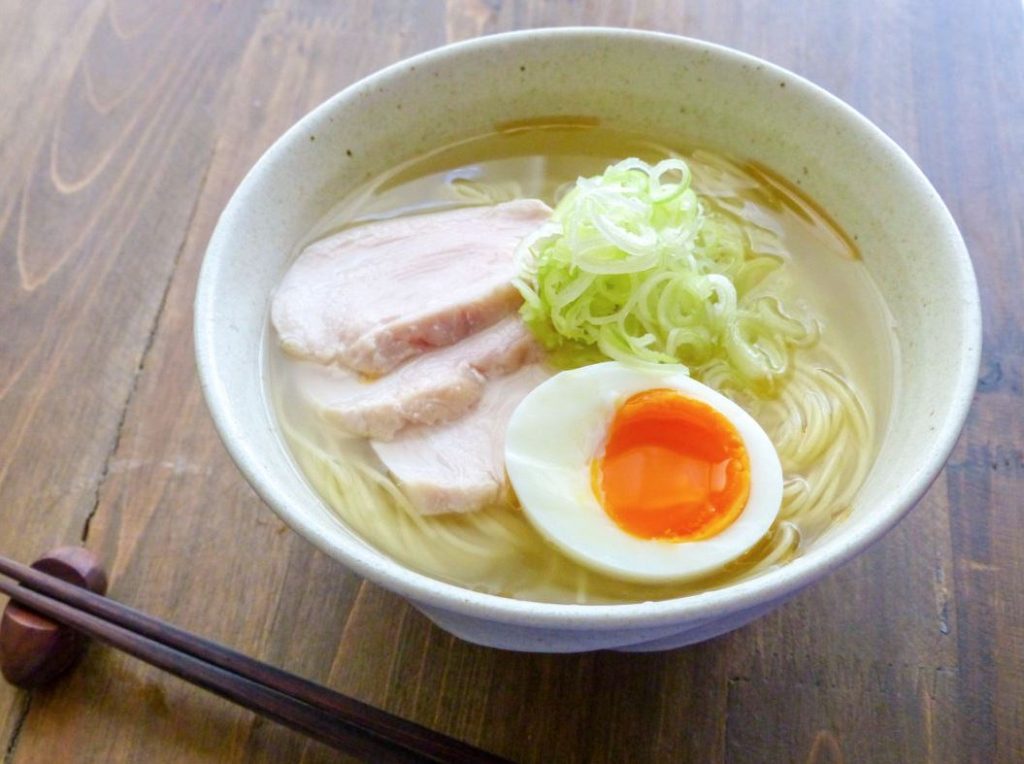
To do the shio ramen chicken broth, pork broth, or sometimes seafood broth is used. You get a lighter soup with a salty taste, clearer appearance, and lower fat and oil content.
Shoyu ramen o Soy Ramen
Shoyu means 'soy sauce' in Japanese. As you can imagine, the base used to flavor the broth is the classic soy sauce from Japan, obtaining a somewhat darker and cloudy broth.

This is the most common Japanese ramen in the country. It is said to have been invented in the 1910s in the Asakusa neighborhood, Tokyo, although its exact origin is not known.
Japanese chefs use a type of special preparation of soy sauce, mixing it with the base and then adding all kinds of secret ingredients.
Tonkotsu ramen
Tonkotsu's is one of the ramen popular favorites of Japanese soup lovers. He was born on the island of Kyushu, in Fukuka, but quickly spread throughout the country due to his success.

The tonkotsu ramen uses pork bones to make a creamy soup, viscous consistency and whitish taste.
For this you have to simmer the bones for hours, limiting this Japanese ramen to very few expert cooks who take the time to make it with care and patience.
Miso Ramen or Miso ramen
Something faster to make in miso ramen, to which a little bit of fermented soybean paste, or miso.
With a fattier consistency and powerful flavor, is the typical Hokkaido ramen, ideal to combat the cold.
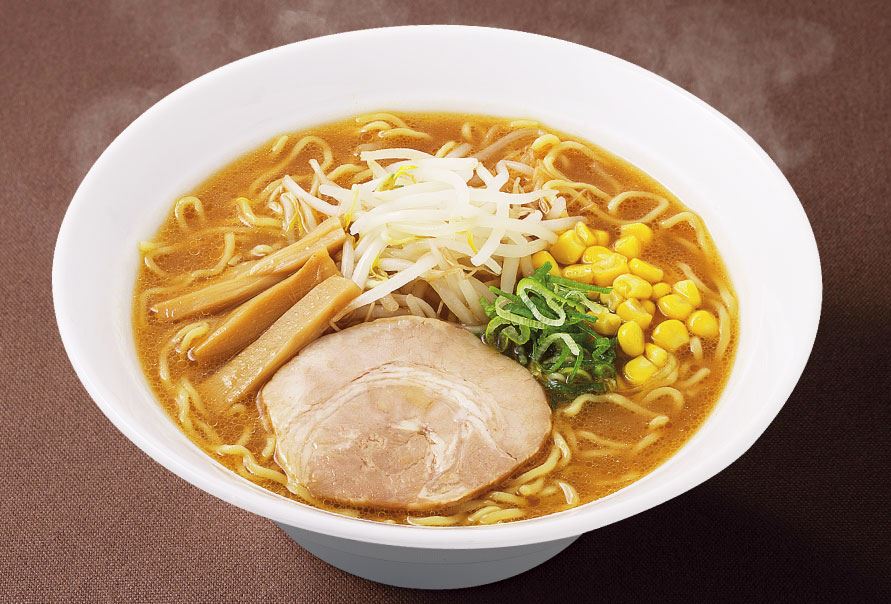
You will recognize it because the soup has a brown color, not as dark as soy ramen, and with the typical oil droplets floating on the surface.
It is usually accompanied by a generous amount of meat, and pasta for homemade ramen made up of thick noodles.
Other popular types of ramen
In addition to these base ingredients, there are other types of Japanese ramen according to the method of production, the accompaniments and even the presentation of the dish.
We are going to see some of the varieties that you should not miss from the most popular dish of Japanese cuisine.
Abura Soba
Also know as nun, tenukisoba, abu ramen or shitunashi ramen, It's about a brothless ramen in which the soba noodles are cooked in the soup, and then presented on the plate separately.

This soupless ramen garnished with sesame oil, Where does your name come from. Besides of open, which means 'oil' in Japanese, the noodles are presented with meat, boiled egg, seaweed, chives, corn and bean sprouts, in addition to other ingredients.
Tantanmen
This type of Japanese ramen looks a lot like noodles give give Chinese, from the Sichuan region. It is a quite spicy soup, to which is added ground pork and sesame oil.
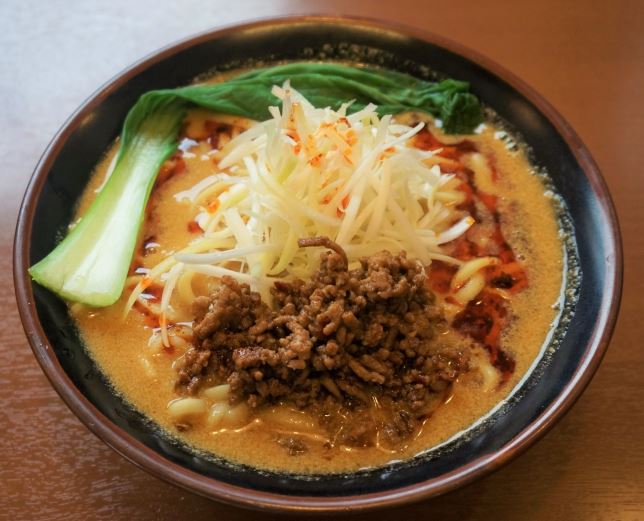
The soup for this dish is usually made with miso, although each cook has their own version of this tasty dish. The minced meat, seasoned and fried It gives it a unique flavor that perfectly blends Chinese and Japanese cuisine.
Ebi ramen
Meat is usually the main ingredient for making Japanese soup. However, there are other types of ramen with fish, among which the ebi ramen, made with shrimp and seafood broth.

Typical of coastal areas of Japan, in big cities like Tokyo, Kyoto or Osaka It is very common to find good places specializing in seafood ramen. To enhance its flavor, it is served with seaweed, naruto, and even tempura or prawns.
Toriktosu ramen
Similar to tonkotsu, this ramen is made with chicken bones for a lighter flavor and texture. The soup is simmered for hours, extracting the aroma little by little.
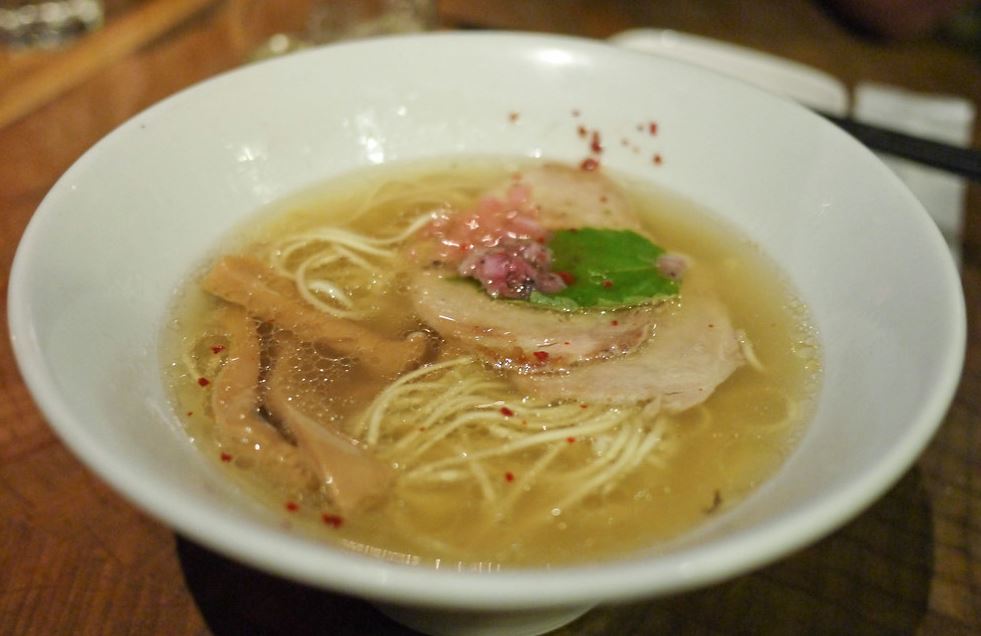
As it is a lighter soup, with less fat and oil content, the best accompaniment is whole wheat noodles, making it a very healthy dish but rich in flavor.
Yasai ramen
East vegetable ramen It is made exclusively with vegetables and mushrooms, without using meat or fish. The best alternative for vegans and vegetarians who want to enjoy the authentic taste of Japanese soup.

In Japan its consumption is spreading more and more among young people, who take it with shiitake mushrooms, cabbage, bean sprouts, broccoli, wakame seaweed, and tofu as the main protein source.
Tsukemen
Tsukemen differs from other Japanese ramen because the broth is served separate from the noodles.
The name of this dish means 'wet the noodles' in Japanese, so you can easily get an idea of a peculiar way of taking them at the table.

The broth has a strong and dense flavor, so the diner can decide the size of the noodle portion according to how hungry he is at the time.
With both plates in front, the noodles are dipped in the hot or cold sauce, to take them next and repeat in the case of not having been completely satiated.
Hiyashi chuka
Although it is not a ramen as such, this cold noodle salad It is considered within Japanese gastronomy as one more type of ramen.
After cooking the noodles in the soup, they are served with other ingredients dressing with sauce like a salad.

This cold ramen is very appetizing in summer, when eaten in colorful dishes with carrot, tomato, cucumber, seaweed, pickled ginger and strips of chicken or pork.
The favorite sauce is task, with rice vinegar, soy sauce, sugar, sesame oil and sesame seeds.
Regional types of ramen
Every prefecture of Japan has its own unique way of making ramen soup.
Depending on the location, the ingredients that are most available, or the simple preferences of its inhabitants, among the regional varieties of ramen these stand out:
Sapporo ramen
With a base of miso soup, the Typical Sapporo ramen is characterized by a thick soup served with homemade noodles, roasted chashu pork and bamboo shoots.
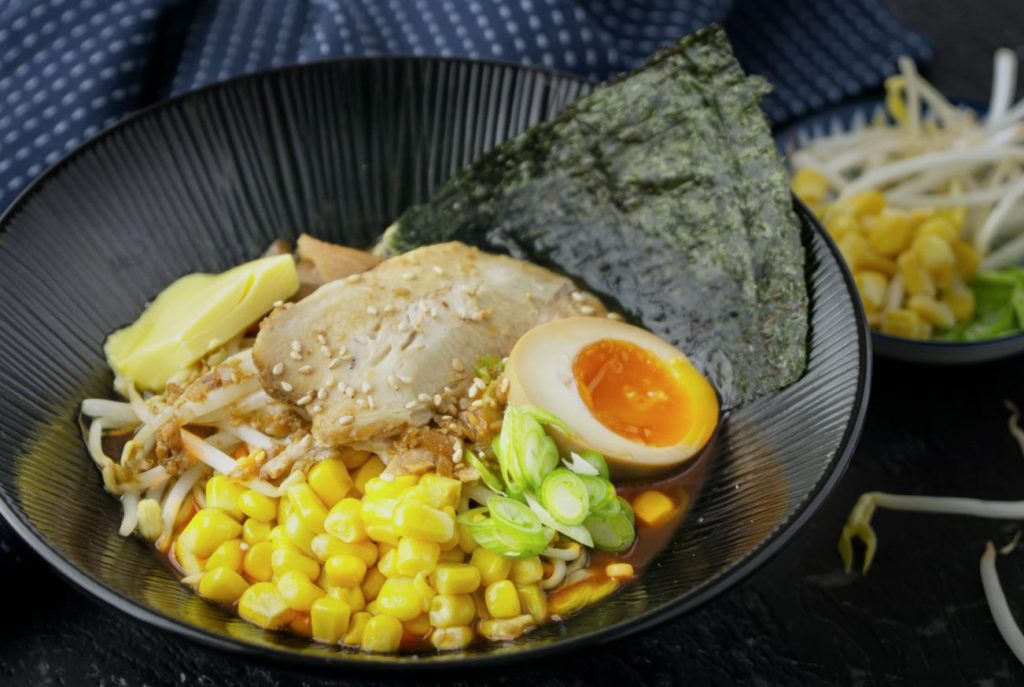
The best area to try it is in the ramen alleys of Sapporo: Goose Ramen Yokocho and Shin Ramen Yokocho.
Hakata Ramen
The present city of Fukuoka, formerly known as Hakata, has a very particular way of preparing ramen.

Made with pork bones boiled at high temperature, the broth is a mixture of shellfish with the collagen released from the bones.
Is served with very thin noodles, roast pork slices and lots of chopped chives.
Kitakata Ramen
North of Kukoka we find the Kitakata region, a specialist in making extra thick egg noodle ramen.

The soup is soy-based, garnished with pork chashu, naruto, bamboo shoots and a boiled egg. Simple but delicious!
Wakayama Ramen (Kyushu Ramen)
Also known as Kyushu Ramen, the typical noodles of Wakayama prefecture have a very marked chinese style.
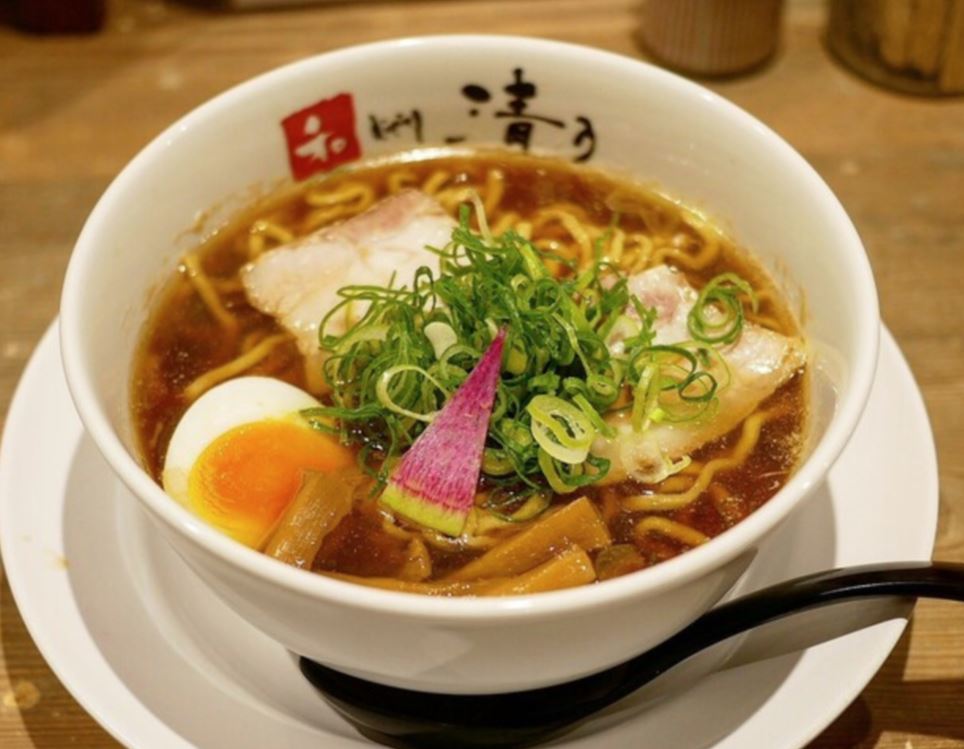
Mix soup to soy base with pork bone broth, obtaining a very unique dark color.
The presentation is simple and generous, with extra meat, thin and consistent noodles, egg and lots of chives.
Onomichi Ramen
Near the city of Hiroshima is Onomichi. Due to its location in the heart of the Seto inland sea, the way to prepare ramen is with a fish-based broth.
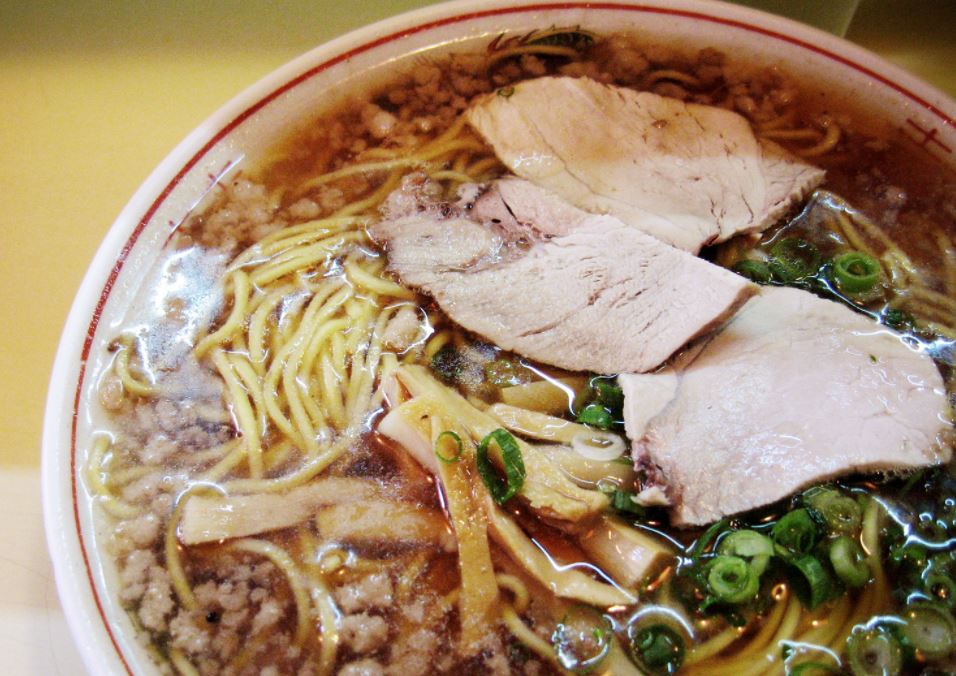
This is combined with chicken and pork bones, served with assorted meat and seafood.
Nagoya Taiwan Ramen
Inspired by Taiwanese cuisine, the typical Nagoya ramen was popularized by a Taiwanese chef presenting his soup with broth shoyu and ground pork.
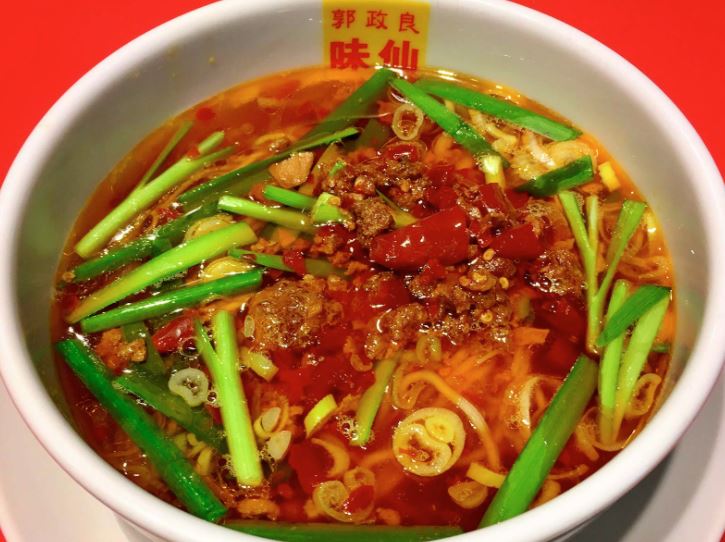
Presents a spicy taste, which counteracts with the rest of the ingredients such as the smooth broth and the juicy noodles.
Asahikawa Ramen
In Asahikawa the star dish is a broth with base of shoyu slightly oilier.
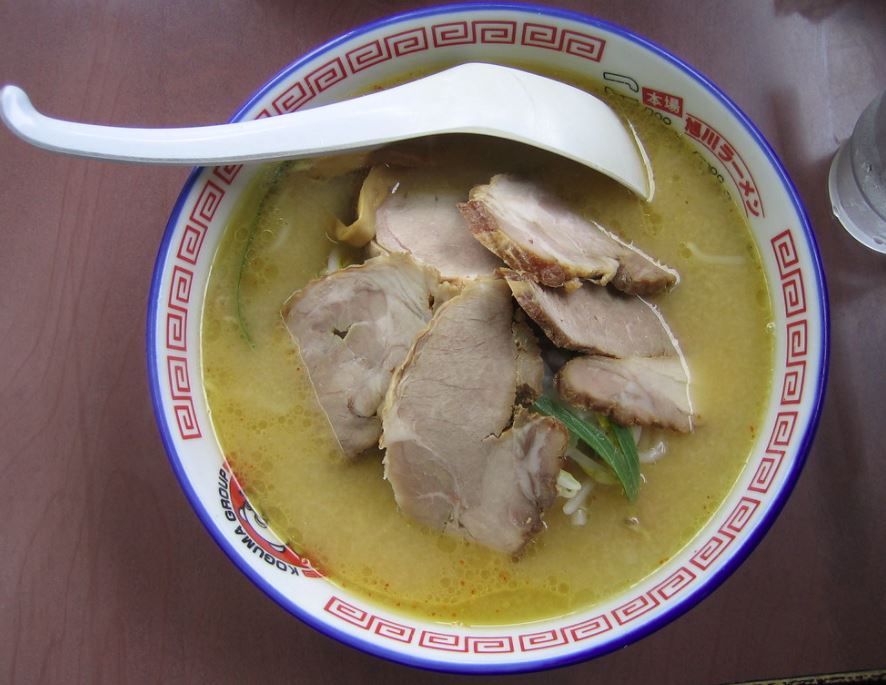
Along with this soy sauce soup are served some thin, hard, wavy instant noodles, in addition to the star ingredients.
Okinawa Soba
In the distant islands of the kingdom of Ryuku They make a ramen with thicker soba noodles.
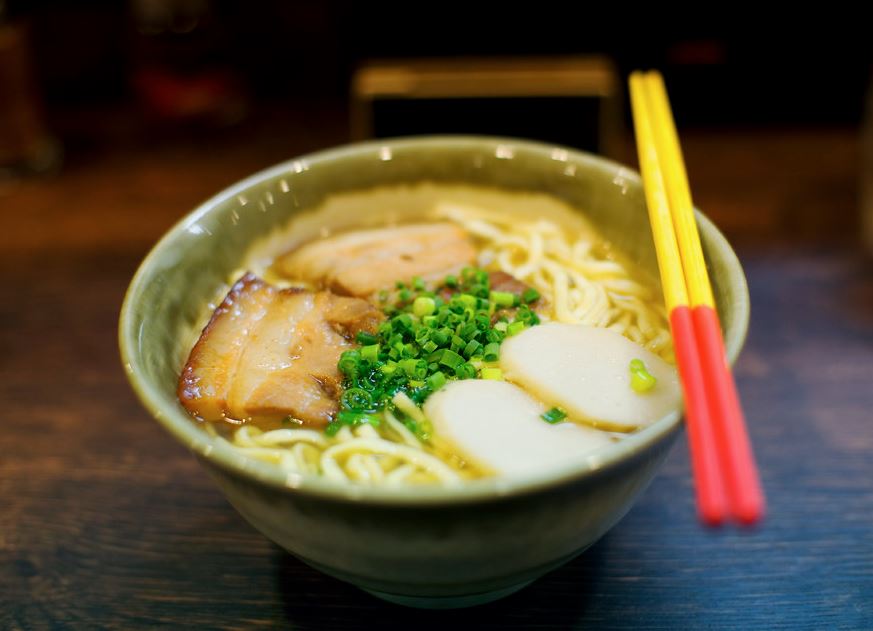
The broth is made with pork, but to give it a more island touch, it is presented with seaweed and bonito flakes that go perfectly with the ribs and the pig's trotters in the soup.
Hakodate Ramen
In the city of Hakodate in Hokkaido, they prefer a softer broth style shio salt-based.
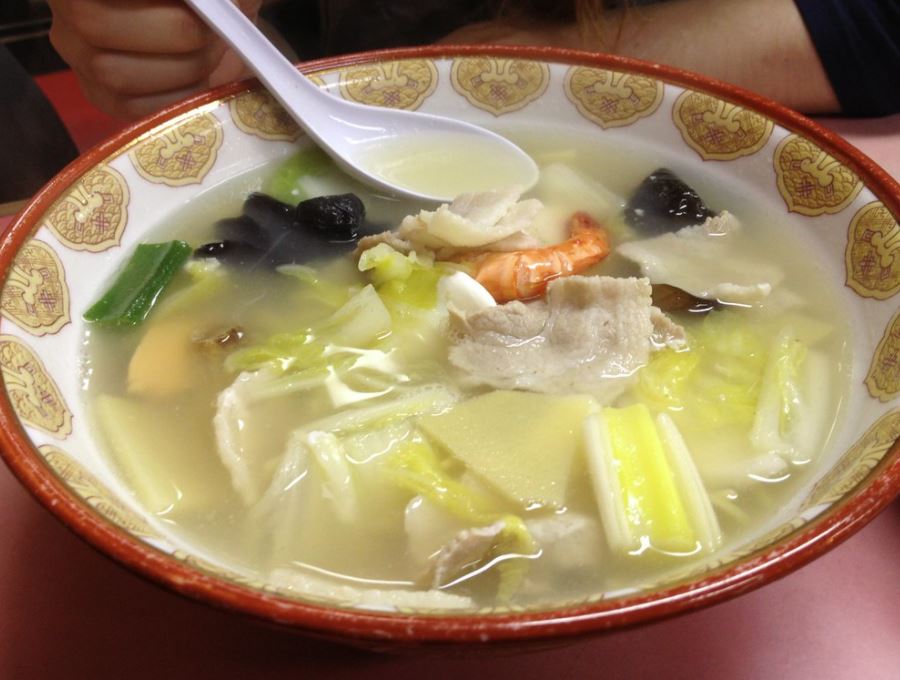
This clearer soup made with chicken, pork, seafood and seaweed It is much lighter and healthier, but it helps you warm up quickly in winter.
Kurume Ramen
Typical of the city of Kurume, this variety of ramen resembles the kyushu ramen, made with a dense tonkotsu pork bone broth.

The difference is that the cooking time is somewhat longer, for which a soup with a stronger flavor and whitish color is obtained, with a high collagen content.
Nagasaki Champon
In Nagasaki, a type of soup called champon, which isn't exactly ramen, but it looks a lot like it.

This dish from the region it is done in a few minutes with egg noodles cooked in the soup along with vegetables, meat and seafood. Being fast and inexpensive, it is very popular with students.
Kagoshima ramen
Within the Kyushu region, the Kagoshima broth is the softest and lightest.

It consists of a cloudy soup that is made with pork bones, chicken meat and vegetables, served with dried mushrooms and sardines along with other plant ingredients.
Where to eat the best ramen in Japan?
Whatever kind of variety of ramen you are looking for, hands down the best place in Japan to take it is tokyo city.

In the Japanese capital it is possible to find the best traditional ramen restaurants, with extraordinary quality and affordable prices.
Don't you know where taste a delicious traditional ramen in Tokyo? Discover in our Alternative Japan blog which are our favorite restaurants, recommended by other travelers and by local Japanese:
If you also want to learn to make the typical ramen recipe at home, we tell you what are the steps to follow to continue tasting the authentic Japanese flavor wherever you go:
Adapt the ingredients and the way of elaboration of the different types of ramen to your recipe, and make your best version of this typical Japanese dish. To lick your fingers!


Passionate about travel and completely in love with Japan. Never has a country conquered me so much. Join our group of Backpackers in Japan on Facebook or our whatsapp group and interact with other travelers. Get the best discounts and bargains in groups! Do you have any question? Enter the groups and solve your doubts with other users 🙂
👇 Can you help us keep alive Alternative Japan? Thanks a lot! 👇

🎌 Do you want the best organized trip to Japan in Spanish? The best value for money and with Spanish guides who live in Japan 🙂
✅ Upcoming departures: 2022
🏯 Fixed itineraries, tailor-made, excursions and much more. Request information clicking here 👌
Leave a Reply