
Omamori amulets; Lucky charms

In each country they have their own superstitions, and Japan was not going to be less. With a strong tradition behind it, omamori amulets are still used today to attract good luck and have a nice gesture with friends and family.
Spread throughout the geography of the Japanese country, in each city, temple or sanctuary they have their own good luck talismans or gimmick.
However, there are some very common japanese amulets, whose meaning changes according to the color, the decorations, and the secrets they keep inside.
Discover with this complete guide where to buy omamori charms in Japan, the meaning of each one, and a complete user manual for your talisman to take effect.
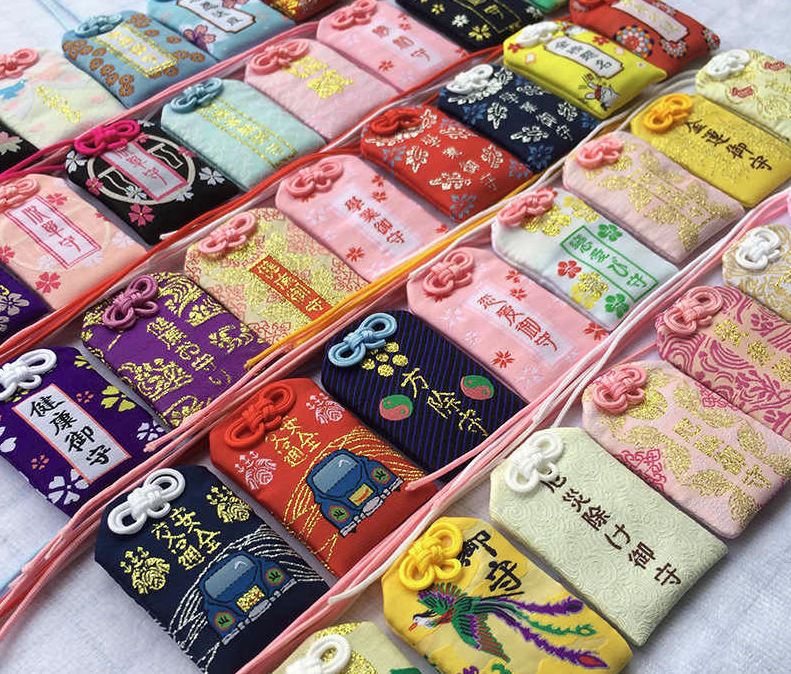
And take advantage of your trip to the Japanese country to bring good fortune with you through a nice souvenir. Take note!
In this article you will find ...
What is an omamori?
An omamori is a Japanese good luck charm. It consists of a small cloth bag, very varied colors and drawings, and a sacred inscription inside.
They are usually sold in Shinto shrines and Buddhist temples from all over Japan.

There are also charms typical of each region, for sale in specialized souvenir shops, such as the 100 yen storesand even at gift stands at matsuri festivals that take place throughout the year.
This type of amulet was introduced to Japan thousands of years ago through buddhist religion.

However, nowadays they are acquired regardless of anyone's religious beliefs, which is why both Japanese and foreigners love to take one as a nice souvenir of a visit.
'Omamori' means in Japanese 'to protect', this being the main thrust of this protective talisman.
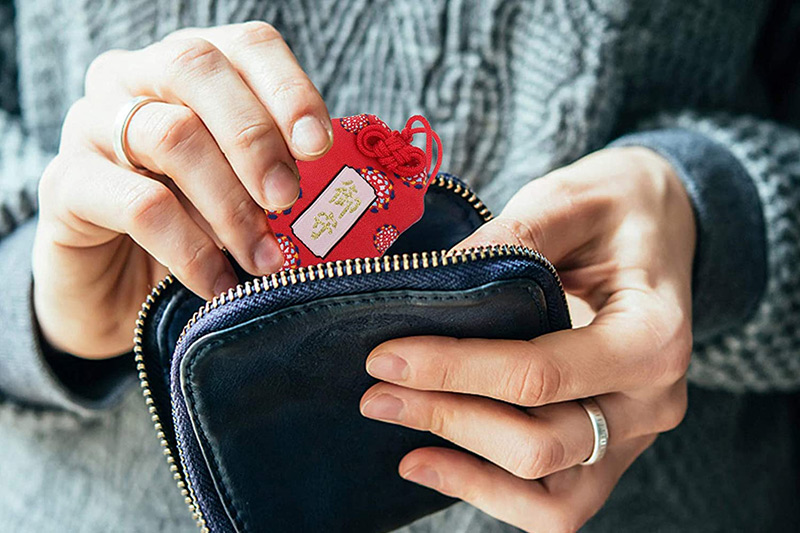
Depending on the type of prayer the omamori contains, it will have one meaning or another to find good fortune in different areas of life.
As we saw in our blog, omamori amulets are one of the most original japanese gifts to give as a gift to your loved ones or to bring you a nice memory of your trip to Japan.
Types of Japanese omamori
Although each Japanese temple or Shinto shrine may have its own good luck charms, there are some very popular omamoris found in most sites.
Don't get carried away just by the pretty colors or designs of the omamori charms. Each color serves a different thing, so if what you want is to call for love, health or financial success, you must know how to choose well.
Katsumori
The katsumori is the most typical japanese amulet, found in most temples and shrines.
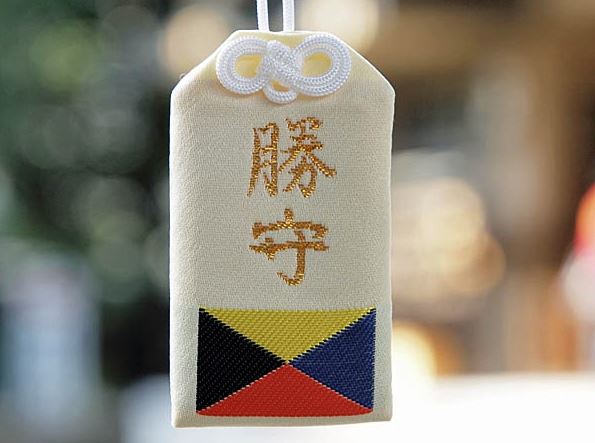
It's about a talisman of great power that attracts success for any type of adversity you may face.
Kaiun
Another of the most typical talismans, it is an amulet to always have close and call good luck.

In each sanctuary or temple they have your own designs to wear as a nice souvenir.
Yakuyoke
If you think that bad fortune accompanies you in your life and you want protect you from her, the yakuyoke It is the protective amulet that you need to have by your side.
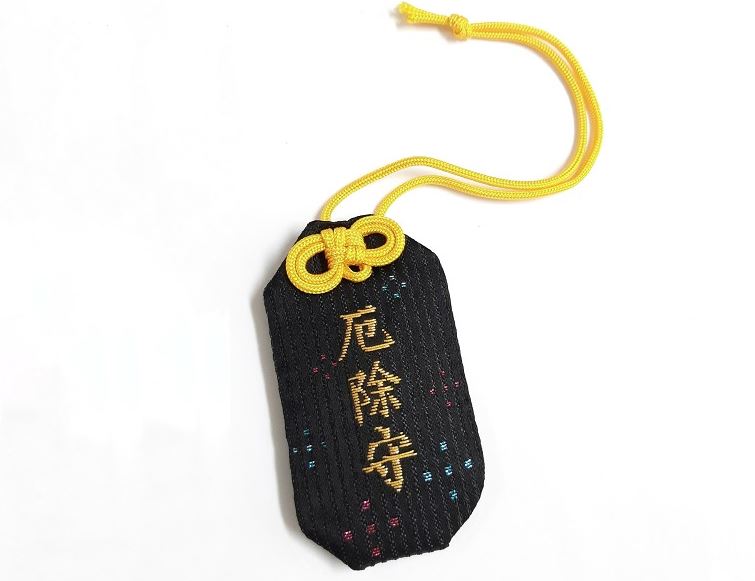
Get rid of envy, bad energy, and protects you from any evil to continue your path focusing on your goal.
Shoubai-hanjou
The shoubai-hanjou It is another of the Japanese lucky charms most wanted.
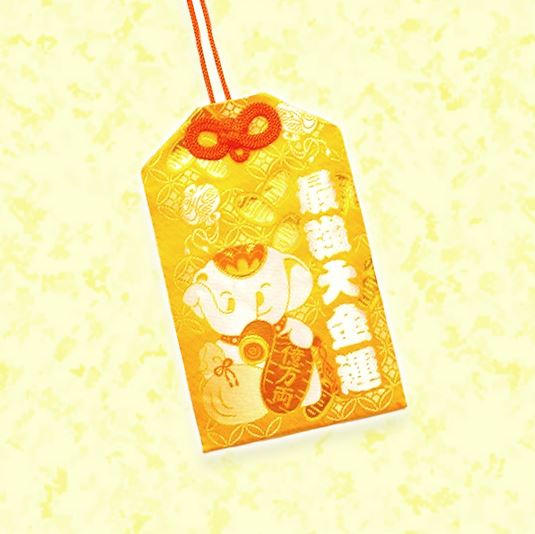
Call money, to prosperity in business or luck in new business projects. It is usually represented with a yellow money bag.
Koutsu-anzen
The omamoris are lucky objects that are often seen hanging in the rear view mirror of all japanese taxis.
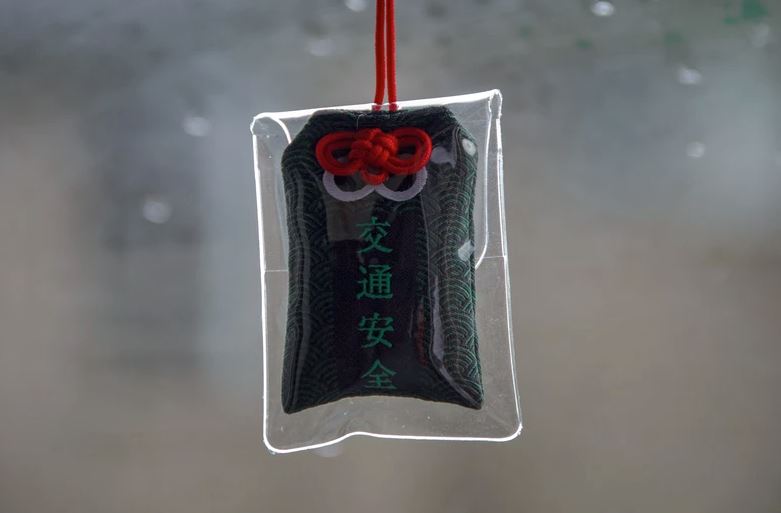
Drivers specifically often look for the koutsu-anzen, the charms for road safety, easily recognizable by the drawing of a vehicle on the amulet itself.
Shiawase
The meaning of this amulet is quite general, as it is simply call to happiness.

But if you already believe that you have a full life and want to keep happiness by your side, it is perfect to buy for yourself or for your loved ones.
Kenkou
Something more difficult to find in the typical omamori stalls of the shrines is the kenkou, the health charm.
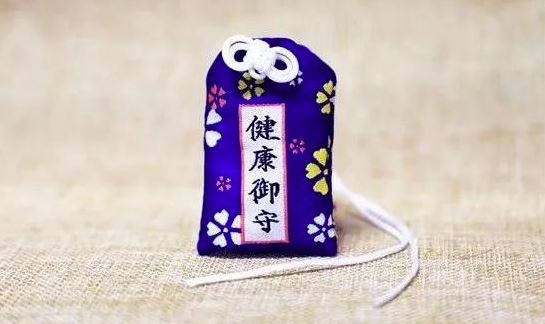
It is usually very popular at fertility festivals such as the Kanamara matsuri held in April.
Byoki-keyu
The byoki-keyu instead it is a gift that is usually made to a sick person to wish him a speedy recovery.
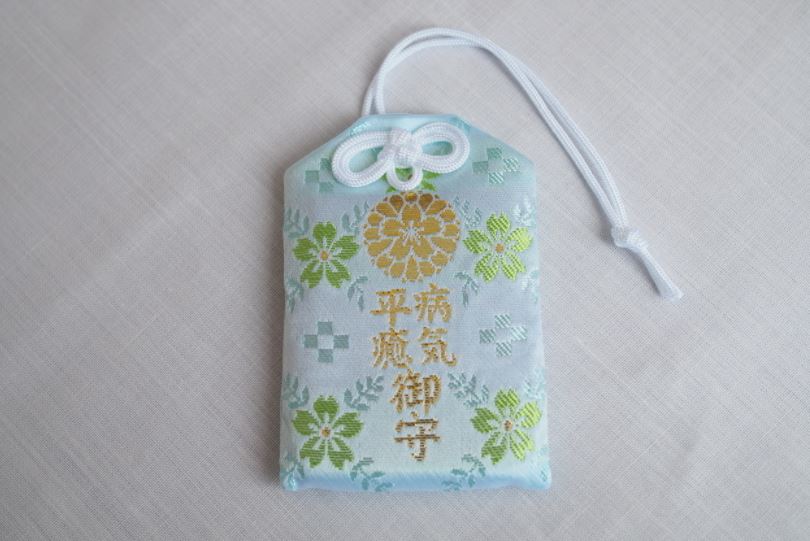
Be careful not to confuse it with other types of omamori.
Enmusubi
Represented in many different shapes and colors, the enmusubi is he talisman for love and partner.

It usually takes so much to find your better half, as if to protect a marriage by keeping the spark of love always burning.
Gakugyou-jouju
A must for any student, the gakugyou-joiju is he talisman for academic achievement.
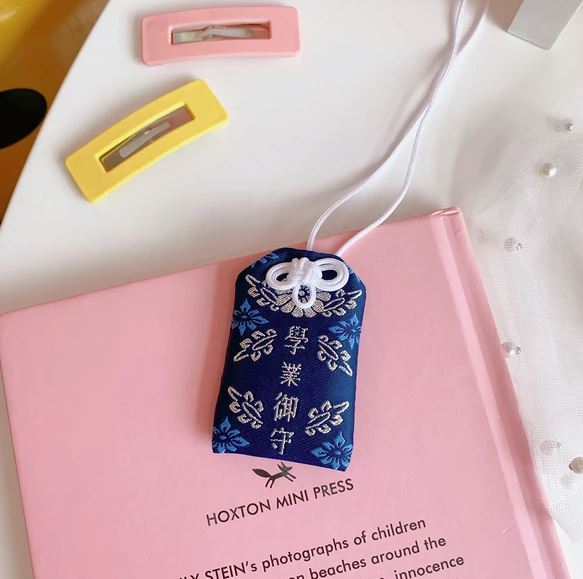
Boys usually wear them hanging from their School backpacks together with his school uniform, or kept in your pocket to pass exams.
Kanai-anzen
For the family protection is the kanai-anzen, a very curious omamori.

This talisman keeps the family together and protected the children while they are still living at home or during the difficult stage of the emancipation of the young.
Anzan kigan
Anzan Kigan is an amulet that ensures a healthy pregnancy and safe delivery.

Many future moms receive it from their relatives. For good luck you have to place it close to the belly.
Other omamori amulets
In addition to these more typical omamori amulets, there are others less common that vary according to where they are.
exist charms for sports, for those who are afraid of flying, to attract customers in a business, even a talisman of special beauty for young women.

A Japanese omamori amulet does not always have the typical cloth bag shape. They can also be presented in the form of a pendant or keychain, or as a small wooden or ceramic figure.
Good luck cats, Daruma dolls or wallet charms by Kitsune are some examples of typical Japanese charms to attract good luck or achieve goals.
Where to buy omamori amulets?
Omamori amulets can be purchased at any Buddhist temple or Shinto shrine from Japan. These are for sale in small stalls inside the enclosure or at the exit.
With a price between ¥ 300 and ¥ 1000 per charm, sometimes they are in sets of two according to their function.
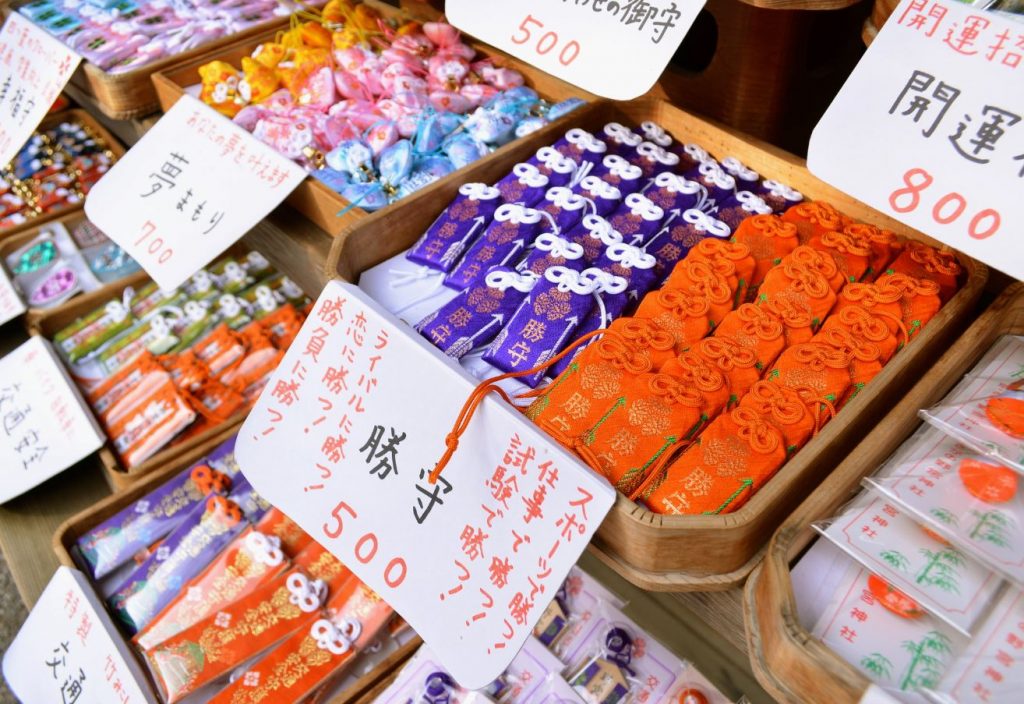
Some types of omamori are only for sale at specific times of the year or due to an important celebration. It is common to find them in festivals and celebrations, in dozens of street stalls and markets.
If during your trip to Japan you did not have the opportunity to get an omamori for good luck, today can be purchased online.
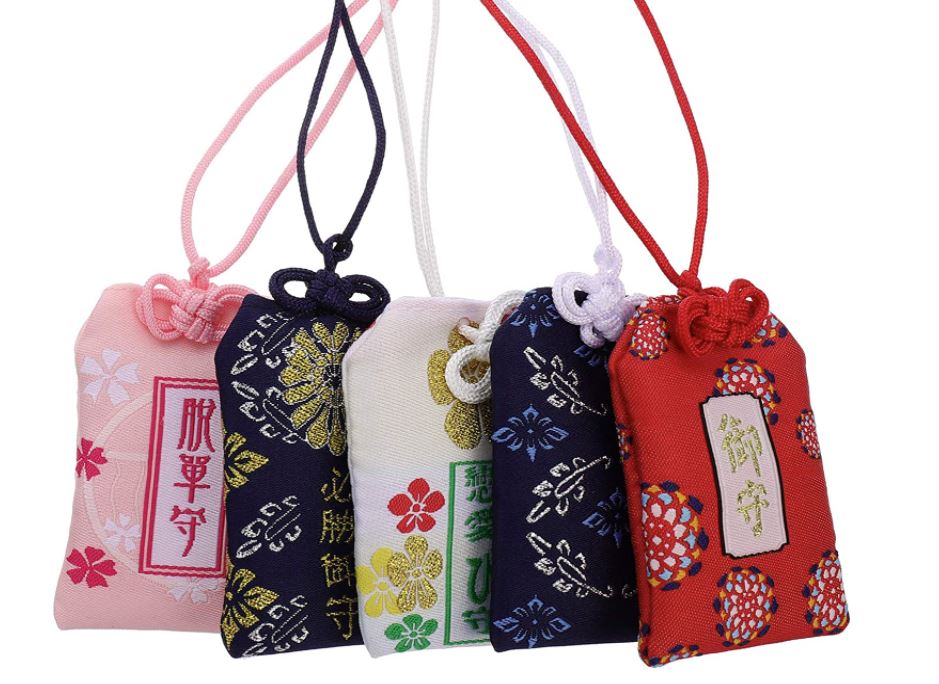
Buy Omamoris
In the Amazon's online sales platform You have a large selection of the most traditional types of omamori, which you can purchase individually or in packs of several units.
You can also find them in pages like Aliexpress, but shipping usually takes between 15 and 30 days to your destination.
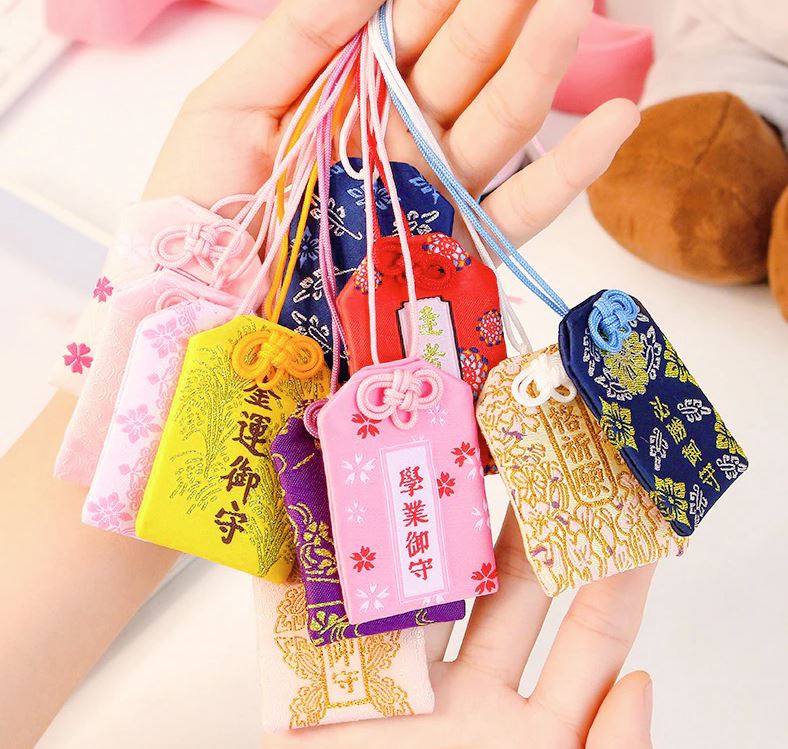
Buy Omamoris
If you don't mind waiting, on Aliexpress you will find cheap omamoris And good quality.
Manual of use of the omamori amulets
As the Japanese say, when you don't know which omamori to choose, let your instinct carry you. These amulets they call you when you need them most, making your intuition make you choose the most appropriate to guide your way.
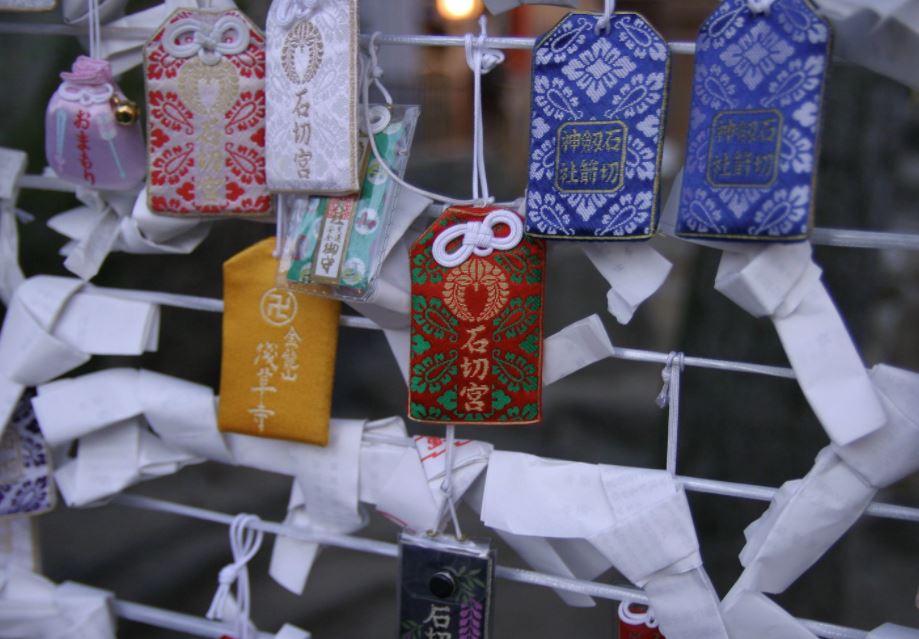
However, the use of the omamoris is practically unknown to westerners. What do I have to do with the talisman so that good luck be with me? Where do you put it? How long should you accompany me? We solve all your doubts.
Where to keep Japanese good luck charms?
The omamori is an amulet for always carry. That is why they are so small and light, so that you can carry it without noticing it.
Depending on the type of amulet, to call good luck with money and business, it is preferable carry it in your wallet, while students usually hang it in the backpack or kept in the pencil case.

For the protection of home and family, the Japanese usually place it in a special corner of the house. If you are looking for pregnancy, or to call for good health, it is better to place it Under the pillow, the futon or the mattress.
Do you want to find the love of your life? Always carry it with you in the pocket of your pants or your jacket, and you will see how it works its magic. If you need protection on the road, wear it hanging in the car mirror or stored in the glove compartment.
Can I carry more than one omamori?
Of course yes! Hailing luck in different areas of life is not incompatible. If you need a little help or protection for various things, you can carry as many omamori charms as you need.
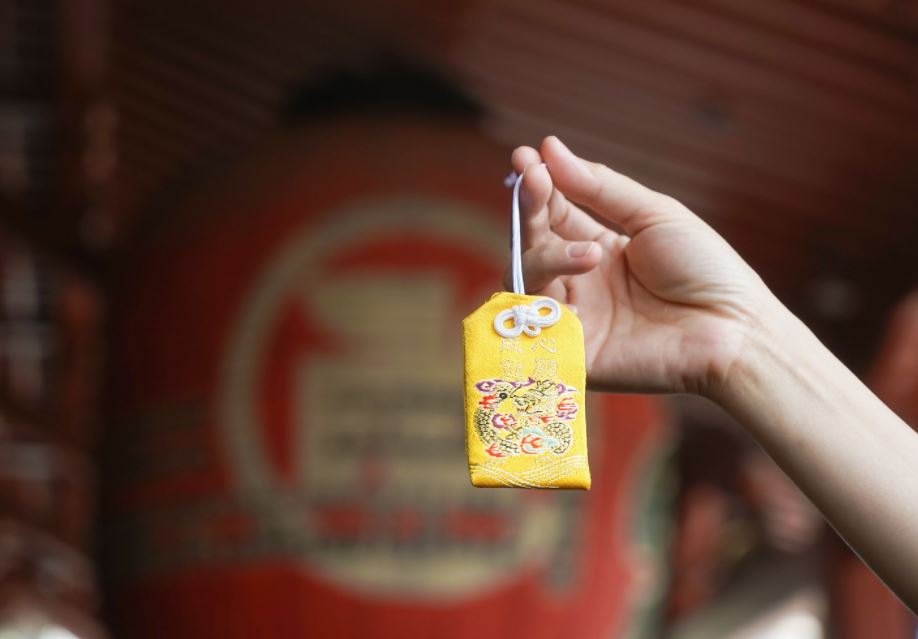
The omamori can also be worn with other religious objects such as rosaries and good luck charms. Keep them stored in a safe place and they will give you the protection you need.
Of course, the Japanese monks recommend do not make excessive use of these talismans. Don't try to hoard all the luck for yourself, as you could take a bit of the magic out of it. Better focus on what you need or want the most, and the amulet will guide you to achieve your goal.
How long should an omamori be kept?
Many Japanese families keep omamori amulets that are hundreds of years old. There are relics that have passed from generation to generation to bring luck to all the members, keeping it as a very nice detail.
On the other hand, there are also those who think that omamoris have an expiration date. Some are usually discarded when they have already fulfilled their function, for example finding a partner or passing an important exam, and others are returned to the temple where they were acquired about a year later.
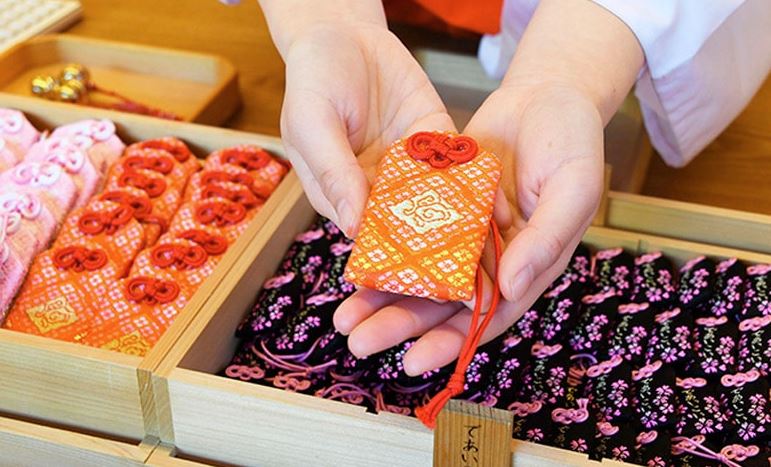
Charms are usually changed every year or if they have deteriorated. Don't throw an omamori in the trash. The appropriate thing is to take it to a temple or sanctuary, preferably to the same one where it was purchased, to leave them in a special deposit and burn them at New Years celebrations.
Every year, in all the temples and shrines of Japan there is a ceremony called o-takiage in which the omamoris and other returned items are purified, thus ending the bad luck that they have accumulated during their use.
What care does an omamori need?
It is normal that these types of charms tend to deteriorate with daily use. There is a belief that the wear and tear of the omamori is due to the protection they exert, and it is something very normal.
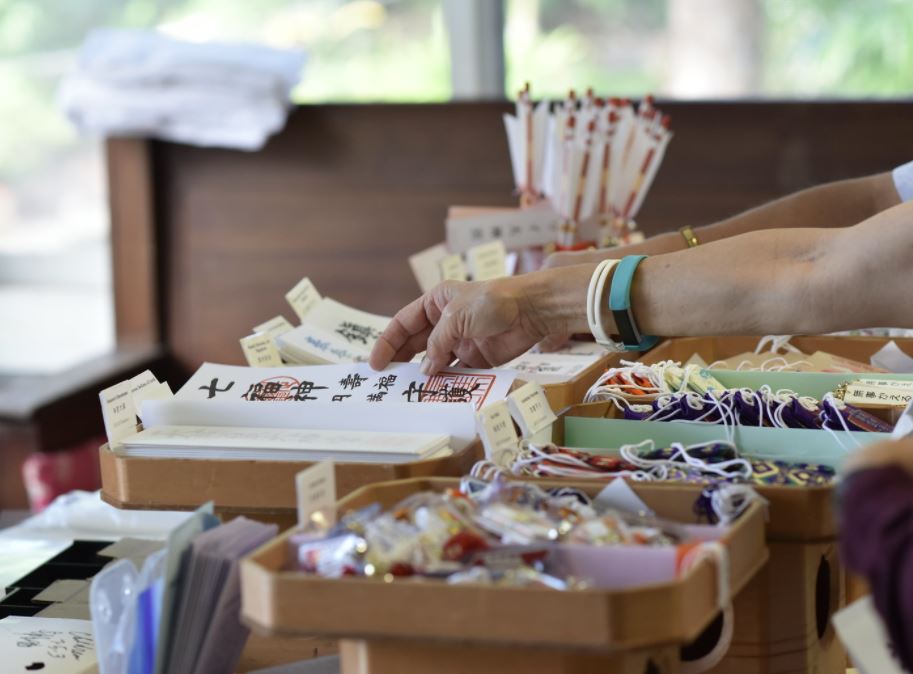
If you take your amulet with you and it gets dirty, don't try to wash itas it will lose all its power. When you wear it hanging and the rope breaks, just move it around and keep using it, or leave it at home stored in a drawer.
Make sure it stains or breaks as little as possible. A good option is to take it inside a plastic sleeve. But if it gets dirty, don't worry. It is a sign that it is protecting you, accumulating all the bad vibes that are around you.
What is inside an omamori?
Something that should never be done, no matter how curious you are, is to open the omamori to see what is inside. If the interior is exposed to the exterior, protection is lost and it would be necessary to go quickly to buy another similar omamori.

Inside the Japanese amulets there is a small paper containing a prayer. This varies according to the type of protection that the amulet exercises.
Traditionally, omamori amulets were made by hand by a miko, or japanese priestess. But today they are made in factories, then blessed in the temple or sanctuary and put up for sale.
Since they are sacred objects, omamori amulets should be treated with great respect to receive from them the luck and protection expected. And you, do you have any omamori at home?


Passionate about travel and completely in love with Japan. Never has a country conquered me so much. Join our group of Backpackers in Japan on Facebook or our whatsapp group and interact with other travelers. Get the best discounts and bargains in groups! Do you have any question? Enter the groups and solve your doubts with other users 🙂
👇 Can you help us keep alive Alternative Japan? Thank you! 👇

🎌 Do you want the best organized trip to Japan in Spanish? The best value for money and with Spanish guides who live in Japan 🙂
✅ Upcoming departures: 2022
🏯 Fixed itineraries, tailor-made, excursions and much more. Request information clicking here 👌
Leave a Reply