
The 7 Differences Between Type 1 And Type 2 Diabetes (Explained)
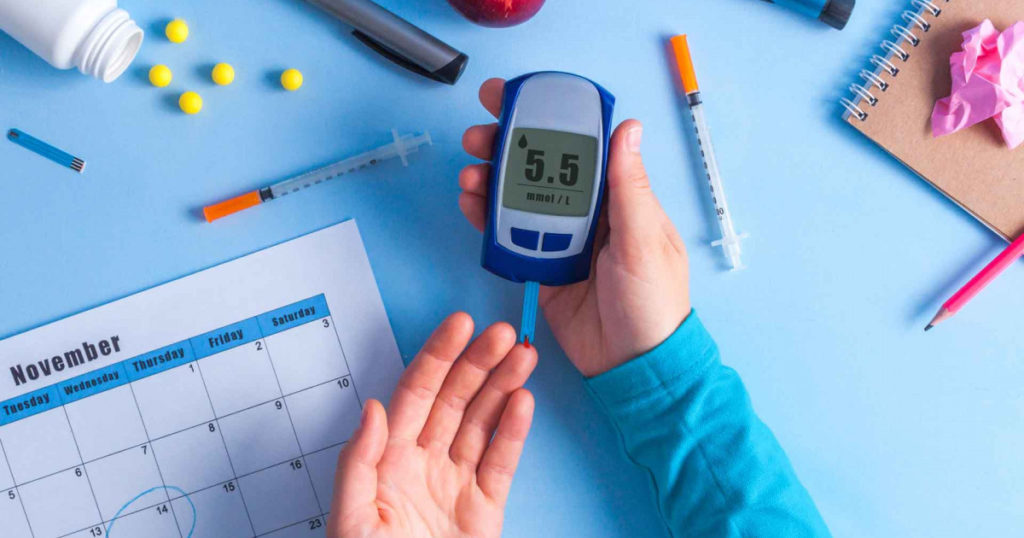
Many experts consider this disease as a serious global problem whose incidence in the world is only going to increase. And it is that although the figures are surprising, it is estimated that about 400 million people in the world suffer from diabetes, a chronic, incurable and life-threatening disease that requires lifelong treatment.
A severe endocrine pathology in which, for various reasons, the levels of sugar (glucose) in the bloodstream are too high. The body, therefore, suffers from hyperglycemia that, in the medium and long term, puts the patient at a very high risk of developing serious complications such as heart disease, depression, cerebrovascular accidents, kidney damage, neurological problems and other disorders that cause, of the diabetes, a deadly disease.
Even so, the positive part is that Medicine has progressed a lot and we have developed treatments (and prevention strategies, when possible) to ensure that diabetes patients, although they will always have a shorter life expectancy (of about 6 years less) than that of a person without the disease, they can live a life that, even being determined by adherence to said treatment, can be almost normal.
But to get to this point where diabetes is a treatable disease (which does not mean that it is curable), we have had to know its nature, discovering that there are two perfectly different modalities of the disease: type 1 and type 2. And in today's article and in the hands of the most prestigious scientific publications, we will analyze the main differences between them.
What is type 1 diabetes? What about type 2 diabetes?
Before we begin, we want to note that this article will be based on the key differences between the modalities. If you want to know the generalities of diabetes, as well as its symptoms and complications, we have given you access to an article where we address the pathology globally.
With that said, let's start with the topic that brings us together here today. And to get into context and understand both their similarities and differences, it is interesting (and important) that we define both modalities of diabetes individually. So let's see what is type 1 and type 2 diabetes.
Type 1 diabetes: what is it?
Type 1 diabetes is the form of this endocrine disease that develops due to an autoimmune disorder that causes not enough insulin to be produced, the hormone produced by the pancreas and that, under normal conditions, is released in just the right amounts when it detects that blood glucose levels are too high.
This insulin, once it is in the bloodstream, captures the sugar molecules with which it is found and mobilizes them to places where they cause less damage (glucose cannot be free in the blood), which is achieved by converting sugar in fat, thus giving rise to adipose tissue. But this is under normal conditions.
In a person with type 1 diabetes, due to a genetic error, the cells of the immune system attack the cells of the pancreas responsible for producing insulin. This causes a deficiency of this hormone and the innate inability to regulate blood glucose levels. The causes behind this autoimmune attack are unknown, but genetics are clearly known to be the main risk factor.
The disease tends to express itself before the age of 30 and, being of genetic origin, it is not possible to prevent its appearance. The pathology does not remit and requires lifelong treatment with the well-known daily insulin injections that allow them to keep track of their blood glucose levels. Thus, type 1 diabetes is not dependent on lifestyle. It is a pathology with which we are born, it takes more or less time to express itself.
Type 2 diabetes: what is it?
Type 2 diabetes is the form of this endocrine disease that develops when, due to a negative lifestyle for health, cells become resistant to the action of insulin. Due to prolonged excesses with sugar, so much insulin has been produced throughout life that it no longer awakens any reaction in the cells, which causes the sugar to be free through the blood circulation.
There is no immune attack on the cells of the pancreas, so the release of insulin is optimal. The problem is that insulin no longer has an effect on glucose mobilization. Thus, the cause of type 2 diabetes is insulin resistance, which, although it has an important risk factor in genetics, this dwarfs next to the true risk factors: obesity, lack of physical exercise, high cholesterol levels, sedentary lifestyle, alcoholism ...
Thus, type 2 diabetes is not a disease that we are born with, it is a pathology that we acquire throughout life and depending on whether our eating habits have been better or worse, always largely determined by genetics, Yes indeed. The disease tends to express itself in their 40s and represents up to 90% of all diabetes cases.
Like type 1 diabetes, type 2 diabetes is a disease without a cure. But in this case yes that it is preventable by adopting a healthy diet and practicing physical exercise regularly. Now, if it does appear, then it must be treated with the aforementioned daily insulin injections. But it is a pathology with which we are not born. It is not genetic or autoimmune in origin. It depends on our lifestyle.
How are type 1 diabetes and type 2 diabetes different?
After this extensive but necessary introduction, surely the differences between the two forms of the disease have become more than clear, because as we have seen, although the outcome is similar (and they are just as serious), their causes are very different. Anyway, in case you need (or just want) to have the information in a more visual and schematic way, we have prepared the following selection of the main differences between type 1 and 2 diabetes in the form of key points.
1. Type 1 diabetes is autoimmune in origin; type 2 is acquired with life
The most important difference and from which all the others derive. Type 1 diabetes is a form of the disease that arises from, due to genetic errors, an autoimmune disorder that causes immune cells to mistakenly attack the beta cells of the pancreas. Thus, type 1 is due to a genetic disorder with which we are born.
On the other hand, type 2 diabetes, although it also has genetics as a predisposing risk factor, is not due to any disorder of autoimmune origin. The cells do not attack the pancreas. The problem lies in the lifestyle we follow, appearing due to a combination of poor diet and sedentary lifestyle.
2. Type 1 diabetes arises from insufficient insulin; type 2, due to insulin resistance
Another key difference. And it is that while type 1 diabetes is due to insufficient insulin (the hormone that regulates blood sugar levels) due to the attack of the immune system on the cells of the pancreas that produce this hormone, type 2 diabetes does not It is due to insufficient insulin, but rather to the development of resistance to it.
After many years of excesses with sugar and, in general, a lifestyle that encompasses the risk factors for its onset (obesity, alcoholism, sedentary lifestyle, poor diet ...), the body has had to produce so much insulin that the cells they have ended up becoming resistant to its effect. So that, It is not that we do not produce insulin, but that it no longer arouses the reactions it should arouse.
3. Type 1 diabetes is expressed at younger ages
A logical difference if we consider that type 1 diabetes has its origin in a genetic disorder with which we are born. And it is that while the age of onset of type 1 diabetes is usually before 30, type 2 diabetes tends to appear after age 40. In fact, old age is a risk factor for the development of type 2.
4. Type 2 diabetes can be prevented; type 1, no
As we have seen, type 1 diabetes has its origin in a genetic disorder with which we are born. Thus, its prevention is not possible. Sooner or later, when the pancreas can no longer release any more insulin due to the damage caused by the attack of the immune cells, we will inevitably develop the disease.
Instead, like type 2 diabetes, Although it has an important predisposing risk factor in genetics, it can be prevented. By avoiding excesses with sugar, controlling our cholesterol levels, doing physical activity regularly, maintaining our body weight, etc., we can prevent (with an efficiency that will depend on each person) the appearance of type 2 diabetes.
5. Type 2 diabetes is more common than type 1
As we have said, diabetes is a disease suffered by almost 400 million people in the world. But in this sense, type 2 diabetes is much more common than type 1. In fact, type 1 diabetes accounts for only 8-10% of all diabetes cases. Thus, up to 90% of patients with diabetes have type 2, which, as we have stressed several times, is preventable.
6. Symptoms of type 1 diabetes appear more quickly
In type 1 diabetes, the onset of symptoms is rapid. That is, when insulin production falls below a certain threshold, the clinical signs of diabetes (which we have already said that we have an article where we detail them in depth and to which we have given you access at the beginning of the article) appear suddenly .
This is not so in the case of type 2 diabetes, since when it appears due to progressive resistance to insulin, the symptoms appear much more gradually. In fact, many people do not know they have it until years after the first clinical sign, it is diagnosed. Hence, there are times when the pathology is detected in controls of sugar levels when the patient has not even manifested symptoms.
7. Type 2 diabetes can be tackled in more ways than type 1
Both type 1 diabetes and type 2 diabetes are, unfortunately, incurable. And it is that as we have said, they are just as serious once the endocrine disorder has developed as such and with its specific symptoms. Now, in addition to the fact that type 1 diabetes cannot be prevented, treatment always requires daily insulin injections. It is the only way to approach this modality.
With type 2 diabetes, things are somewhat different. It is true that in many patients the only therapeutic alternative is the injection of insulin, but this is not always the case. In fact, its progress can be delayed with lifestyle changes, so some patients can reverse the situation (to some extent) with diet and exercise. In other cases, oral antidiabetics can be taken to help the body use insulin more effectively. But yes, it is totally true that, if diagnosed late, the only possible treatment is daily insulin injection.
Leave a Reply