
Regenerative agriculture
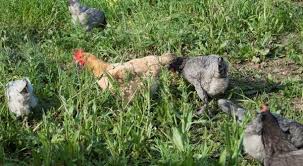
Regenerative agriculture is an agricultural and livestock methodology, which pursues sustainability by reducing the chemical and industrial impact. Instead, bet on the self-healing effect of nature.
The main approach of the regenerative agriculture model involves taking advantage of or re-exploiting the soil. To do this, providing it with those components that are lost with its agricultural exploitation. In this way, by regenerating the properties of the earth, it can be exploited again. Its methodological application in the livestock aspect is also possible.
In this sense, it is presumed that natural resources are limited and scarce. For this reason, a new vision of the world, more respectful and accentuating its cyclical nature, is essential.
The defenders of these practices argue that the environment, by itself, is capable of regenerating itself and continuing its productive cycle. All this, without the hand of the human being and his exploitation techniques. However, this regeneration is also helped, with the care of the fertile soil.
Regenerative agriculture is, therefore, an available resource when it comes to curbing the phenomenon of global warming, as well as promoting the stimulation of local and regional activities that are less aggressive towards the environment.
Regenerative agriculture approaches
This vision of agricultural activity and exploitation raises a series of basic principles regarding the use of natural resources:
- Maximum reduction of chemical effects: Proponents of the regenerative methodology advocate the elimination of artificial chemical resources. In this sense, as crop stimulants, due to their toxicity and aggressiveness towards the planet.
- Carbonic treatment: By increasing the use of organic carbon in soils, the action of chemical products is supplemented by organic and natural hand. At the same time, the emission of polluting CO2 is avoided.
- Minor use of technology: Regeneration involves less use of technology and machinery, which can be considered invasive or aggressive for the natural environment. At that point, human labor is used, as well as the use of animals as in traditional crops.
- Bet on renewable energies: With the lesser use of technological goods, the reduction of the consumption of fossil resources and high pollutant level is also pursued.
- Democratization of the product obtained: Sometimes the regenerative practice involves higher production costs, which makes the products obtained more expensive. It is an objective of this, however, the reduction of prices of fruits, vegetables and other resulting for its greater extension in the markets.
- Social role and collaborative: This type of agriculture stimulates the development of economies at the local level and of smaller supply chains, which favor sustainability.
Outstanding actions of regenerative agriculture
Despite being a very widespread agricultural movement over time, there are numerous projects and approaches to which it has been able to give rise.
These have especially been developed in Western countries, in many parts of America (both North and South with their great diversity) or Europe (highlighting Mediterranean areas such as Spain and Italy).
Thus, some places in the United States stand out (mainly on the west coast, with extensions of land such as those in the state of California), where this methodology has been applied in cooperatives and nature reserves.
In this sense, traditional economic activities such as cereal cultivation, purely organic exploitation and new forms of grazing have been revitalized by applying the regenerative thesis and betting on the "bio" product.
For this reason, this type of agricultural practice is considered a key piece in the expansion of circular and green economy systems.
Leave a Reply