
Intestate
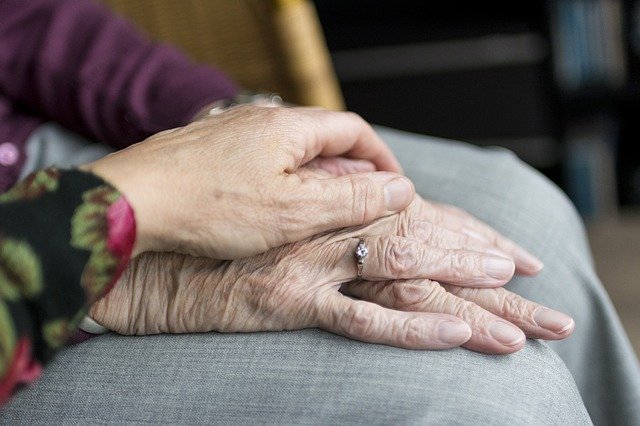
The intestate is a judicial procedure that begins to request the inheritance of a person who has died without leaving a will. The term abintestato comes from the Latin ab intestate, which means without a will.
This procedure will be applied when a person dies without leaving a will or if the will, having lost its validity, turns out to be null.
Declaration of intestate heirs
The declaration of intestate heirs is the procedure that must be followed to request the inheritance of a deceased person.
First, the order of hereditary succession will be taken into account. If the deceased person had children or grandchildren, these will be the beneficiaries. Second, it will be the parents or grandparents who have the right to the assets, in the absence of children, grandchildren, parents and grandparents, the spouse will be the heir.
In the event that the above groups do not exist, the assets will pass to the brothers and nephews.
Types of abinstestate
There are two types of abintestate. First, the notarial intestate, which will be made when the deceased has children, grandchildren, parents, grandparents or spouse. Otherwise, an intestate will be processed through the courts.
Notarial intestate
When the deceased has children, grandchildren, parents, grandparents or spouse, the procedure will be carried out at a notary's office. The procedure will be carried out at a notary's office in the town where the deceased resided. For the declaration of heirs, an interested party (who has the right to inheritance by law) will be presented, without it being necessary for all the heirs to attend. Together with the interested party, two witnesses must appear.
It will be essential to present the Identity Card of the deceased person, the death certificate, as well as the family book. The lawyer who carries out the procedure must present the certificate of heirs at a notary's office in about 20 business days. For this act, it will be necessary to pay fees.
Judicial absinthe
It takes place when there are no ascendants, descendants, or spouse left. The brothers or nephews will have to be in charge of the processing of the procedure through the courts. This will require hiring a lawyer and also a solicitor to save time in court.
The lawyer must report all the procedures. It will be necessary to present the certificate of registration of the deceased, the death certificate, the certificate of the General Registry of Last Will Acts and the certifications of the Civil Registry. On the other hand, two witnesses will be necessary to certify who were relatives of the deceased.
Leave a Reply