
aromatherapy
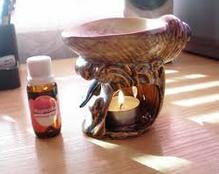
The concept of aromatherapy It is made up of two terms: smell (the chemical compounds that include odoriferous particles in their formula) and therapy (the area of medicine focused on how different health disorders are treated).
Aromatherapy consists of the medical use of essences or essential oils: the fluid present in certain plants that is characterized by its pungent odor. It is a technique which is usually included within the alternative medicine (that is, it does not find sustenance in the traditional medical-scientific community).
The origins of aromatherapy are remote as several ancient peoples turned to scents to treat diseases and various ailments. Baths with essential oils and the spread of incense were some of the first manifestations of aromatherapy.
Due to the high concentration of essential oils, aromatherapy tends to dilute them in other substances to avoid irritation or burns. However, it is important to note that most essential oils are not ingested or applied to the eye area.
Essential oils can be diluted in hot water for the patient to inhale the steam. Another possibility is that, diluted in cold water or another type of oil, they are rubbed on the skin.
Let's see the essential oil application methods in more detail below:
* inhalation: This is the most common mode, and can be carried out directly or indirectly. As mentioned above, it is possible to mix the oil with water. An alternative to simply placing the product close to the patient is the use of diffusers, to promote movement of the particles in the air, and is often used to treat respiratory problems or even for certain skin disorders;
* massage: depending on the type of ailment to be treated, it is possible to apply the oil directly on the affected area and perform a massage, whose intensity also depends on the problem in question. This form of aromatherapy is widely used for muscle contractures;
* aromatic baths: when the patient's problem is related to his blood circulation, a suitable application is to take a hot water bath with a few drops of essential oils. It is important to reduce the water temperature from time to time, to achieve the degree of relaxation ideal and avoid injury;
* poultices: these are soft topicals that can be applied both hot and cold, and are recommended to treat skin problems or muscle aches;
* internal useThis is the least common application of aromatherapy, and it is only possible with certain essential oils. In addition, it is very important that it arises as an indication of a professional, who must also carry out a control to limit consumption.
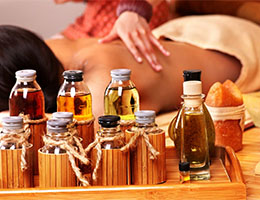
Each essential oil offers different Benefits, thanks to its specific healing properties. Among the most used are the following:
* bergamot: it is used for cases of depression, stress and anxiety, as well as to normalize the appetite. It is refreshing, energetic, revitalizing and stimulating;
* cypress: their properties purifying, invigorating and sedative are ideal for reducing the symptoms of menopause, certain allergies and stress, and to calm the nervous system;
* geranium: It is also used to treat depression and to relieve menstrual symptoms. Its stimulating and balancing action offers especially good results to improve mood and overcome states of anguish;
* ginger: provides a stimulus from immune system that helps fight colds and flu, improves blood circulation, is ideal for preventing nausea and dizziness during travel, is relaxing and promotes proper digestion;
* lavenderAromatherapy uses this oil to soothe headaches, relieve stinging from stings and burns, and regulate high blood pressure.
Leave a Reply