
amines
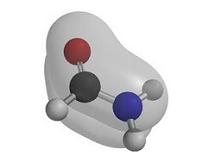
The amines are substances derived from ammonia, a gas It is made up of three hydrogen atoms and one nitrogen atom. When at least one of the hydrogen atoms is replaced from ammonia by aromatic or aliphatic radicals, an amine is obtained.
If a hydrogen atom is replaced, we speak of primary amine. In cases where two hydrogen atoms are replaced, the result is a secondary amine. The tertiary amines, on the other hand, they are generated from the replacement of the three hydrogen atoms.
Other classification of amines depends on alkyl groups, which give rise to two possibilities: when they are identical, then the amines are simple; on the other hand, if they present different features, the amines are mixed.
The aniline it is a primary amine. This organic compound is used in the production of pesticides, explosives, paints and varnishes, among others. products. It should be noted that aniline is toxic since it damages hemoglobin.
Among the secondary amines, mention may be made of the diethylamine, a substance used to produce colorants, resins, and other items. If diethylamine falls on the skin, causes a burn.
Regarding tertiary amines, one of the most common is trimethylamine, which is used in tinctures and resins. The decomposition of plants and animals releases trimethylamine: the unpleasant smell of the process is due to the presence of this amine.
Different classes of amines have different characteristics. In amines of similar molecular weight, primary and secondary have higher boiling points than tertiary amines, to cite an example.
Biogenic amines
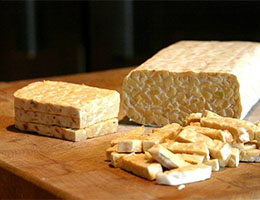
In a large number of beverages and foods, we can find nitrogenous compounds known as biogenic amines, which are fermented by bacteria lactic. Some of the most common examples are beer, wine, cold cuts and cheese, precisely four of the most consumed products in many parts of the world.
It is important to note that if the biogenic amines in a food item are present in high concentrations, this can have negative consequences for the Health of consumers. As a result of this risk, scientists are constantly working to prevent them from growing, using processes such as freezing and refrigeration.
Despite efforts to limit the development of biogenic amines in food, refrigerating and freezing them is not always enough, and therefore it is necessary to know how these compounds are formed, how they act and which are the most common, so that it is more possible to reduce their consumption and have them low control.
In food products, the most common biogenic amines are tyramine, histamine, spermite, putrescine, tryptamine, sperdimine, and cadaverine. From this list we must highlight tyramine and histamine, the most abundant in the cheese, as they are the cause of the highest number of food poisonings.
Since they can cause the formation of potentially carcinogenic nitrosamines from the reaction with nitrites, they have been considered hazardous substances. Regarding the toxic capacity of biogenic amines, it is necessary to point out that it depends on certain factors unrelated to them, such as the combination of their consumption with some medications, or even the sensitivity of the person; This makes the task of defining levels of toxicity in each food.
The term biogenic in the name of these substances it refers to the fact that they arise from the activity of certain living organisms. In processes such as fermentation from food, either spontaneous or controlled, these amines proliferate.
Leave a Reply