
algae
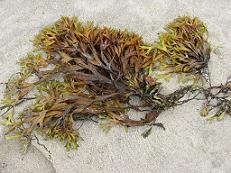
The algae They are plants that usually live in the aquatic environment and that can be multicellular or unicellular. While some experts place algae in the group of lower floors, others place these organisms among the protists (that is, they are not considered plants, animals or fungi).
It can be said that algae are eukaryotes since they have cells that have a true nucleus. They are also beings phototrophs: they have the ability to use the sun's rays as an energy source.
Instead, these organisms lack organs and tissues. Most algae are exclusively nourished by autotrophic, synthesizing the substances they require to survive through elements that are not organic (in this case, sunlight). However, some species they also appeal to heterotrophic feeding.
The specialty of botany focused on the analysis of algae is called phycology, although it is also often referred to as algology. It should be noted that, among the multiple genera of algae, there are several that are used by the human being in different contexts.
There are algae that are used as food. The red algae of the genre Porphyra, for example, are known as nori and they are used frequently in Japanese gastronomy. These algae are generally dried and cut into strips so that they can be used in the preparation of sushi, rolling fish and rice.
One of the reasons why seaweed is so popular in gastronomy is that have interesting nutritional properties. In addition, they can be used in many ways and the list of dishes in which it is used is really endless, since it is an ingredient of great importance in Chinese, Korean, Norwegian, Irish and Icelandic cuisine, in addition to the aforementioned Japanese.
It is worth mentioning that the number of species of algae recognized by humans exceeds 25,000; however, only a small fraction of them can be marketed for gastronomic use. Broadly speaking, we can say that they have a considerable content of vitamins and minerals (such as magnesium, calcium, iron, iodine, potassium and phosphorus). Some of them also provide a high protein value, which is why they tend to appear frequently in dishes vegetarian.
Although the large supermarket chains have among their food products some other species of algae, the stores where there is usually a great variety are herbalists, or anyone who is specifically dedicated to meeting the nutritional needs of people vegan.

Regarding the way they are sold, seaweed can come in powder, dehydrated, canned or fresh, and the price varies considerably from case to case.
The way of use of each one is also different. For example, before using algae that are marketed fresh, we must make sure to remove all the salt; To do this, they must be immersed in water and stirred, a procedure that we must repeat three times. Having completed this step, we can proceed to cook them in Water boiling (note that the time required for each species is different). Finally, we must drain them and add them to the preparation; It is important to note that the water can be reused.
On the other hand, there are dehydrated algae, which are usually sold in small pieces, easy to add to soups and stews. Simply add them long enough to hydrate, as they do not require any special treatment. If we want to use them to complement other dishes, but not cook them together with the other ingredients, then we can leave them in cold water for a long time.
Algae can also be used for the production of biofuels, fertilizers Y products cosmetics. At the industrial level, they are included in different processes.
Leave a Reply