
alcohol
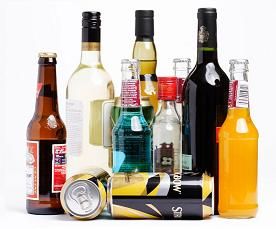
The alcohol is, from a point of view chemical, that organic compound that contains the hydroxyl group attached to a aliphatic radical or to any of its derivatives. In this sense, since it is a compound, there are various types of alcohols.
In everyday language, the chemical compound is known as alcohol ethanol, also named as ethyl alcohol. It is a colorless and flammable liquid, the boiling point of which is 78ºC.
The chemical formula of ethyl alcohol is CH3-CH2-OH. This compound is used to prepare alcoholic drinks, which, in many opportunities, are also known simply as alcohol (for example, "We have to buy alcohol for the party tonight.", "Miguel drank too much alcohol, he no longer knows what he says").
Alcoholic beverages can be produced by fermentation (As the wine and the beer) or by distillation (As the liqueur). The percentage of ethyl alcohol present in each drink can vary: beer has approximately 5% alcohol; wine is close to 15% and liqueurs can contain 50% ethanol.
It should be noted that ethyl alcohol is a psychoactive drug for human beings. Its consumption produces, in principle, a feeling of joy. At the time, the individual may suffer coordination problems and have blurred vision. With excessive consumption, it is possible to reach a state of unconsciousness and, at an extreme level, lead to death from poisoning.
These negative consequences of alcohol for the body make most of the countries prohibit the consumption of alcoholic beverages by minors of a certain age (usually 18 years old).
Children of alcoholic parents

Alcoholism is a disease that not only affects the subject who suffers it but also those who are part of your emotional circle, especially your spouse and children, if you have them. We will focus on the relationship that exists between parents and children and what consequences alcoholism can bring on it.
According to Margaret Cork, who has studied the subject carefully, in childhood the individual acquires the sense of security and self-worth and, depending on how you build both, you will develop a more or less direct ability to face the complex problems that touch you; it is from their relationship with their parents or guardians how you build confidence in yourself and those around you.
If children grow up in an environment where alcohol is present, the nest in which they are brought up will be absolutely disintegrated in which anxiety, pain and remorse reign; In this way, children will acquire unstable adult behaviors, will entrust themselves with responsibilities that do not correspond to them and will develop qualities typical of alcoholics, lying and manipulation, above all.
When they reach adulthood, the children of alcoholic parents, if they have not worked on the focus of the problem with the help of a therapist, often have harmful attitudes against themselves. Since they have had a childhood infused with critical and guilty attitudes, their adulthood does not usually escape them and they manifest a clear low self-esteem that leads them to decide on two opposite paths: do the same as their parents, their models (become alcoholic) or surrender to a life of denial, trying to become successful people and hiding their self-esteem problems.
There is, however, a parallel path and, surely much more recommended, the same consists of checking, in studying the existence of their parents, internalizing their childhood feelings and with all that do something different, building self-love in a healthy way and recognizing that criticism can often be productive, depending on who they come and how they are said and that, from them, you can develop a healthy self-criticism and a judgment of the environment, out of prejudices and shocking childhood experiences marked by alcoholism.
Leave a Reply