
aerobic
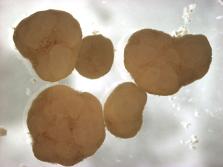
The aerobic are the organisms that require oxygen to live. The term can also be used as an adjective with respect to what needs oxygen or that has this gas.
The opposite of aerobic is anaerobe. In this case, anaerobic organisms (which can also be referred to as anaerobic) do not use oxygen in their metabolic activities.
The evolutionary process that led to the development of aerobiosis began in the oxygenic photosynthesis. In this photosynthesis, water contributes electrons and produces the release of oxygen as a by-product of the process. This photosynthesis began to send a large amount of oxygen into the atmosphere. Aerobic organisms, taking advantage of the Energy released from the oxidation of different substances, they managed to establish themselves as dominant on the planet.
Is named aerobiosis the process that, through cellular respiration, allows oxygen to be used to achieve the oxidation of fat, sugar and other substances, so that energy is generated. Plants and animals are thus aerobic organisms. Through respiration, living things absorb oxygen from the atmosphere and release carbon dioxide. If we focus on the case of human being, respiration involves the inhalation and exhalation of air, a process that allows cellular respiration, hematosis and the supply of oxygen to the different cells of the body.
The process known by the name of hematosis, for its part, takes place in aerobic organisms with the aim of exchanging gases between the blood of animals and the outside environment, to remove carbon dioxide and fix oxygen, throughout respiration. This occurs without energy consumption and in favor of the partial pressure gradient, that is, it is generated by simple diffusion; For this reason, a key point of hematosis is the partial pressure of external oxygen, and its variation affects the characteristics of the body's response.
For our species, respiration (also known by the name of aerobic metabolism) is an essential process for our life, and we do it involuntarily, constantly, from the moment we are born until we die. The fact that we do not have to make an active decision to carry it out may explain why we pay so little attention to the purity of the air; through most of our habits we contribute directly or indirectly to environmental pollution, and this has a negative impact on our Health.
Aerobic organisms have developed various systems of hematosis, which are as follows:
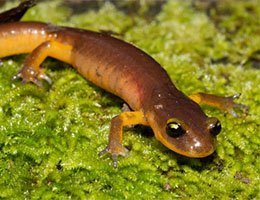
* cutaneous: This can be seen in echinoderms, annelids and amphibians. It is important to distinguish between skin, by means of which the gas exchange takes place, and the corporal integument, which performs the configuration of the respiratory structure. The skin must have a very thin thickness and a high level of humidity;
* tracheal: the trachea is an organ present in onychophores and terrestrial arthropods. It is known as tracheal system to a set of hollow tubes progressively connected to each other, starting with those with the smallest diameter;
* gill: the organ known as gill or gall It is found in many aquatic animals and is used for the extraction of oxygen and the transfer of carbon dioxide to the environment.
* pulmonary: this system is what allows us to carry out aerobic metabolism, and gives rise to the Pulmonary ventilation, a group of processes that promote the flow of air between the pulmonary alveoli and the atmosphere, through inspiration and expiration.
The aerobiologyFinally, it is the specialization of the biology which focuses on the analysis of organic type particles that passively move through the action of air.
Leave a Reply