
abstentionism
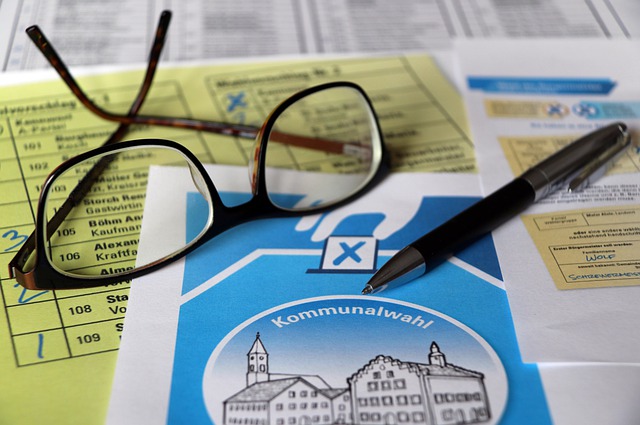
It is known as abstentionism to the practice that involves not get involved in making a decision, thus rejecting the exercise of the right to participation. The concept is often used in the political arena, especially with reference to an election process.
No vote
Abstentionism, in this sense, supposes No vote. The person who abstains from voting does not cast his suffrage, with which it does not express its approval or its rejection of a candidacy or a proposal.
Abstentionism consists of not voting
It should be noted that abstentionism is not associated with invalid vote nor to blank vote. The one who abstains does not even go to the polling place; on the other hand, the subject who casts an invalid or blank vote participates in the choice.
A stance of protest
In some elections, it is imperative to achieve a quorum (a minimum number of voters over the total number of eligible voters) for the result to be valid. These cases make abstentionism more important, since those who decide not to vote can cause the cancellation of the process in question.
Although the right to vote is individual, abstentionism is usually positioned as a political stance or even as a movement. When abstention is very high, it is considered to be a demonstration against the system.
Causes of abstentionism
Although up to now we have pointed out that abstentionism is generally motivated by the dissatisfaction with the proposals of candidates for political office, the study of the causes of the decision not to vote can lead us to a more in-depth and detailed analysis of the factors that directly or indirectly cause it.
Let's start with the sociodemographic factors, since participation in electoral processes is inextricably linked to a series of social and demographic issues, such as age, sex, monthly income, level of academic training, geographical location, infrastructure communicational and religion.
Nor can we ignore psychological factors, such as the loss of interest in suffrage for political reasons (which often leads to stop supporting a certain ideology). The fact that elections do not always lead to overt change causes deep skepticism in the system in many people, which negatively affects the importance apparent of the vote.
Between the political factors We can mention the indifference that many parties show to the real problems of their voters, the lack of innovative and forceful proposals to attract the attention of the people and the excessive growth of some parties over others.

Various party attitudes erode interest in suffrage
Classification
Terms like apathy or laziness they appear frequently when speaking of abstentionism or abstention. There is talk of listless abstentionism to describe the attitude of those who convince themselves that the individual vote is not important to justify their lack of commitment. Those who respond to this profile tend to ignore the potential consequences of this decision.
It is possible to differentiate between passive abstention and the active abstention. With passive abstention, the fact of not voting is associated with disinterest of the individual or even the ignorance. Active abstention, on the other hand, is a political action, linked to the ideology.
The level of interest and participation in electoral processes have a relatively complex relationship. There are those who are disinterested in the elections because they believe that the current leaders are the right ones, while there are also those who think precisely the opposite. However, at both extremes there can be a very low or very high participation, either by own decision or by imposition.
Leave a Reply