
Financial analysis
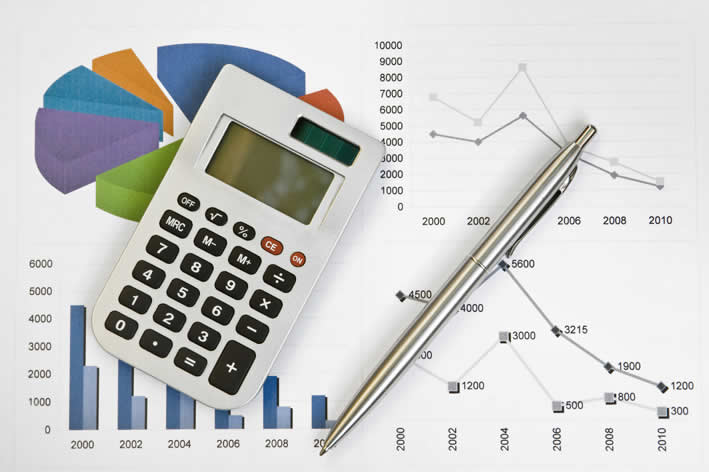
Financial analysis is the study and interpretation of the accounting information of a company or organization in order to diagnose its current situation and project its future development.
Financial analysis consists of a series of techniques and procedures (such as studies of financial ratios, indicators and others) that allow analyzing the accounting information of the company to obtain an objective view about its current situation and how it is expected to evolve in the future. future.
Objective of financial analysis
The objective of financial analysis is to obtain a diagnosis that allows the economic agents interested in or related to the organization to make the best decisions.
The use of financial analysis will depend on the position or perspective of the economic agent in question. Considering the above, we can divide the agents into two groups:
- Internal: Company administrators use financial analysis in order to improve the management of the firm, correct imbalances, prevent risks or take advantage of opportunities. A good financial analysis is key to be able to plan, correct and manage.
- External: External agents use financial analysis to know the current situation of the company and its possible future trend. Thus, for example, for an investor it is important to know the status of a company to see whether or not it is worth investing in it. Other relevant external agents are: clients, suppliers, potential investors, regulators, tax authorities, etc.
How the financial analysis is done
The financial analysis is carried out through the observation of the company's accounting data (mainly financial statements of a certain period), ratios, indices and other indicators together with additional information mainly related to the economic and competitive context in which the company operates. organization.
There are three basic concepts to report on:
- Cost effectiveness: The accounts related to income, costs and results are observed. It is about determining not only the value of the company, but also its composition, quality, evolution and projection.
- Liquidity: That is, the ability to meet your resource needs and meet your short-term debts. Variables such as: indebtedness, current assets, maturity period, turnover, etc. are observed here.
- Solvency: It refers to your ability to meet long-term debts and also to be able to invest to grow in the future. In this case we observe variables such as: long-term debt, equity, sources of financing, etc.
Financial analysis methods
There are two methods according to how the analysis is structured:
- Vertical: Single period financial statements are analyzed.
- Horizontal: The financial statements of more than one period and / or more than one company are studied.
Leave a Reply