
The 10 Highest Sodium Foods (And Their Benefits)
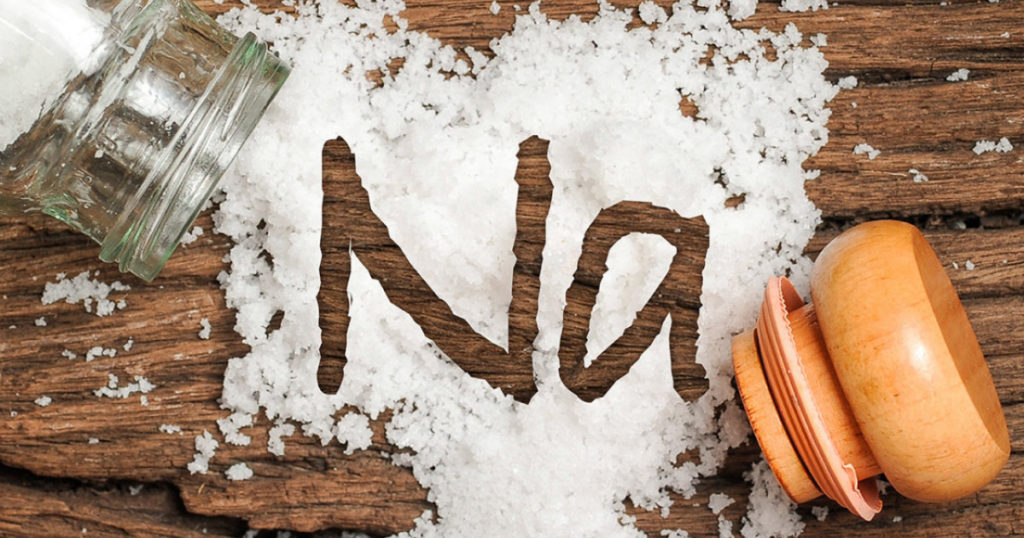
Sodium, also known by its symbol Na, is a metallic chemical element with an unctuous texture that we can find in abundance in many places in nature, such as sea salt from the oceans. Furthermore, it is known that sodium plays a fundamental role in life.
Specifically, the sodium cation (Na +) plays a central role in cellular metabolism. It is involved in the transmission of the nerve impulse, as well as in the contraction of muscles and the cellular absorption of nutrients.
Sodium: friend or foe?
The concentration of this element in our blood is around 135-145 mmol / L under normal conditions.. Sometimes this amount can rise above this range, producing a condition called hypernatremia. Similarly, when the amount of sodium in the blood is lower than normal, we speak of hyponatremia.
To prevent the body from being at these extremes, our body has a complex system that allows its concentration of water and salt to be balanced in a balanced way. Thus, when our blood sodium levels increase, the thirst receptors stimulate this sensation that leads us to seek water intake. Similarly, when sodium levels in the blood are reduced, the body tries to excrete as little of this component as possible through the urine.
In addition to its relationship with the body's hydration and dehydration processes, sodium also plays an important role in other physiological processes in the human body. Especially relevant is its function in the nervous system, since the movement of sodium is what allows the depolarization of the cell membrane, which in turn contributes to the transmission of the nerve impulse.
It is known that some toxic substances for the central nervous system can increase the permeability of sodium in the membranes of nerve cells, which produces a depolarization of the same and some very harmful effects that destroy the homeostasis of the organism. However, some drugs may offer benefits by acting on the movements of sodium in the membrane in a much more subtle way, being able to achieve, for example, antidepressant effects.
Although sodium is important for life and allows the body to perform vital functions, the amount necessary for this to happen is very small. Thus, an excess of sodium can be very harmful to health. Diets high in sodium are associated with an increased risk of developing high blood pressure, a major risk factor for stroke and cardiovascular disease.
The abuse of packaged and prepared industrial foods is one of the sources by which most of the population ingest amounts of sodium higher than recommended. Due to the importance of maintaining healthy blood sodium levels, in this article we are going to collect ten foods rich in sodium, so that you can limit their consumption and have a diet without excess of this component.
What are the foods with the most sodium?
Next, we are going to review the 10 foods with the highest sodium content. In this way, you should moderate its consumption, because as we have mentioned, an excess of sodium can be harmful to health.
1. Salt
How could it be otherwise, salt is one of the products with the highest sodium content. The consumption of salt can be misleading, since it is not limited to the salt we add to our meals, but also includes all that contained in processed products. Many industrial foods have a high salt content that you would not even imagine.
However, a good first step in limiting sodium amounts may be to use less salt shakers and more spices. The use of aromatic herbs and other seasonings can go a long way to flavor your meals without sacrificing your health. Try to reduce your use of salt in the kitchen progressively, otherwise you will notice a big change in the flavor that will cost you to assimilate.
2. Bouillon tablets
Stock tablets are a very useful product in the kitchen to give flavor to recipes. But nevertheless, these cubes usually contain high levels of salt, so they will add too much sodium to the food. Although low-salt bouillon tablets are currently being marketed, we recommend that you make your own homemade bouillon tablets.
It is as simple as preparing a good quantity of broth (made from vegetables, chicken ...) and placing it in an ice bucket. In this way, you will only have to go to the freezer every time you need a pill that gives life to your dishes.
3. Soy sauce
This product typical of Asian cuisine has become popular in recent years and has begun to be consumed frequently in many homes. However, it is not recommended to abuse this sauce, as it contains high levels of sodium. Its intense and salty flavor is delicious and it gives a great flavor to dishes such as sushi, although it is best to limit its consumption to special occasions, without overdoing it.
4. Anchovies in oil
Canned anchovies are a delicacy. Precisely, its high salt content is what allows its conservation, which is why it is preferable that its consumption be moderate without excess. Anchovies contain numerous properties, so there is no question of demonizing this food. Simply try to dose your intake so you don't ingest high levels of sodium all at once.
5. Sausages
Sausages are a product that is very popular but, unfortunately, do not have the best nutritional properties. From time to time, the sausage (better if it is of good quality) is a food that we can include in the diet, although it is preferable that it is not in the base of our diet. Serrano ham, chorizo, salami and salchichón are particularly rich in sodium.
The bread, cookies and all pastry products are characterized by their high sodium content, especially when they are industrial. Although these products have become the center of breakfast, there are many healthier and just as delicious alternatives. For example, you can try substituting cookies for scrambled eggs or yogurt with fruit. In case you have a craving for sweets, you can try preparing them at home, as this way you will be able to measure amounts of salt and use natural ingredients.
7. Cheese
Cheese is a delicious product that is present in the diet of most people. In addition, even those who show lactose intolerance have suitable substitutes that allow them to enjoy cheese without problems. But nevertheless, it is convenient not to abuse its consumptionSince all varieties of cheese have high levels of sodium.
8. Vegetables and canned vegetables
Vegetables and vegetables are foods full of properties that should be present in any healthy diet. However, those that are bought canned and packaged usually have amounts of sodium added. For this reason, it is advisable to consume fresh vegetables and greens, since in this way the unnecessary consumption of sodium is reduced and its properties are used to the maximum.
9. Industrial sauces
Dressing dishes with sauces such as ketchup, mayonnaise or mustard is a custom that can cost us dearly. These types of industrial sauces have an almost addictive taste, in part because they contain high amounts of sodium. This type of sauces, like other industrial products, should be consumed occasionally, but they should not be regular companions of our meals. To give flavor to the dishes, it is interesting that you try to make your own homemade sauces and dressings, avoiding the abuse of salt and using products of natural origin.
10. Shell seafood
Seafood such as mussels, cockles, oysters or clams are a delicacy that is great to enjoy from time to time as an aperitif. However, like other foods that we have discussed on this list, it is advisable to moderate its consumption, since otherwise we may be eating a diet with an excessive intake of sodium.
Conclusions.
In this article we have compiled the ten foods highest in sodium. Sodium is a component necessary for our body to function properly. This has an important role in the hydration-dehydration processes of the organism, the functioning of the circulatory system and the transmission of the nervous impulse.
However, an excessive amount can be highly harmful to health. A diet rich in sodium can promote the appearance of cardiovascular problems, so it is advisable to moderate the consumption of those foods that have a higher concentration of this element. Generally, the products with the highest sodium content are industrial ones, the so-called ultra-processed ones. Among them are sausages, sauces, bakery and pastries and preserves. Instead, it is preferable to opt for the consumption of fresh and natural foods.
In addition, the amount of salt we add to food must also be limited, using products such as spices to flavor the dishes we prepare. The foods that we have compiled in this list should not be demonized or radically removed from the diet. Instead, a balanced diet should be maintained, with a controlled consumption of these products and a conscious diet in which we prioritize natural unprocessed foods.
Leave a Reply