
acetate
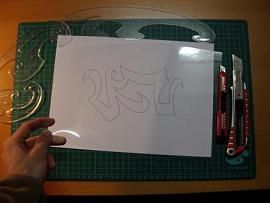
The concept of acetate has its origin in latin acetum, a word that refers to "vinegar". It consists of a transparent material that is used in the graphic industry and is intended for the manufacture of photographic films. In the chemistry, the acetate constitutes the salt that is formed when mixing acetic acid with some base.
There are many types of acetate, and we will mention some of them below:
The vinyl acetate it is a chemical liquid industrial, transparent in appearance and sweetish aroma that is highly flammable. This product is used to form other chemical elements, which in turn make it possible to make paints, adhesives, fabrics and paper. It can also be used as a coating to package certain foods and to modify starch. It is important to mention that continuous contact with this liquid can have consequences to the people; the symptoms that occur are irritations in the throat, nose and eyes and, in some cases, spots on the skin. The greater the exposition, the more serious the complications will be.
The cellulose acetate, for its part, is a colorless and amorphous thermoplastic. Presents good stability with respect to UV rays and is hygroscopic (it can absorb and exhale moisture, depending on the medium). Products that use it are brushes, spectacle frames and films that are used for graphic and artistic applications. It was invented in 1865 by Paul Schützenberger and has since been subject to change and new uses.
Regarding its use in the film and film sector Photography, the first film made with cellulose acetate was introduced in 1934 and replaced cellulose nitrate (standard until that time). This type of film became more popular until the creation of the one made of polyester, also known by the Kodak name "Base ESTAR". This happened in the 1980s. However, the acetate film did not fall completely into oblivion, but instead began to be used in magnetic tapes, until the movie of polyester was completely massified.

The sodium acetate, which is also called sodium ethanoate, is a type of salt that is used in processes of neutralization or deasidulation to remove free acidity. It is a product used mainly in the textile industry when decolorizing garments, especially if aniline dyes are used.
Other uses are: leather thinning, flavoring in French fries and manufacture of thermal bags. It's a product very economical and easy to obtain- Can be purchased from chemical distributors or any other latorative where they dedicate themselves to synthesize components to obtain reactions such as acetic acid with sodium carbonate, sodium bicarbonate, or sodium hydroxide.
The lead acetate It is a white crystalline chemical composition that has a sweetish taste. It is achieved by mixing acetic acid with litharge (lead oxide II). It is an absolutely toxic substance that can be used for the composition of explosives, due to its ability to dissolve in water or glycerin. However, it has other uses, which include obtaining a wide range of hair dyes that progressively change from Colour until fully fixed, and dyeing of clothing or certain printers.
According to some studies, lead acetate can be highly polluting and could generate complications during pregnancy, even killing the fetus, so in recent years its use in hair dyes is being lost and women are recommended not to use it if they are pregnant.
Finally, the ferric acetate It is one that is used as a flavoring in chewing gums and as a varnish in different ornaments. According to experts, the derivatives of this substance have precursors such as Acetyl-CoA and associated molecules as occurs, for example, with the Malonil-CoA and the Propionyl-CoA.
There are many others types of acetate, each one destined to fulfill a different function in the productive or industrial chain.
Leave a Reply