
25 Popular Japanese Drinks You Must Try

Searching popular japanese drinks? Japan is the paradise of original drinks!
In a country where you can find vending machines with all kinds of hot and cold sodas in every corner, endless shelves and refrigerators in convenience stores and supermarkets, and alcoholic drinks served in bars and restaurants, there are a number of Japanese drinks that never cease to amaze you.
It is clear that Japanese food It has nothing to do with what we consume in the West. But what about drinks in Japan? What flavors are the ones that triumph there? Are hot or cold drinks more popular? What alcoholic drink is the typical one that is made in a traditional way?
Although there are many more, we have made a compilation of the most common Japanese drinks prepared and unprepared that are usually found throughout the country, the most consumed and favorite of the Japanese.

If you also want try typical Japanese drinks during your tripFind out where you can buy them and which ones you shouldn't miss. They will surprise you a lot!
In this article you will find ...
Most consumed Japanese drinks
Green Tea
We start with the drinks without alcohol most popular in Japan, consumed daily and in large quantities.

Japan is a large producer and consumer of green tea, to the point of accompanying each of your meals, from breakfast to dinner, with a hot water preparation in which the tea powder is dissolved.
Also known as matcha tea, it is about dried and crushed tea leaves. This drink can be a bit strong at first, but over time you get used to drinking it.
It's about a powerful antioxidant, excellent to take care of health, and a very important part of japanese culture.
Unsweetened tea
In addition to the green tea that you can prepare at home or in restaurants at lunchtime, in Japan you can find many cold bottled drinks made with tea leaves. It is everywhere.
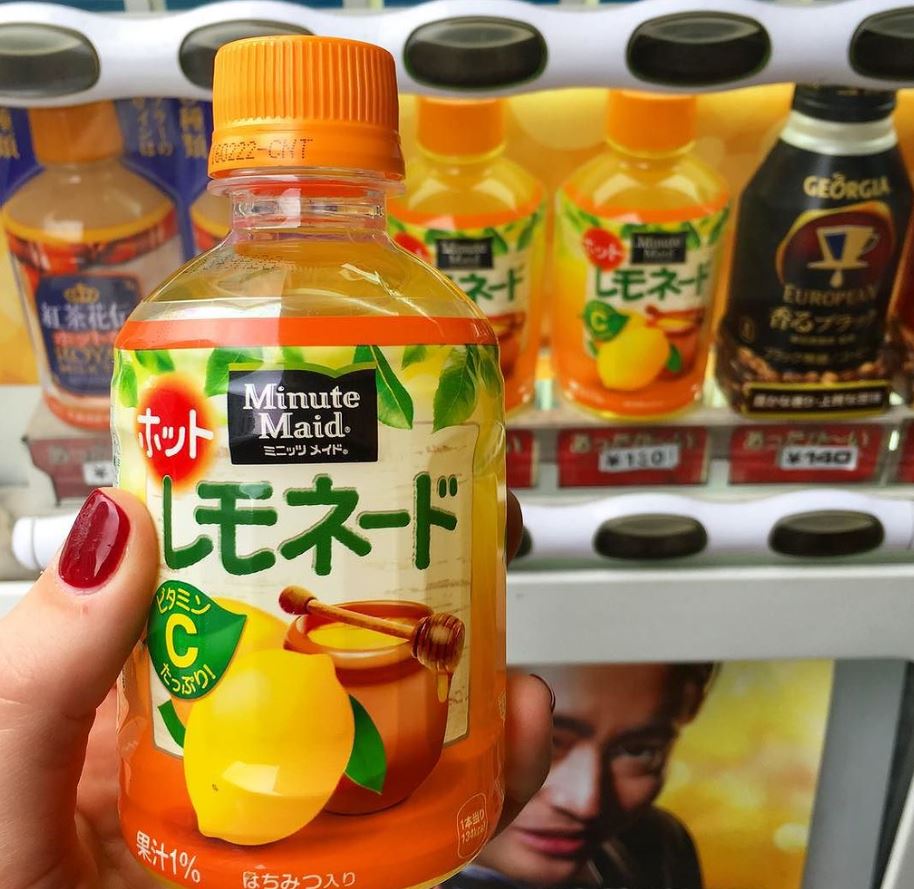
In the fridges of the Konbini and in vending machines. They are very striking. But be careful, because its flavor is not as you imagine.
In the Japanese country cold tea is taken without sugar. It is a very refreshing drink, but nothing sweet. Rather, it is bitter and is not usually very accepted by foreigners.
But if you like tea and you usually drink it without sweetener, this Japanese drink will surely become one of your favorites.
Sakura tea
Green tea is the typical one that is usually taken both hot and cold. This one is stronger in flavor, but there are other types softer and more aromatic such as sakura tea, made with the petals of cherry blossoms.
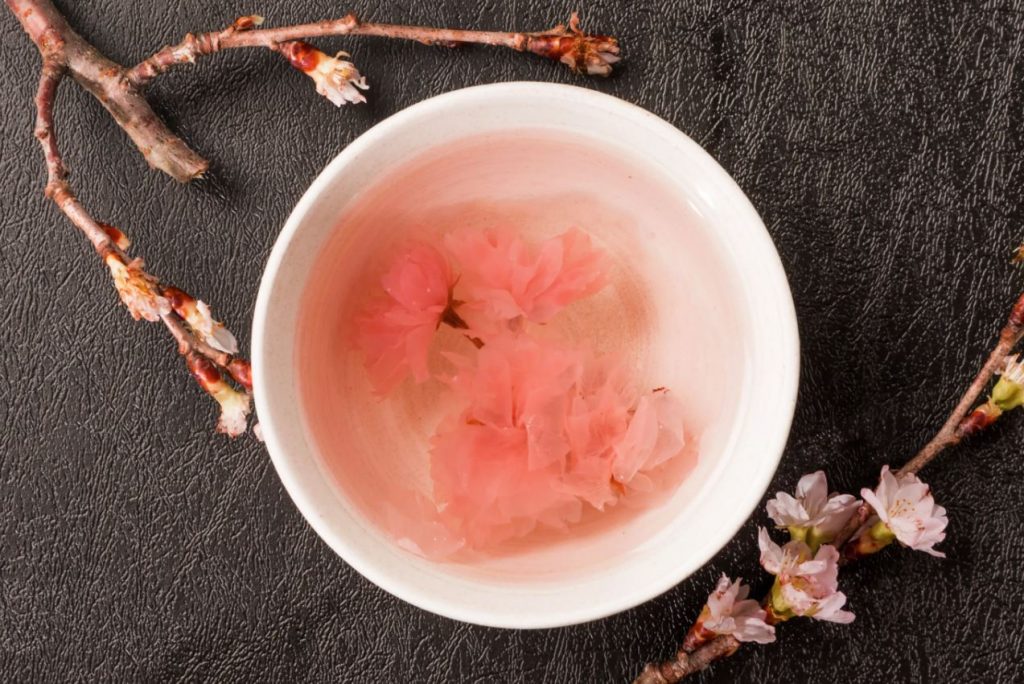
This tea is usually consumed on special occasions like weddings and festivals. For its preparation, fresh flowers are used, which are collected once a year, in the spring time.
It is at this time that sakura tea season is enjoyed, with a very delicate and delicious aroma.
Ofukucha
The ofukucha It is another of the most popular drinks in Japan. Is about a kind of tea whose recipe dates back to the Heian period.
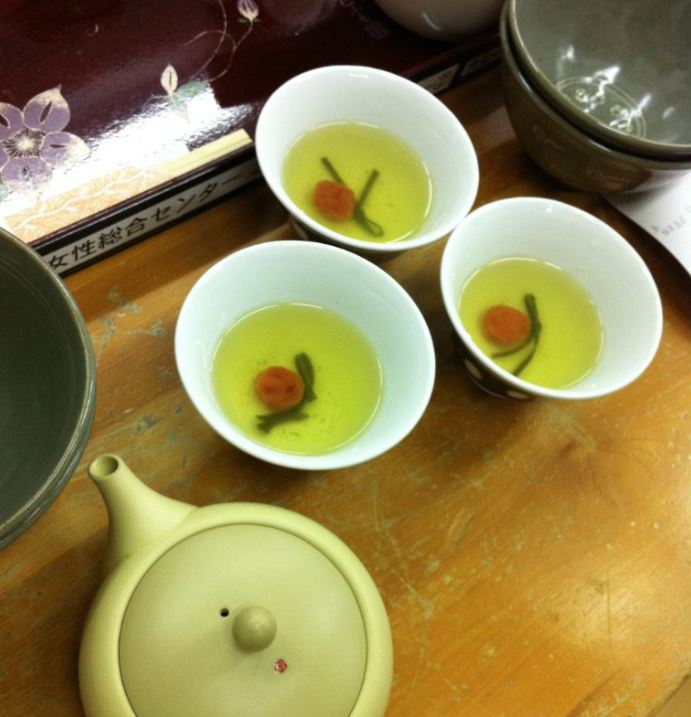
It consists of a green tea that is infused together with a pickled plum and seaweed. The taste is very special!
Like other traditional teas, this one so peculiar it is usually taken on special occasions.
The ideal times to make homemade recipes for ofukucha tea are the New Year and the celebration of Setsubun, the beginning of spring in Japan, generally celebrated in private with the family.
Canned coffee
If you are more into tea than coffee, don't worry, you also have the option of choose coffee to go.

Although coffee is not one of the most famous Japanese drinks, it is gradually increasing the canned coffee consumption for sale in beverage vending machines and supermarkets.
Coffees in Japan are frequently accompanied with milk and other ingredients such as vanilla or chocolate, besides being much sweeter.
You can find many kinds of different brands, served both hot and cold in some of the machines and convenience stores.
Calpis
Calpis or calpico soda is one of the Japanese drinks most famous outside of Japan. It is one of the most consumed in its country of origin, yes, but not the favorite of the Japanese.

However, for tourists the taste is usually quite impressive. Hence the great fame it has acquired over the years.
Calpis is a non-carbonated soft drink that mixes distilled water, skim milk and lactic acid. It is something like a very diluted yogurt, flavored with different fruit flavors.
Some preparations mix the calpis drink with alcohol, with surprisingly flavored cocktails that clash a bit at first, but are addictive in the end.
Ramune
Another of the most curious Japanese drinks, whose consumption has skyrocketed in recent years in the rest of the world, it is known as ramune.

It is a soda soft drink, marketed in glass bottle that is closed with a marble. When opened to consume, the marble falls into the bottle and activates the gas bubbles.
In Japan it is considered a soda for children, although many adults also like it a lot.
Is available in many different fruit flavors, being more popular especially in the summer festivals. Do not miss this video of how to open the bottle correctly:
Transparent Coca Cola
In addition to other typical soft drinks in Japan, the Coca Cola brand has a place of honor in the country. But did you know that here there is a transparent Coke?
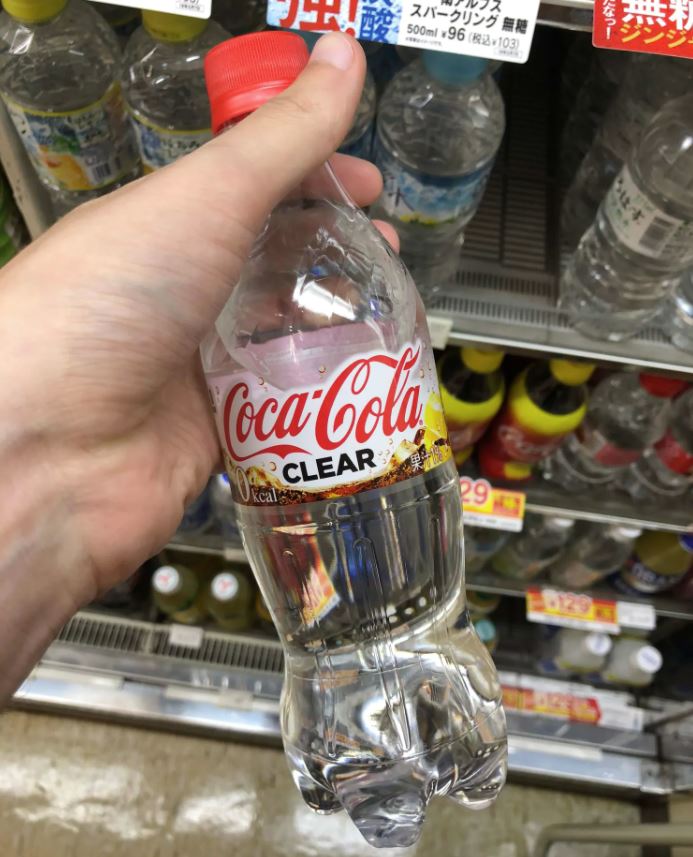
A real madness that brings tourists headlong the first time they run into it. We recommend taking it with one of the most popular Japanese snacks.
It is not very common to find it in any konbini, but if you have the opportunity, do not stop buying it and trying its flavor.
¿What does Coca Cola taste like? White? We don't want to unravel the mystery so you can see for yourself.
QOO
The Coca Cola firm makes different soft drinks in each country. One of the Japanese drinks that Coca Cola has in Japan is the still soda called QOO, with a very childish design to attract children and adolescents, its potential consumers.

This soft drink has the particularity of offering fruit flavors of the most original.
From the most classic like orange, lemon, strawberry or pineapple, to many more original ones that you will love to try.
You will find them everywhere, as they are typical of vending machines, neighborhood stores and the 100 yen stores.
CC Lemon
If you are a lover of lemonade, in Japan they have a very popular one that it is consumed for its contribution in vitamin C.

This soda from the Suntory brand is one of the typical things of Japan that usually frequently consume the Japanese, not only for its flavor, but also for its properties.
Its flavor is similar to that of any lemon soda, somewhat sweet and sour. This is because it contains natural lemon juice, enriched in vitamin C to protect your immune system at any time of the year.
Pocari sweat
Continuing with the fortified drinks, one that is marketed throughout the country is the Pocari soft drink. This drink has been on the Japanese market since early 80's, very popular throughout Asia.
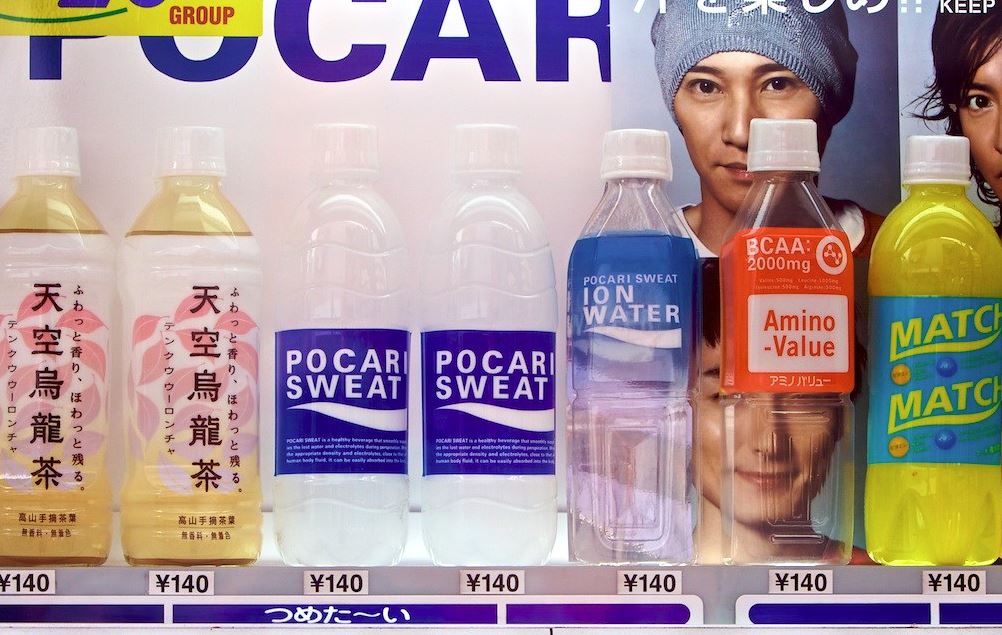
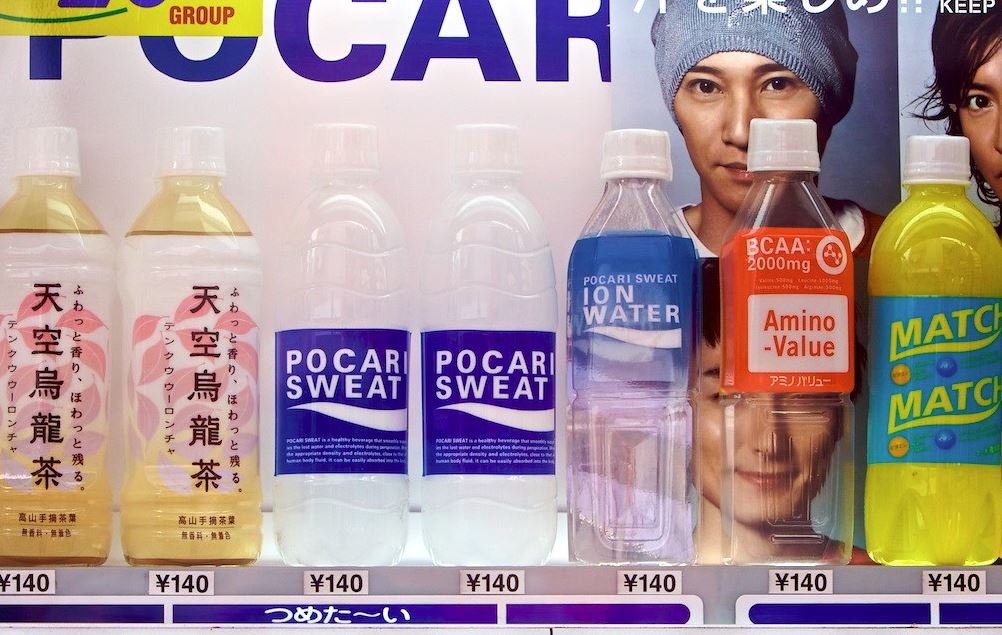
His composition is similar to that of the Aquarius, with a high content of vitamins, minerals and electrolytes to be replenished after exercising or on those very hot days.
It is the ideal drink for take for a gastroenteritis, and it never hurts to meet her if you get sick during your trip to Japan. Discover in this link what to take with you in a travel kit to Japan.
Lipovitan
Although Red Bull brand beverages are also marketed in Japan, the Japanese country has its own energy drink of this type.
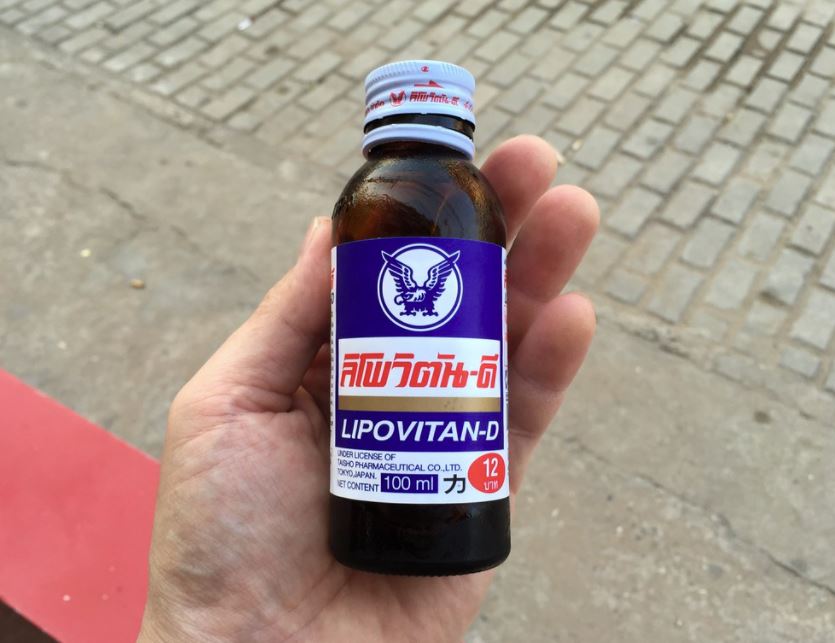
These revitalizing drinks are very typical of Asian countries, and are presented in small glass bottles to take in one gulp, with a high concentration of nutrients.
The most famous among Japanese drinks is Lipovitan. The label is in Japanese, and you may not be able to decipher its name.
But it is easy to recognize because it is in any neighborhood store in the cold drinks area. It is also bought in pharmacies.
Mitsuya cider
Although it is called a 'cider', it is actually a carbonated soda. The Mitsuya drink is produced by the Asahi brand.
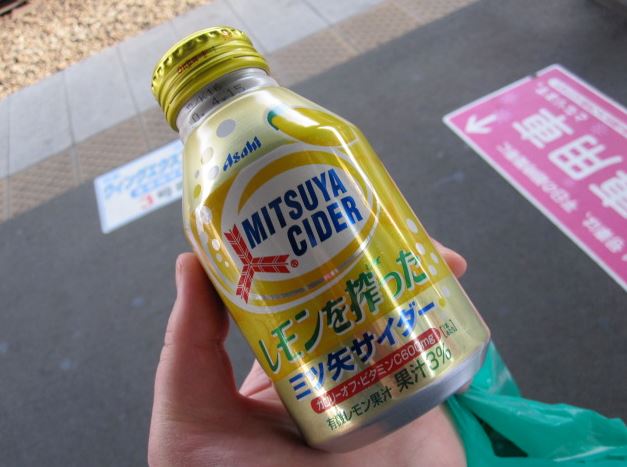
Indeed, the same one that makes the famous Japanese beer. It's a white gas soda which has a taste similar to Sprite, slightly bitter.
Little by little, variants of other flavors are being found on the market, although the favorite of the Japanese is the original Mitsuya. transparent color.
Soy milk
While the rest of the world consumption of animal milk is the most common, during your stay in Japan you will see that there is more typical to find soy drinks.

There are many Japanese brands that have drinks in all formats, sizes and flavors, whose main content is vegetable milk.
In addition to use them to make desserts, the Japanese consume coffees, smoothies and even sweetened or plain soy milk.
Some of the typical flavors of Japan that you have to try are the shakes of sakura soybeans ume, or Japanese plum, and my favorite: matcha tea.
Yakult
In Japan there are not many dairy products, but they do tend to have it in the form of a fermented drink.
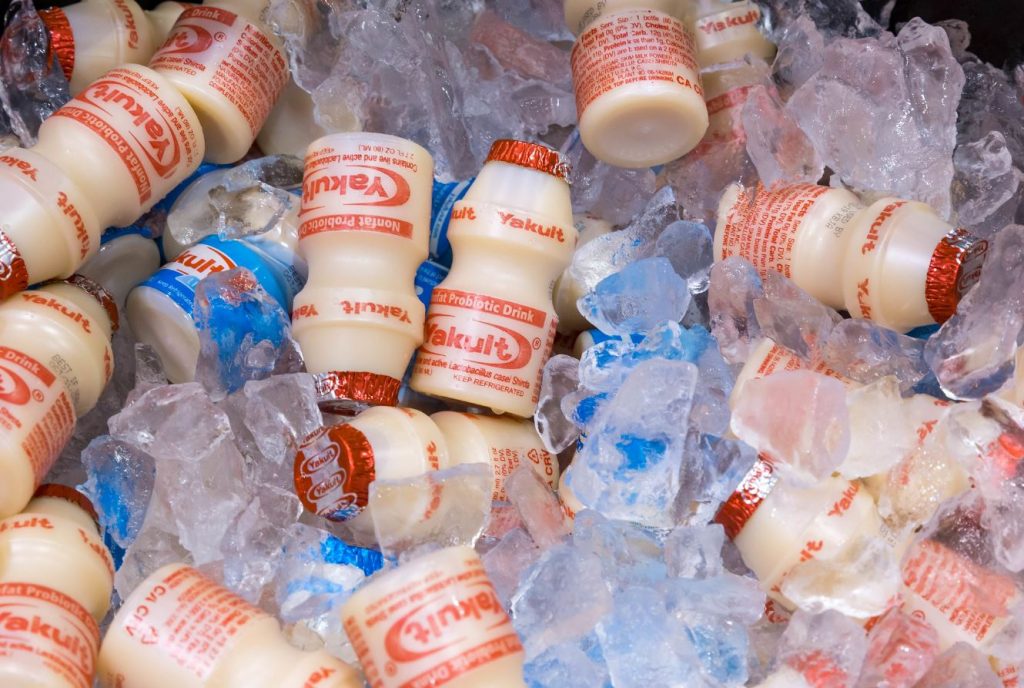
With the same texture of a liquid yogurt, in the Japanese country it is known as yakult, introduced in the Japanese market in the 30s, and with a great reception by the entire population.
This white drink is consumed for its lactic bacteria content. The concentration of probiotics It is usually higher than that of western yogurts, so it is always presented in small bottles. There are many different flavors.
Kinako mochi
Kinako mochi is another of the names of Japanese drinks that you should not forget if you want to try something different in your trip to japan.
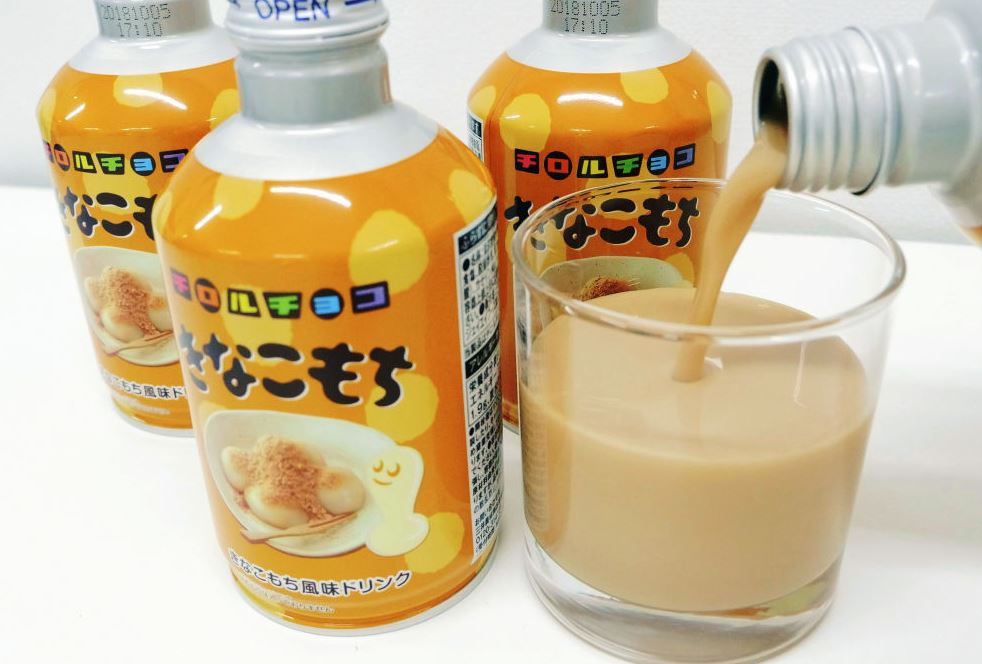
Made from kinako, a roasted soy flour, it is a kind of vegetable milk that is used for cooking or baking, for example to make the typical sauce of the recipe of mitarashi dango.
The drink itself can be drunk hot or cold, and has a very sweet and delicious taste. It's like taking a dango in drink, since it is what provides the flavor that characterizes this Japanese dessert.
Oshiruko
With a thicker texture, it is a kind of sauce or bean mash azuki. It is a vegan drink that is very popular.
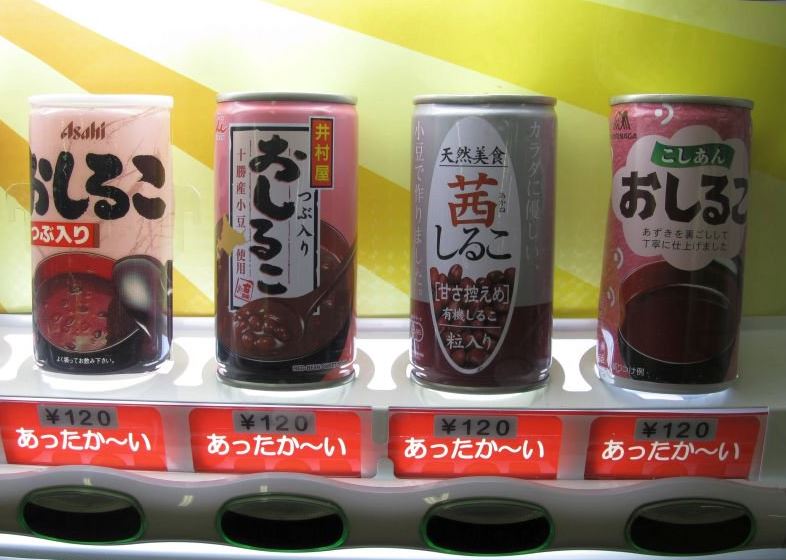
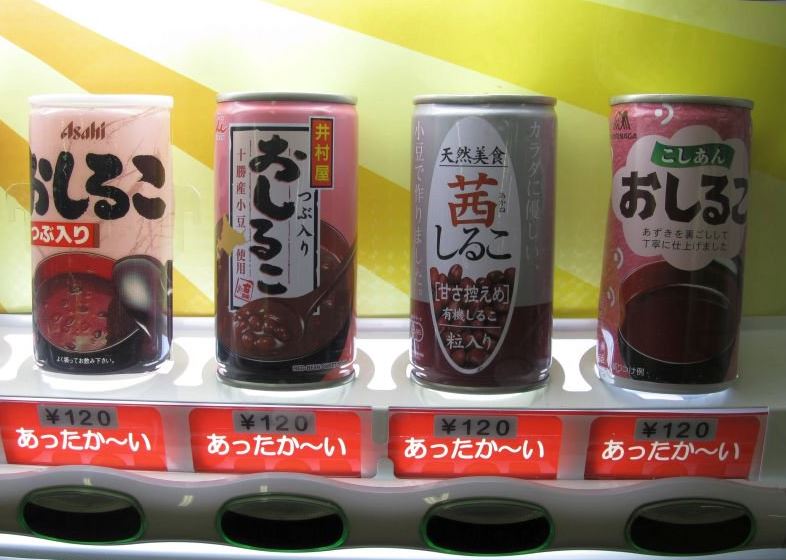
In winter it is marketed as a hot drink, and can be found in vending machines to taste as an aperitif or for dessert after eating.
In the Japanese pastry shops and cafes It is usually done in a traditional way, cooking the beans and then serving them in a cup or bowl.
Its presentation is as if it were a stew with the beans floating, but when you taste it it has a spectacular and unique sweet taste.
Water salad
Something weirder is the taste They have the Japanese drinks known as Water Salad. Coca Cola made one of the most famous, although at this time it is out of print.

They are a kind of flavored water, that instead of adding fruit flavor, it has flavor to the different vegetables and vegetables that are consumed of habitual way in the salads.
As if you were drinking one lettuce flavored salad, tomato, cucumber, carrot or pepper, trying it is quite an experience.
There are several types in the supermarket beverage area, and curiously they are quite popular among the Japanese. Would you dare to try them?
Aojiru
Something more natural, but with a very marked vegetable flavor, is the Japanese drink known as aojiru.
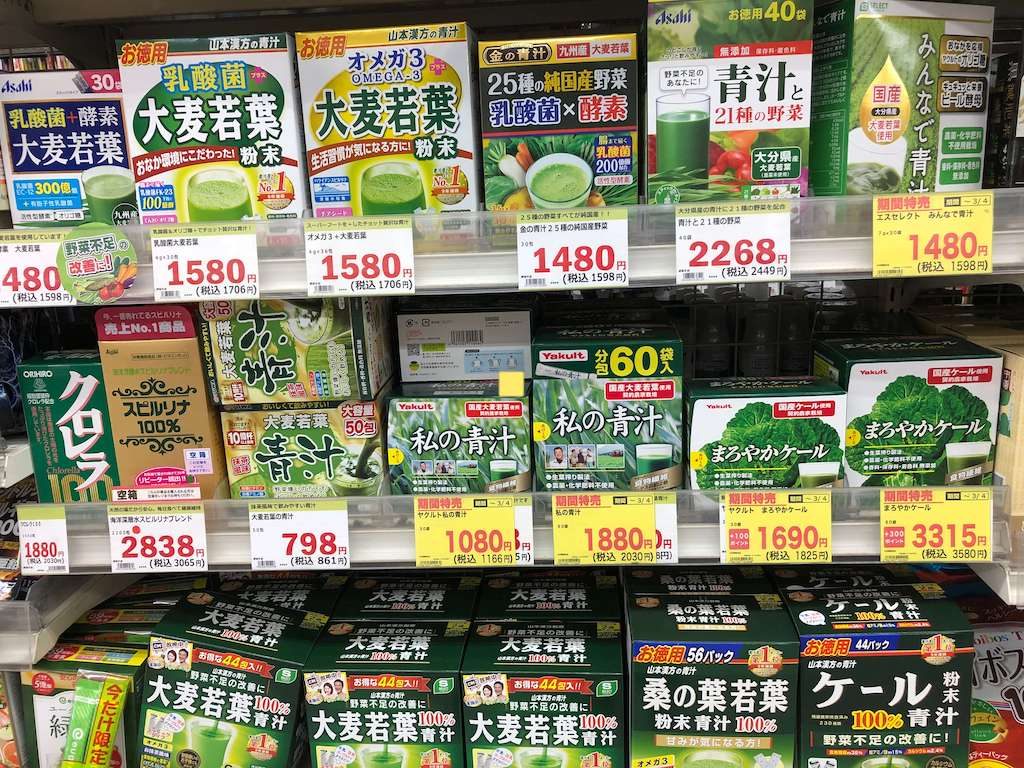
This vegetable drink is made with kale leaves or barley grass, crushed until obtaining a green juice rich in vitamins and minerals.
It is sold in small containers to drink as a nutritional supplement. It usually has a very intense green color, but there are also other varieties depending on the ingredients they contain.
Japanese sake
Sake is the quintessential Japanese wine. This alcoholic beverage is made through the rice fermentation, similar to brewing beer or wine.

You can taste both hot and cold, and throughout the country there are countless varieties of sake that are marketed worldwide, as well as small local producers.
Like wine, there is many kinds of sake in Japan. Some of the most common are:
- The junmai sake, made only with rice.
- The honjozo sake, with alcohol from beer.
- The hee-zake, handcrafted.
- The nigari-zake, which is an unfiltered sake, with a more opaque appearance and with a greater amount of sediment.
Discover the best guide for beginners about japanese sake clicking on this link from our blog.
Shochu
Shochu is another of the more traditional japanese drinks. In the Japanese country it has the same importance as sake. Although outside of it, it is somewhat less known.
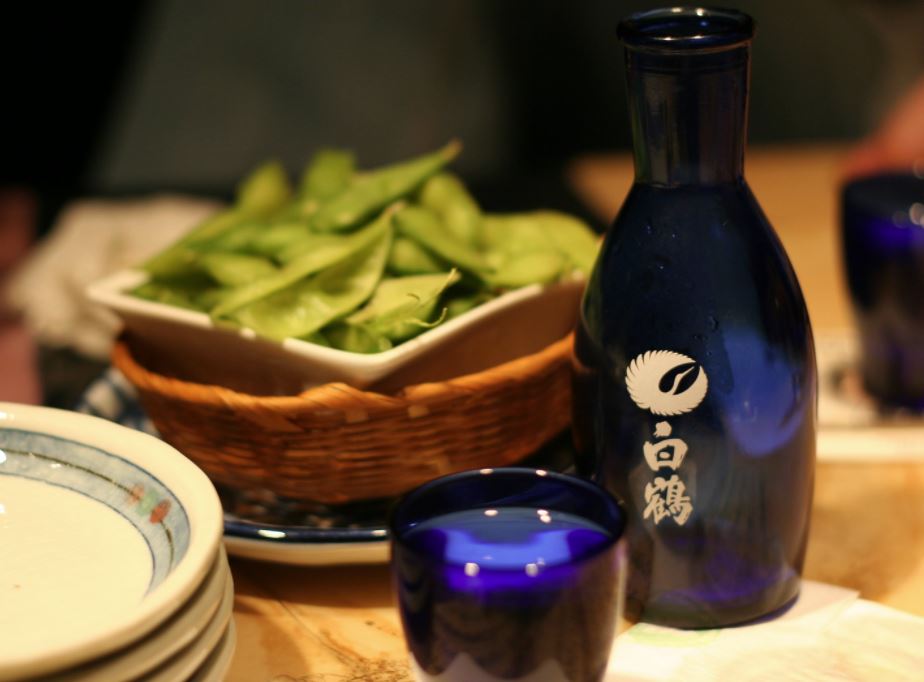
It's a distillate with higher alcohol content, which can range from 25 to 45% alcohol. It generally has a higher strength than sake.
It consists of a distillate that is made from fermentation of rice, potato or some cereals like wheat or barley.
In Japan it is consumed diluted with water, tea, juice or soda, since its flavor is very intense. This drink is used to make combinations that are widely consumed in Japanese bars and izakayas, such as awamori or chu-hai.
Hoppy
Hoppy is a Japanese drink that is produced for mix with sake or shochu. At first glance it looks like a beer, slightly carbonated and yellowish in color.

However, its flavor is slightly sweet. It is not like a soft drink, but it adds a different flavor to water or tea when combined with alcoholic beverages.
Many Japanese also enjoy this drink alone. They take it with food as if it were a sparkling water, with a very pleasant and light flavor.
They usually serve it in all the izakayas Japan as a general rule.
Umeshu
Umeshu is a Japanese liquor made from fruits. The most common is plum, although it can also be found in other different fruits such as peaches or red fruits.
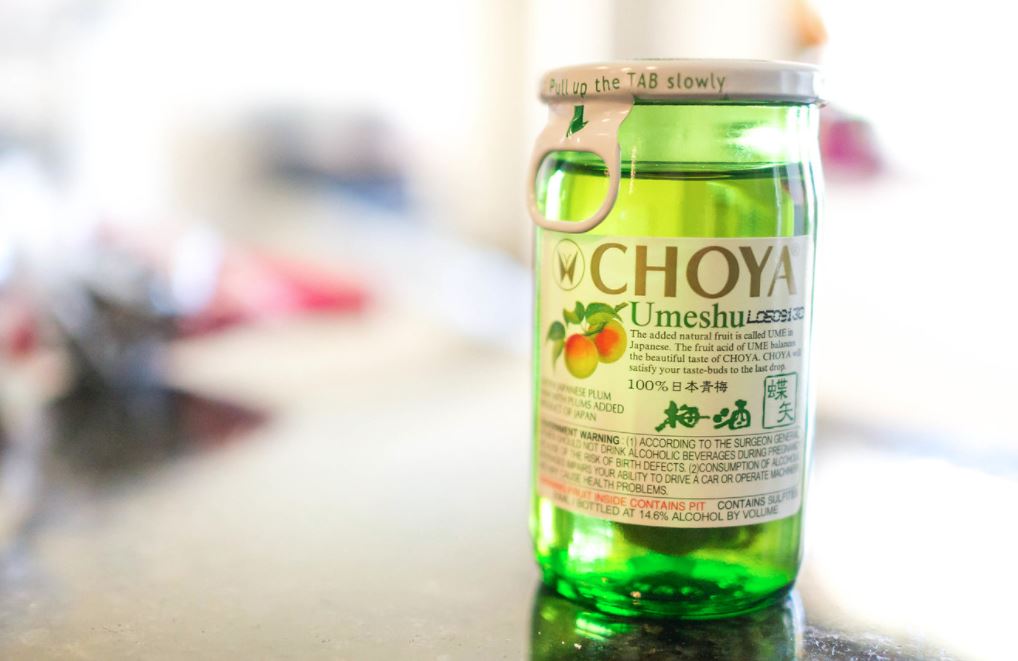
The preparation of this liquor with alcohol (over 10%) is so simple that it is done at home in many households in Japan.
Just add Japanese plums, called ume, to a mixture of shochu and sugar to ferment and obtain a delicious honey-colored liquor.
The Japanese take it alone, although they also reduced with sparkling water or a soft drink.
Happoshu
With a production similar to beer, this typical drink from Japan has malt as main ingredient.

But it is not considered as beer because malt extract is less than 67%, which is the minimum amount considered in the Japanese country to be included in this category of drink.
Happoshu is a drink similar to japanese beer, with a milder flavor and a delicious aroma. The alcohol content is lower, and therefore the price compared to other alcoholic beverages is cheaper.
Do you want to know which ones are considered as the best japanese beers? Do not miss this post from our Alternative Japan blog.
Amazake
Although there are many more typical Japanese drinks that you can find throughout the Japanese country, in our list of the most common we want to end with another of the most traditional.
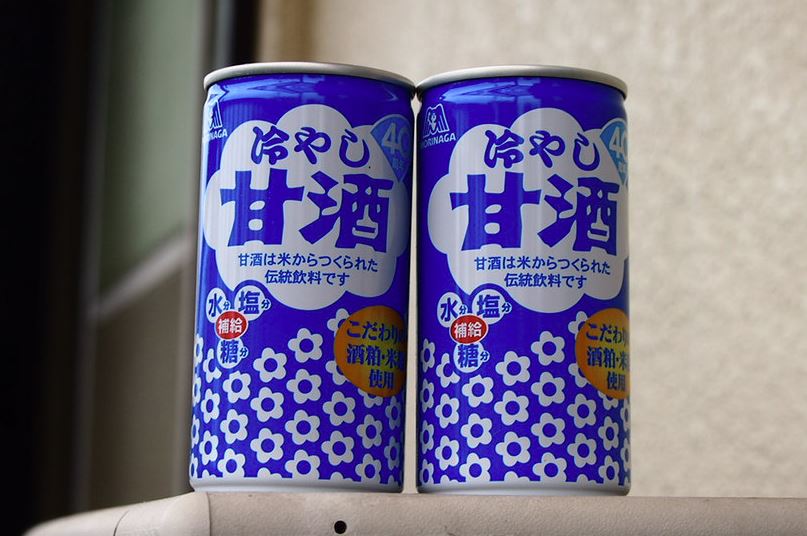
Amazake is a drink obtained from the fermentation of rice, adding an extra sugar that gives it a characteristic sweet flavor.
Its flavor and textures are very different from those of rice sake. In Japan it is eaten as an aperitif or dessert, as well as ingredient for desserts and sweets.
In stores it is sold packaged in small sachets to drink directly, and it is also served in street food stalls to drink cold or mixed with hot water.
And for you, what is the best Japanese drink?
We know that all these Japanese drinks do not have to be to everyone's liking, but without a doubt, trying them supposes an extraordinary experience which is very worthwhile.
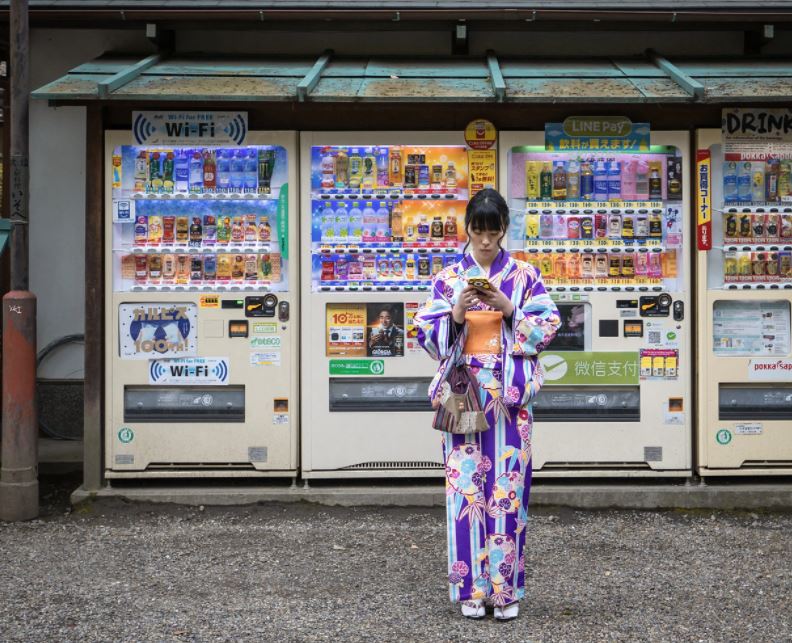
Go ahead and discover which are the favorite drinks in Japan, and do your own research to find the one that best suits your tastes.
And you, do you know any other traditional Japanese drinks worth trying? What has been your experience traveling in Japan? Do not miss other things you can buy in Japan. Lastly, you can buy any of these drinks through the Internet at the following link.
Buy Drinks
Passionate about travel and completely in love with Japan. Never has a country conquered me so much. Join our group of Backpackers in Japan on Facebook or our whatsapp group and interact with other travelers. Get the best discounts and bargains in groups! Do you have any question? Enter the groups and solve your doubts with other users 🙂
👇 Can you help us keep alive Alternative Japan? Thank you! 👇 
🎌 Do you want the best organized trip to Japan in Spanish? The best value for money and with Spanish guides who live in Japan 🙂
✅ Upcoming departures: 2021
🏯 Fixed itineraries, tailor-made, excursions and much more. Request information clicking here 👌
Leave a Reply