
The 11 foods richest in potassium (and their benefits)
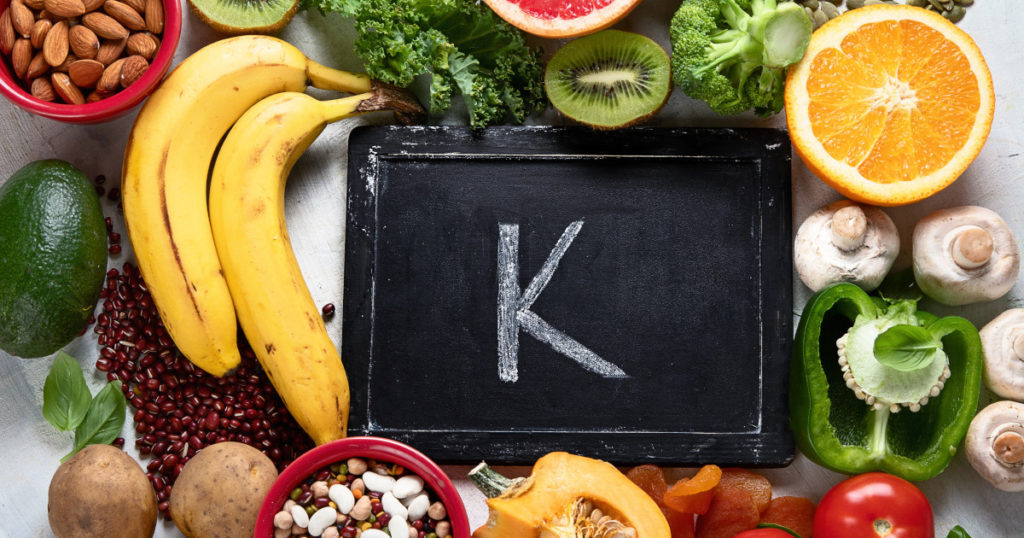
Potassium is one of the minerals with the greatest presence in our body, only surpassed by calcium and phosphorus. Potassium is involved in the regulation of fluids, blood pressure, and muscle contraction and relaxation. In addition, this mineral is closely related to sodium, since it limits the possible harmful effects that can appear with a diet high in this component.
The importance of potassium in our body
When our diet is low in potassium, it is common for certain characteristic symptoms to appear, such as muscle weakness, nausea, vomiting and even heart problems. This is not surprising since potassium is involved in numerous functions:
- It is one of the components that make up our bones.
- It favors the balance between substances at the intra and extracellular level.
- It is involved in the synthesis of proteins.
- It is involved in the transmission of nerve signals.
- Participate in muscle contraction.
- It collaborates in the metabolism of carbohydrates.
- It favors the normal growth of the organism.
Therefore, it is crucial to obtain the necessary amounts of potassium through the diet. This mineral is present in all kinds of foods, from vegetables and fruits to legumes and meats.
Potassium is absorbed during digestion by the small intestine, although a significant part is expelled through the urine. In addition, it is known that some substances such as sugar, caffeine, or alcohol promote the loss of greater amounts of potassium. On the other hand, those with kidney problems or a poor fluid intake tend to show high levels of potassium in the blood.
Therefore, there are people who need to adjust their diet in order to ingest amounts of potassium appropriate to their particular needs. For example, those with high blood pressure or taking diuretics should ensure that they consume higher than average amounts of potassium. However, those with kidney disease will need to limit their daily potassium intake to minimal amounts.
Due to the importance of potassium for the proper functioning of the body, in this article we are going to review those foods that are richer in potassium.
What are the best sources of potassium?
As we have been commenting, potassium consumption should be adjusted according to the needs of each individual and their particular health condition. In this list you will find the foods richest in potassium, so that you will be able to know which products to prioritize in your diet if you want to increase your levels of this mineral or which ones to avoid if you want to reduce them.
1. Pistachio
Pistachios are a delicious and highly nutritious dried fruit. Although it is true that it is one of the most caloric, controlling the amounts can be a very healthy snack. In addition to being rich and healthy, the pistachio is an important source of potassium. In a handful of 50 grams we can ingest almost a third of the daily amount recommended of this mineral.
2. Natural yogurt
Yogurt is one of those foods that most people consume as a staple in their diet. It is well known that this dairy offers us good doses of calcium and protein. However, what few know is that it is also an excellent source of potassium. However, not all yogurts you find in the supermarket are the same. Try to opt for quality dairy in its natural version, without frills that add unnecessary sugars to the product.
3. Potato
Potatoes are another pantry staple that can be an essential source of potassium. However, the way in which they are consumed will largely determine the use we make of their properties. Ideally, you should try not to over-salt the potato, that you consume it in its least greasy forms (cooked, roasted, steamed ...) and that you keep the skin on.
4. Banana
Banana is one of those products whose potassium content is well known. This is not by chance, as it is about the fruit with the highest content of this mineral, followed by others such as melon, kiwi or apricot.
As we have already mentioned, potassium is one of the great allies of muscle activity and heart function. For this reason, it is a very popular food among athletes due to these benefits, especially during training. There are different varieties of this fruit, the Canarian banana being the most interesting in this regard, compared to other types less rich in this mineral.
5. Kiwi
Kiwi is another of the fruits with the highest potassium content. This fruit is the perfect ally to achieve adequate blood pressure levels and also to contribute to intestinal transit. Like other fruits, kiwi allows not only to obtain potassium but also good amounts of vitamin C, making it a product full of properties that deserves to be at the base of your diet.
6. Mushroom
The mushroom is another of those foods with a great contribution of potassium. What's more, this product is a great antioxidant that can not be missing in your kitchen due to its delicious flavor and its versatility. You can consume it both in its raw version (salads, carpaccios ...) and cooked (scrambled, fried, stewed ...).
A similar product in terms of its properties is the truffle, and although this product is a delight, its price is very high and therefore it is usually consumed occasionally. On the other hand, the price of mushrooms is quite cheap and you can get them very easily.
7. Cabbage
Cabbage is a vegetable that is among those with the highest potassium content, regardless of its variety. In addition, cabbage is known for its anti-cancer benefits. To take full advantage of their excellent properties, it is recommended to consume them raw or minimally cooked. If this vegetable is not a saint of your devotion, you can try to consume it combined with other vegetables or dress it with vinaigrettes and light sauces.
8. Spinach
Spinach is another of the green leafy vegetables rich in potassium. As with cabbage, it is more interesting to consume them raw, since in this way they are kept making the most of their properties. Try consuming them as a base for your salads, as a dressing on sandwiches, in smoothies with other vegetables and / or fruits, etc.
9. Broad bean
Fava beans allow us to obtain good amounts of potassium. Like the rest of legumes, beans are a key element in the diet to keep tension at bay and avoid the dreaded fluid retention. Fava beans can be eaten peeled or cooked. To make them more tasty, they can also be seasoned with vinegar or extra virgin olive oil.
10. Watermelon
Watermelon is undoubtedly one of the most appetizing fruits when the heat is on. With a couple of small pieces you can ingest generous amounts of potassium. In addition, the advantage of this fruit is that it has a low calorie content, making it a very healthy and useful alternative in low-calorie diets in which potassium is required. In addition, watermelon is a highly versatile product, since it can be consumed as is or prepared in the form of salads, smoothies, gazpachos and even natural ice cream.
11. Avocado
This product has become very fashionable in recent years, which is not surprising, since it is a food full of benefits. Avocado far exceeds banana in potassium content, to which should be added its richness in healthy fats and vitamin E. Eat it in salads or prepare more elaborate recipes, such as a delicious homemade guacamole.
Conclusions.
In this article we have reviewed those foods with the highest potassium content. Usually, potassium is a fundamental mineral for the proper functioning of the body, since it is involved in central functions due to its role in cardiac function, movement or nerve impulse transmission.
Despite its relevance, not all people need to consume the same amount of this mineral. Some medical conditions require a below-average consumption or vice versa, so those with certain pathologies should consult with their doctor to assess their particular nutritional needs.
Diet is key to getting adequate potassium levels, for the It is necessary to identify those foods that offer a greater contribution of this mineral. Some, like the banana, are very popular as foods with a good content of potassium, although it is by no means the greatest source of this mineral that we can find. Other lesser-known foods, such as watermelon, pistachio or yogurt, are great allies in this regard and are also easy to find in any supermarket.
Currently, the World Health Organization (WHO) recommends ingesting 3510 mg of potassium daily. However, as we have been saying, it is an approximate average amount, so each person should assess with a professional what dose of potassium they need each day. Potassium levels must be balanced. That is, they must not be too high or too low. Low levels can lead to dizziness, nausea, or problems with heart function. However, an excess of potassium can also have unpleasant consequences, also altering the normal heart rate.
Sometimes the fault is not only that the person ingests too much potassium, but that he does not excrete all the amount that he should or the balance between the intra and extracellular environment is broken. However, the most common is that the problem is located in the excretion process, so that the kidney does not filter all the amount of potassium that it should, so it is not eliminated in adequate doses.
Leave a Reply