
The 50 most effective medicinal plants (and how to use them)
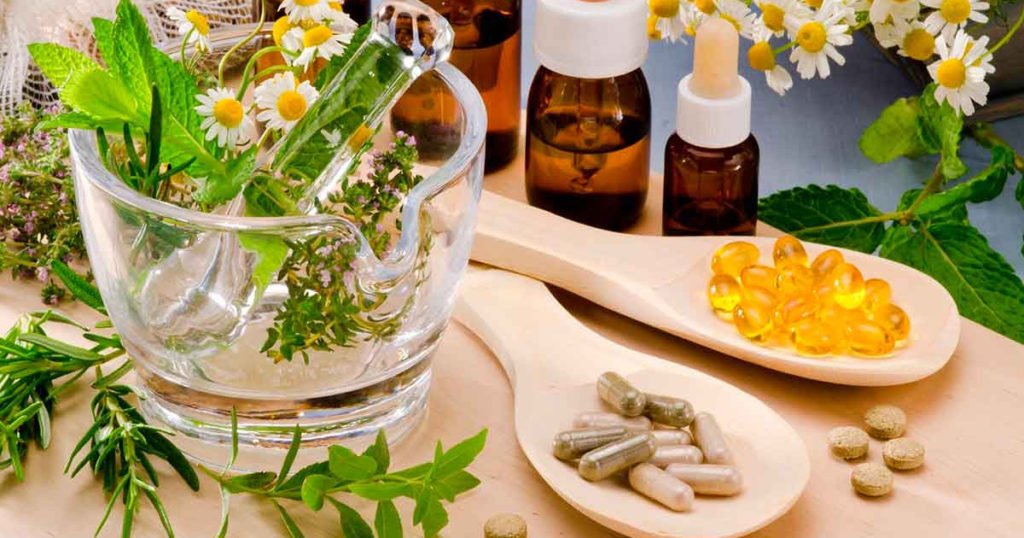
Alternative medicine is getting worse and worse in society. And to a certain extent it is understandable. From this same portal, we have often argued that it can never replace a clinical or pharmacological treatment. And it is that alternative medicine neither evolves nor is it a science, since it is not based on the scientific method.
But this does not mean that it is bad. What's more, alternative medicine can be used within a conventional treatment to alleviate symptoms or alleviate some complications. Its efficacy is not as certain, but this pseudomedicine may have positive effects in some people.
And within alternative medicine, the consumption of those known as medicinal plants or herbs are, without a doubt, one of the most common practices. We know that they cannot replace drugs, but if they have been used for centuries, at the very least we should pay attention to them.
There are countless medicinal herbs whose consumption can bring benefits that, although they will never replace those of a medicine, can be a good complement to help us lead a healthier life. So, in today's article, we will offer a selection of the most famous medicinal plants, indicating how they should be consumed and what are their positive effects on the body.
What are the best medicinal herbs and what effects do they have?
By medicinal herb we mean any plant or part of a plant that has historically been used to treat human diseases or to heal injuries before the development of modern medicine.
Currently, these medicinal plants, although they cannot replace a conventional treatment, can be positive as a complement to them or to, although not scientifically measurable, improve health as long as a healthy lifestyle is followed. Let's see, then, the best medicinal plants that we can find in the market.
1. Chamomile
Surely the most famous. Chamomile, also known as common chamomile, is a medicinal plant that promotes digestion, helps to relax, reduces pain associated with arthritis, reduces skin inflammations, helps heal wounds, reduces muscle spasms, reduces nausea, reduces the discomfort of menstruation, lightens hair and reduces allergy symptoms. It is usually consumed in the form of an infusion.
2. Purslane
Purslane is a succulent plant that can help improve cardiovascular health, it has antioxidant properties, it can help you sleep better, it can relieve headaches, it can promote bone health, it can help solve some inflammatory problems in the skin, it improves the intestinal transit, can help fight infections, can help improve anemic states and is diuretic. It can be consumed both fresh in salads and cooked, as well as in sauces and soups.
3. Agave
Agave is a medicinal plant especially used to heal wounds and sores, as its sap, which also stimulates the intestinal flora and lowers cholesterol levels, may have antiseptic properties. It must be taken into account that, in some cases, it can cause dermatitis reactions.
4. Passionflower
Passionflower is a medicinal plant with analgesic properties and that it can calm gastrointestinal problems, help treat burns and inflammations, lower blood pressure, reduce heart rate and fight insomnia.
5. Garlic
Garlic, in addition to being one of the culinary ingredients par excellence, is also a medicinal plant that strengthens the immune system, improves blood circulation and has antioxidant properties, reducing the rate of cellular aging.
6. Carrot
The carrot can also be considered as a medicinal plant, as it has properties that improve intestinal transit (it is antidiarrheal, but in excess it has just the opposite effect), it fights colds and it can help reduce the symptoms of hormonal disorders.
7. Thyme
Thyme is a medicinal plant that can help treat respiratory tract infections (improve symptoms, actually), stimulates appetite, has antiseptic properties, and is rich in vitamin C, iron, magnesium, and flavonoids.
8. Sage
Sage is a medicinal plant that is consumed in infusions to relieve stomach problems, promote ulcer healing, activate blood circulation, improve the symptoms of diabetes and improve the health of the nervous system.
9. Aloe vera
One of the most famous. For a while, aloe vera seemed to do everything. It is a plant with anti-inflammatory properties that helps to treat wounds and burns, in addition to that, if ingested, it improves intestinal function and stimulates the immune system.
10. Parsley
Parsley is a culinary ingredient with medicinal properties, as help boost the immune system, reduce bad breath, reduce dandruff problems and reduce acne. Obviously, we remember that neither this nor any other plant substitutes for a clinical treatment.
11. Nettle
The nettle has a bad reputation since its leaves cause hives, but in reality it is a medicinal plant that not only can help fight anemia due to its high iron content, but also due to its vasoconstrictive properties, it helps stop bleeding.
12. Oregano
Oregano is one of the most popular spices in the kitchen, but it also has medicinal plant properties. It has antioxidant, antibacterial, antifungal, anti-inflammatory effects and also improves the symptoms of allergies, as well as stomach, headache and mouth pain.
13. Melisa
Lemongrass or lemongrass is a medicinal plant that stimulates digestive function, relaxes the nervous system and has vasodilator properties. It has a powerful smell and fresh green leaves are usually consumed.
14. Mint
Peppermint is a medicinal plant that is used to improve digestive function, calm the symptoms of gastrointestinal disorders and reduce the symptoms of colds. It can be taken as an infusion or by eating the fresh leaves.
15. Lavender
Lavender is a medicinal plant that, due to its relaxing properties, can be used to combat both stress and insomnia. In addition, it improves digestion, promotes blood circulation, stimulates the health of the respiratory system and has analgesic properties.
16. Jasmine
Jasmine is a plant that, in addition to having an exquisite perfume, has medicinal properties, accelerating metabolism, stimulating the elimination of toxins and reducing stress. It has also been said that it helps fight depression, but from here we have to say that it is not true. Depression needs psychiatric and psychological treatment.
17. Rosemary
Rosemary is a medicinal plant that is used to treat dandruff and to leave hair looking shiny and healthy. In addition, it seems to be positive for solving digestive problems, lowering blood pressure and stimulating the nervous system.
18. Fennel
Fennel is a plant native to the Mediterranean regions that has medicinal properties such as diuretics, promoting the expulsion of gases and improving digestion.
19. Dandelion
Dandelion is a plant with a high iron content and medicinal properties, being especially indicated to improve diuresis, promote the elimination of toxins from the blood and improve the symptoms of kidney and liver problems. Keep in mind that it is contraindicated for pregnant women.
20. Peppermint
Peppermint is a medicinal plant that is usually taken in the form of an infusion and that is useful to relieve stomach pains, treat diarrhea, promote the elimination of gases and reduce the pain associated with menstruation.
21. Ponytail
Horsetail is a medicinal plant that is often used for the treatment of urinary tract infections or cystitis, as well as to improve the health of the skin and nails, control bleeding and stimulate the elimination of toxins.
22. Tila
A classic. Linden is a medicinal plant with relaxing properties that It is taken as an infusion or directly from the flower, being useful to relieve stress, promote sleep and eliminate toxins from the body due to its diuretic properties.
23. Burdock
Burdock is a medicinal plant that appears to have positive properties for treating the common cold, reducing arthritis symptoms, and improving dermatological problems.
24. Celery
Celery is a medicinal plant that has diuretic properties, which fight constipation, which relieves heartburn, helps reduce cholesterol levels and provides good amounts of calcium.
25. Guaco
The guaco, also known as liana, is a climbing plant with medicinal properties, especially in terms of reducing inflammation.
26. Herb of St. Simon
The herb of San Simón is a medicinal plant that has been traditionally used both to alleviate the symptoms of rheumatic diseases and to reduce fever.
27. Kadsura longipedunculata
Kadsura longipedunculata is a medicinal plant native to China and parts of Southeast Asia that is often used to treat gastrointestinal problems, improve digestion and help treat infections.
28. Khat
Khat is a medicinal plant that has traditionally been used as a psychostimulant, although its weak use makes it legal in most countries. However, it seems that its excessive use can cause, in the long term, cognitive damage.
29. Kaempferia rotunda
Kaempferia rotunda is a medicinal plant that is usually applied dermatologically, on the skin itself, to help solve itching and inflammation problems.
30. Rush of mats
The reed of mats is a typical medicinal plant of Western Asia that is often used to increase vitality and energy, apparently having good effects on people who tend to feel tired.
31. Apong-apong
The apong-apong is a tropical tree and some of its parts have traditionally been used as a medicinal plant to help eliminate parasites such as lice or scabies from the body.
32. Wild lettuce
Wild lettuce is a medicinal plant that, due to its psychoactive properties, can be used as a sedative. Even so, its use is only recommended in very specific contexts and, in fact, it is prohibited in many countries.
33. Eucalyptus
Eucalyptus is a medicinal plant that has traditionally been used to treat respiratory diseases by facilitating the secretion of mucus and to lower blood sugar levels. It is one of the most popular medicinal herbs.
34. Ginger
Ginger is the root of a plant that is used for its anti-inflammatory and antioxidant properties and because it speeds up metabolism, is effective against dyspeptic disorders and nausea, helps fight infections, protects the oral cavity, relieves muscle pain, reduces symptoms from arthritis, relieves menstrual cramps, lowers cholesterol and lowers blood sugar levels.
35. Konjac
Konjac, also known as the devil's tongue, is a medicinal plant native to China that is used, thanks to its high fiber content, as a stimulator of intestinal function. It is also often used as a substitute for products of animal origin to make gelatin.
36. Castor bean
Castor oil is a product that, despite its bad taste, is consumed orally as a purgative. Of course, the preparation must be very meticulous by an expert, since its seeds contain a powerful poison that has to be eliminated.
37. Water vine
The water liana is a climbing plant native to Central America that is used for its medicinal properties to treat bleeding and seizures.
38. Elm
Elm is a tree whose bark is used as a medicinal plant thanks to its dietary properties and for the treatment of both sore throats and bacterial infections.
39. Ginkgo biloba
Ginkgo biloba is a medicinal plant whose leaves appear to have positive properties when it comes to improving memory, stimulate concentration, enhance cognitive performance, improve blood circulation and offer antioxidant effects. However, there is a lot of controversy about its effectiveness.
40. Mate
The plant with which mate is prepared, the typical Argentine drink, also has medicinal properties. It is a good antioxidant, improves the immune system, helps reduce blood cholesterol levels, is a diuretic, promotes physical and mental performance and has stimulating effects.
41. Ruda
Rue is a medicinal plant that is used to prepare essential oils that appear to have positive effects on induction of sedation, relaxation and reduction of spasms is concerned.
42. Kava
Kava is a medicinal plant native to Polynesia whose roots are used to make mixtures and preparations for oral consumption with sedative and even anesthetic effects.
43. Dill
Dill is a plant whose seeds are used for their medicinal properties when it comes to reduce pain associated with menstruation and treat spasms. In this context, it is consumed in the form of an infusion, but it can also be applied to the skin to treat wounds and burns and to stimulate skin regeneration.
44. Wormwood
Wormwood, also known as bitter mugwort or holy herb, is a medicinal plant that is not only used as an aperitif or as an ingredient in alcoholic beverages such as absinthe, but also appears to have positive properties when it comes to resolving parasitic infections.
45. Poppy
Poppy is a plant from which morphine and codeine are obtained, so it can be considered a medicinal herb that, due to its powerful analgesic properties, is used to relieve moderate to severe pain.
46. Foxglove
Foxglove is a medicinal plant that, due to its content of digitoxin and digoxin, used to promote blood circulation, stimulate diuresis and, therefore, the elimination of toxins from the body.
47. Sandalwood
Sandalwood is a medicinal plant with antiseptic properties, so its cutaneous application is positive to help disinfect wounds. Similarly, its oral consumption has positive diuretic effects.
48. Ginseng
Ginseng is a medicinal plant that is consumed in the form of an infusion and that has properties such as increasing energy, increasing vitality, boost the immune system and lower blood pressure.
49. Pennyroyal mint
Pennyroyal mint is a medicinal plant that is taken in the form of an infusion and that has been traditionally used to improve digestion, stimulate the absorption of nutrients at the intestinal level and increase appetite
50. Yucca
Yucca is a shrub whose roots are used as a medicinal plant to increase metabolic rate and, therefore, to be able to be positive when it comes to losing weight. Even so, it must be taken into account that it provides few nutrients and that, in large quantities and with vitamin deficiencies, it can cause problems.
Leave a Reply