
extensive agriculture

The farming It is the set of processes and knowledge that allow the land to be cultivated and cultivated. The adjective extensive, for its part, qualifies what can be extended to other things.
The idea of extensive agricultureIn this framework, it is linked to agrobusiness operation what not intended to maximize soil yield through the use of agrochemicals or infrastructure, but is committed to the use of resources that the nature offers in the area. That is why extensive agriculture is the opposite of intensive agriculture, which implies an intensive use of resources (inputs, workers, etc.) to increase the yield per hectare.
Extensive agriculture, therefore, provides a low yield per hectare but, as it is developed in very large areas, it allows to obtain a large production. Although many times it is an organic agriculture, without chemical products, sometimes this system of exploitation does not respect the environment.
In cases where the producer does not have the money to invest in technology or the soil is poor, extensive agriculture is common. The extension of the land allows to obtain a good yield per unit of work, even when the yield per hectare is very low.
The intention of obtaining a high yield in the short term makes industrial farms turn to intensive agriculture, using large machinery, chemical fertilizers and pesticides, and advanced irrigation systems. Beyond this choice, extensive agriculture offers greater sustainability in the weather.
Extensive rainfed agriculture
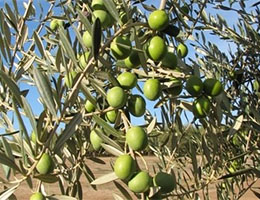
It is called rainfed agriculture which does not depend on the irrigation of the field by the human being, but takes advantage of the Water coming from the rain exclusively. It goes without saying that a practice of this type fits perfectly into the extensive agriculture scheme, which does not seek by all means to take advantage of every square centimeter of land.
The weather Tropical is preferred for its application, and we can find it in various regions of the American continent, as well as in Asia, Africa and the Iberian Peninsula.
In the Mediterranean region, which makes up Northern Africa, Western Asia and Southern Europe around the Mediterranean Sea, the most common crops of extensive rainfed agriculture are the following:
* cereals: wheat, barley, millet, rye and oats;
* legumes: peas, peanuts, broad beans and chickpeas;
* fruit trees: olive, almond and apricot tree;
* horticultural: melons, onions and tomatoes.
To this list we can add trees like the carob, whose fruit is widely used both in gastronomy and in feeding animals, and the vine, of incalculable importance in the industry since it allows the manufacture of wine. Precisely, the three most important crops in the Mediterranean are vines, olive trees and wheat.
If we focus on olives, for example, those grown in this way have a higher yield than irrigated; The reason is that by not having so much water, its content of oil Is higher.
This type of extensive agriculture receives different names in each part of the world: in Chile, for example, it is called roll agriculture; in the hemisphere north, on the other hand, it is common to find it as rainfed agriculture, and is practiced between the months of April and September.
Of course, like all methods and systems, extensive rainfed agriculture has its weaknesses and is not suitable for any type of crop or for any producer. One of its most obvious disadvantages is the possibility that the rainy seasons are delayed, something that can be fatal for the sowing and lead to social problems such as famine.
Leave a Reply