
alveoli
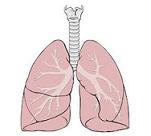
The alveoli, a term that can also be pronounced with the accentuation socket, They are small cells, boxes, cavities or holes. The most common use of the notion is in the field of anatomy and biology.
The pulmonary alveoli Are the small terminal pits of the bronchioles. In them, the exchange of gases between the air that was inhaled and the blood. These alveoli resemble sacks, where the body manages to get the oxygen it needs to function.
Through the same opening, gases enter and leave the pulmonary alveoli. In a human being As an adult, the lung houses about 750 million alveoli.
It is called dental socket, on the other hand, to the cavity of the jaw where the teeth are inserted. These dental alveoli, which are separated through the bony interalveolar septa, are compartments that exist in the alveolar bone.
On the alveolar bone, the three regions of dental socket appear: the first is formed by the so-called cortical plates, of great resistance. Then there is the spongy layer, which lines the plates. This spongy layer, in turn, surrounds the alveolar layer, which is the bone in itself.
The cortical alveoli, on the other hand, are organelles of certain cells, to which they provide support. They are found below the plasma membrane and are made up of vesicles.
Inflammation of the alveoli is known as alveolitis. This particularity can affect the pulmonary alveoli (for a allergy, for example) or tooth sockets (due to infection).
Dry socket: definition and treatment
It is known by the name of dry socket to a complication that occurs in an average of 4% of patients who undergo tooth extraction. This disorder appears after the intervention, that is, in the postoperative period. In general, this problem occurs after the extraction of the wisdom teeth, since they are the most complicated to manipulate and this operation it carries a greater degree of "violence."
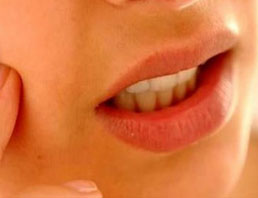
In the hole that remains after the extraction of a tooth, the socket, a blood clot usually forms, which has the main function of protecting this region of the gum; If it falls apart or does not form, then the alveolus is exposed and its vulnerability increases to the potential attack of external agents, sure sources of inflammation and pain.
The symptom of alveolitis are easy to detect, especially because it appears just after a surgical intervention in the mouth: from the first 24 hours a pain begins in the area of the alveolus, which usually improves momentarily and then becomes sharply acute. In normal cases, the discomfort should not last for more than 15 days.
There is a clear list of factors that increase the chances of alveolus inflammation, so it is important to know them in order to prevent it. Two issues that the patient cannot control are the difficulty of the intervention and the degree of surgical trauma, since they depend on the characteristics of their mouth and also on the skill of the dentist. On the other hand, there are smoking and the consumption of oral contraceptives, which can be avoided.
When the pain in the socket spreads too much and does not subside, then it is necessary to visit the dentist to apply the treatment proper, which usually begins with a serum rinse to get rid of residue. Analgesics, antibiotics, and anti-inflammatories are very useful to treat dry socket, as well as daily washes with serum, whenever indicated by the doctor.
Leave a Reply