
alkalosis
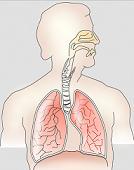
Alkalosis is a medical concept that is used to name the excess alkalinity in the bloodstream. Alkalinity, for its part, refers to alkaline: which has the metallic hydroxyl called alkali.
Returning to the notion of alkalosis, it is a condition that arises from the increase in the alkalinity of the blood, which happens to present an excessive level of alkali (a base). The opposite is the acidosis, a condition derived from the increase of acid.
Alkalosis thus reveals a water-electrolyte-type disorder. As the kidneys and lungs are responsible for regulating the level of bases and acids in the body, these disorders are linked to a rise in the amount of baking soda or a fall from carbon dioxide.
When a high level of bicarbonate is registered in the blood, there is talk of metabolic alkalosis. In this case, it is possible to differentiate between hypokalemic alkalosis (the kidney reacts to the loss of potassium due to a diuretic or other cause), the hypochloraemic alkalosis (kidney reaction to the drop in chloride level, which may be due to vomiting) and the compensated alkalosis (The body manages to balance bases and acids, despite the fact that carbon dioxide and bicarbonate are still in abnormal amounts).
The respiratory alkalosisOn the other hand, it arises when an individual is in a place with little oxygen (for example, at a very high altitude). This reduction in oxygen in the blood promotes breathing and it results in the excessive loss of carbon dioxide. To compensate for the alkalosis, the kidney drives an increased excretion of bicarbonate.
With respect to symptom of alkalosis, the list is relatively long and includes the following:
* confusion, which can lead to a coma or stupor, term that in medicine It is defined as a decline in intellectual functions that occurs in conjunction with an apparent attitude of indifference or amazement;
* tremors in the hands;
* loss of balance and dizziness;
* nausea and vomiting;
* muscle fasciculations, that is, slight contractions of the muscles that occur involuntarily and do not generate the movements of the limbs but can be seen under the skin;
* prolonged muscle cramps, also known as muscle spasms. It is the result of the involuntary tension of the muscles without being followed by the corresponding relaxation;
* tingling or numbness in any limb, such as the feet or hands, or the face.

With regard to the characteristics of a medical consultation focused on alkalosis, it is normal for the doctor to perform a physical examination of the patient and ask questions related to the symptoms that he has noticed. You can then ask him for the following two exams from laboratory:
* an arterial blood gas, a measurement of the level of oxygen and carbon dioxide in the blood, which also serves to know its degree of acidity;
* basic metabolic tests, among which the one of electrolytes, in order to confirm the presence of alkalosis and determine if it is metabolic or respiratory.
Treatment for alkalosis cannot be defined until the doctor has found the cause. If we take the case of alkalosis caused by hyperventilation, for example, the recommendation of place a paper bag in front of your mouth to breathe into it and thus ensure that so much carbon dioxide is not lost from the body. It is also possible to administer certain medications to solve the loss of potassium and chloride, among other chemicals. In general, patients with alkalosis manage to overcome it with the treatment indicated.
Leave a Reply