
reef
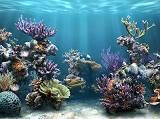
Reef is a concept that derives from an Arabic word that can be translated as "paved". The traditional use of the term, therefore, is linked to a highway, a road or a road paved or affirmed.
At present, however, the notion of reef is associated with bank formed by stones and polyperos animals in the sea, almost on the surface of the water. The most common reefs are Coral reefs, found in tropical waters.
For example: "We are going to go diving to the reef and, later, we will visit the hill that is next to the beach", "Climate change can affect the existence of many coral reefs", "They say it is the largest coral reef on the planet".
A coral reef is a solid structure that is formed from the stony coral accumulation. Thanks to the marine currents and the waves, the reefs receive an important flow of nutrients, which allows them to become the habitat of various aquatic species.
The reefs also act as a barrier to protect the mangroves and the coast in general from the waves, since they are located between the Beach and the open sea. Mangroves, for their part, protect reefs from sedimentation.
Coral reefs are found in waters whose temperature usually oscillates between 20º and 28ºC. That is why it is common to see them among the Tropic of Cancer and the Tropic of Capricorn, less than 50 meters deep, since there are the ideal climatic conditions for your growth.
The 10 most beautiful reefs on the planet
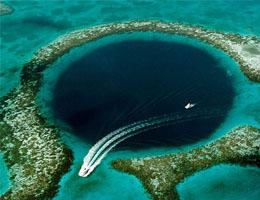
Between the landscapes submarines that can be visited, the reef undoubtedly occupies a privileged position; Given its immense beauty and the variety of its animal and plant species, it is very attractive for lovers of exploration and diving. Let's see the 10 most outstanding reefs in the world:
* Barrier Reef (Belize): it is a reef that is home to more than 300 species of fish and 60 of corals;
* Little Cayman Island Reef: combines the variety of species of fish with a series of beautiful coral gardens;
* Reef of the Andaman Sea (India)Among the more than 500 species of fish and 200 types of coral, it is a setting that offers variety and beauty that are difficult to match;
* Great Barrier Reef (Australia)It is home to more than 400 different kinds of coral and its extension exceeds 2,300 km on the Australian coast of Queensland;
* Raja Ampat Reef (Indonesia)- Unafraid of outperforming its competition in the number of marine species, it is home to over a thousand kinds fishes and about 600 corals;
* Tubbataha Reef (Philippines): UNESCO has declared this beautiful underwater landscape as a World Heritage Site;
* Palancar Reef (Mexico): located in Cozumel, one of the tourist destinations in Mexico, it offers an ideal environment for underwater activities, with a large number of canyons and caves, in addition to species such as barracudas and crabs;
* Aldabra Reef (Seychelles): it is distinguished by housing more than 150 thousand sea turtles, as well as rays and many species of fish;
* Grand Central Station and Chimneys (Fiji): with a rather peculiar name, it is one of the favorite places for the divers globally and is home to more than 400 species of coral;
* Roatán Reef (Caribbean Sea): it is visited especially by the various sponges that inhabit it, in addition to the impressive views it offers.
Leave a Reply