
aristocracy
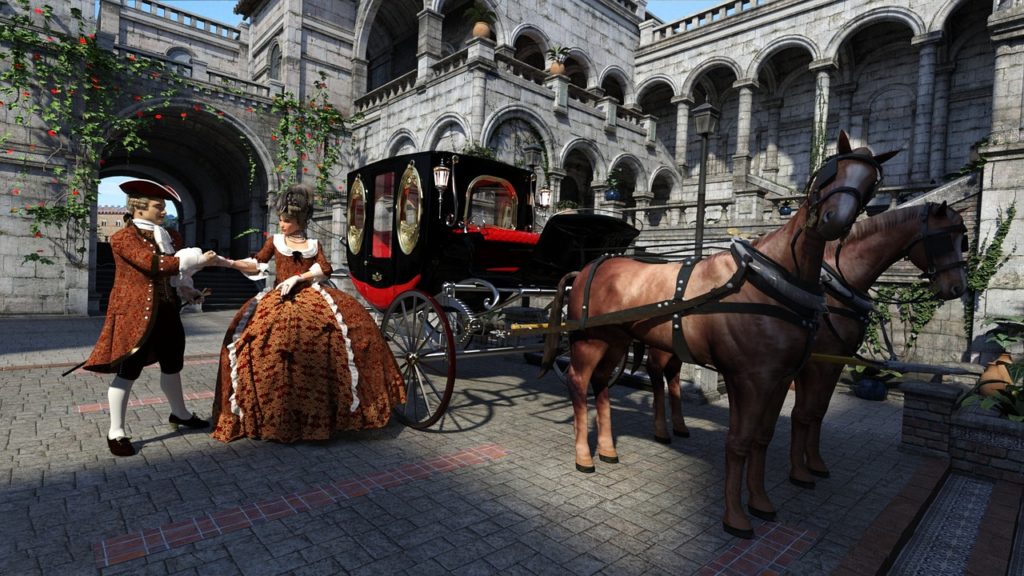
The idea from aristocracy comes from latin aristocracy, although its etymological origin is found in the Greek language (aristokratia). Specifically, this Greek word is the result of the sum of two clearly differentiated parts such as these:
-The word "aristoi", which can be translated as "the best" and was used by the Mycenaeans or nobles who held power in the government of the poleis during what was the period between the eighth and sixth centuries BC. to define themselves.
-The noun “kratia”, which is equivalent to “government”.
The Royal Spanish Academy (RAE) mentions as the first meaning of the term the form of government which is based on the exercise of power by the more capable.
That meaning that arose in ancient times was changing. At present, aristocracy is understood to be the class that holds economic and political power of a territory. Saying can it is hereditary and is always kept by the same group.
The aristocracy is usually linked to the nobility. On Europe, barons, counts, princes and kings are aristocrats: they belong to a wealthy class that has had political power for centuries. No citizen can be elected "King" for the rest of the inhabitants: only those who belong to the noble family of the ruling aristocracy can access said investiture, and following certain internal mechanisms.
In this case, it must be established that there are two different types of nobility that are worth highlighting:
-The nobility of blood, which is the one that is had by lineage, that is, the one that is inherited and passes from one generation to another. You can also meet those who have it as hidalgos.
-The nobility of privilege, which is what the king granted to those who had contributed to the maintenance of his kingdom through different ways. It was his way of thanking them for their support, support, and help.
Specifically, what members of the nobility had was a noble title. Today in Spain among the titles of this type are the greatness of Spain, the marquisate, the duchy, the viscounty, the county, the manor, the barony ...
In the same way, we can highlight that in that country the most important ducal houses and that come to show almost 200 ducats are Alba, Borbón, Peñaranda, Fernán Núñez, Medina Sidonia, Osuna or that of Medinacelli, among others.
In a democracy, however, there is also the aristocracy. Beyond the representatives of the people who govern by popular vote, there is a class that manages a symbolic power, usually associated with family wealth. These are individuals capable of influencing rulers through various pressures (for example, by threatening not to invest in the country).
It is possible that the aristocracy is associated with a certain economic sector. On Russia, to cite one case, oil exploitation led to the emergence of a new aristocracy, made up of billionaires who enriched themselves with this deal.
Leave a Reply