
Aberratio causae

The aberratio causae is the legal expression used to define the commission of a crime that has deviated from the way the perpetrator had planned.
This legal figure that means “error in the cause” is used for cases in which the perpetrator of a crime wants to commit a criminal act, but when he prepares and executes the acts leading to the desired result, he achieves that result, but at through another cause and not the one foreseen.
An example is wanting to commit the crime of murder, and when it is proposed to kill the person by means of a shot, the victim dies of a heart attack.
The result is the one desired by the perpetrator, which is the death of the victim, but it has not occurred in accordance with the acts planned by him. The result is produced for reasons other than those sought by the author.
Characteristics of the aberratio causae
The main characteristics of this legal figure are:
- It is within the penal errors.
- It is an error of fact and not of law, it is wrong in the acts that belong to reality and not in the legal components.
- It is an accidental and non-essential error of fact.
- It does not affect the commission of the crime or the violation of the legal right. Therefore, it must be punished through a corresponding penalty.
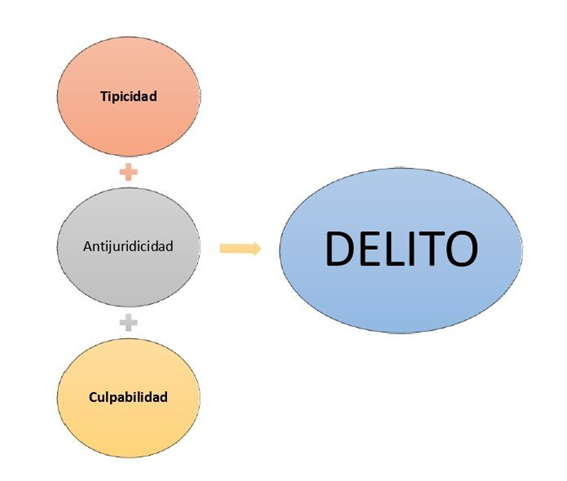
- It does not eliminate guilt. Guilt along with the other two requirements of the theory of crime make up the crime.
- Nor does it eliminate typicity, since the crime itself is regulated in the penal code.
- Nor does it eliminate unlawfulness. The person knew that their actions would lead to the commission of a crime.
- It is not an extenuating factor.
- It only operates in crimes of result.
Figures similar to the aberratio causae and differences
Differences must be made between some similar figures such as aberratio stroke or aberratio delicti:

Leave a Reply