
anthroponym
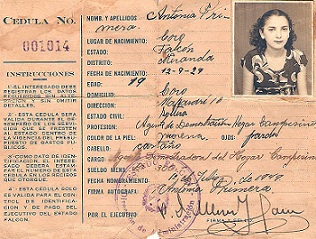
A anthroponym it's a proper name of individual. The concept of anthroponymy refers to all of these Names and his study.
Anthroponyms are words that allow appoint a human being particular. All the people inserted in a society need an identification with an element of this type, which allows them to be distinguished.
According to the period of the story and culture, the characteristics of anthroponyms vary. In ancient societies, it was enough to use a unique anthroponym, which could even carry a symbolic or descriptive meaning. Currently the usual thing is to combine at least two anthroponyms: one or two first names (first name and middle name) and a family name (surname).
In this way, that a human being has several anthroponyms helps to facilitate the unambiguous identification. Keep in mind that the number of anthroponyms is limited, with which repetitions occur. This can even happen even if three or more anthroponyms are used: Juan Carlos Pérez Martínez, for example, is a series of four anthroponyms that refers to many different subjects.
According to him Genesis, the first book of the Bible, Adam was the anthroponym that named the first human. This name of Hebrew origin refers to "Man of the earth" or "Man of the red earth". From then on, multiple anthroponyms began to emerge and develop, many of which have an uncertain origin.
In the Ancient Rome, to mention one case, children used to be named with numbers: Sextus, Octavius, etc. With Christianity, anthroponyms related to moral values, sacraments, liturgies and dogmas, What Hope, Glory or Comfort. The patronymicmeanwhile, they are anthroponyms that designate lineage or filiation (as Gonzalez, derived from Gonzalo).

In a curious way, in close contact with other people we never use more than one anthroponym, which in some cases is a Nickname affectionate, a diminutive of their first name or a word that refers to some very distinctive characteristic of them. Throughout the same day, the same woman named Paloma, for example, may be called "Palomita", "Palo", "pretty", "divine" and in many other ways.
It is also possible to use terms that, jokingly or not, describe a trait of their way of being or just the opposite. If a boy named Marcos is very lazy and a friend tells him "Hey, you employee of the month, come here!", this is a mild way of negatively criticizing their lack of activity. On the other hand, if you really were a worker and called it that way, you could have a sense completely opposite, even admiration.
The main point is that we do not usually use anthroponyms to address our loved ones unless one of two situations occurs, among others: their first name does not have a diminutive easy to pronounce or known; let's be angry with them. It is very interesting that this kind of terms devised to organize societies and allow us to enjoy a series of benefits thanks to the possession of an identity document can also serve to express anger.
Another of the uses of the anthroponym is the formation of a lineage, as anticipated above when speaking of the surname Gonzalez. In our language and today we no longer use it in this exact way, since millions of people carry the same surname regardless of their parents' names, but at least it serves to recognize that certain groups "have the same blood." In this framework, it is possible to speak of «the Gonzálezes» to refer to all the members of the same family.
Leave a Reply