
Breaking and entering
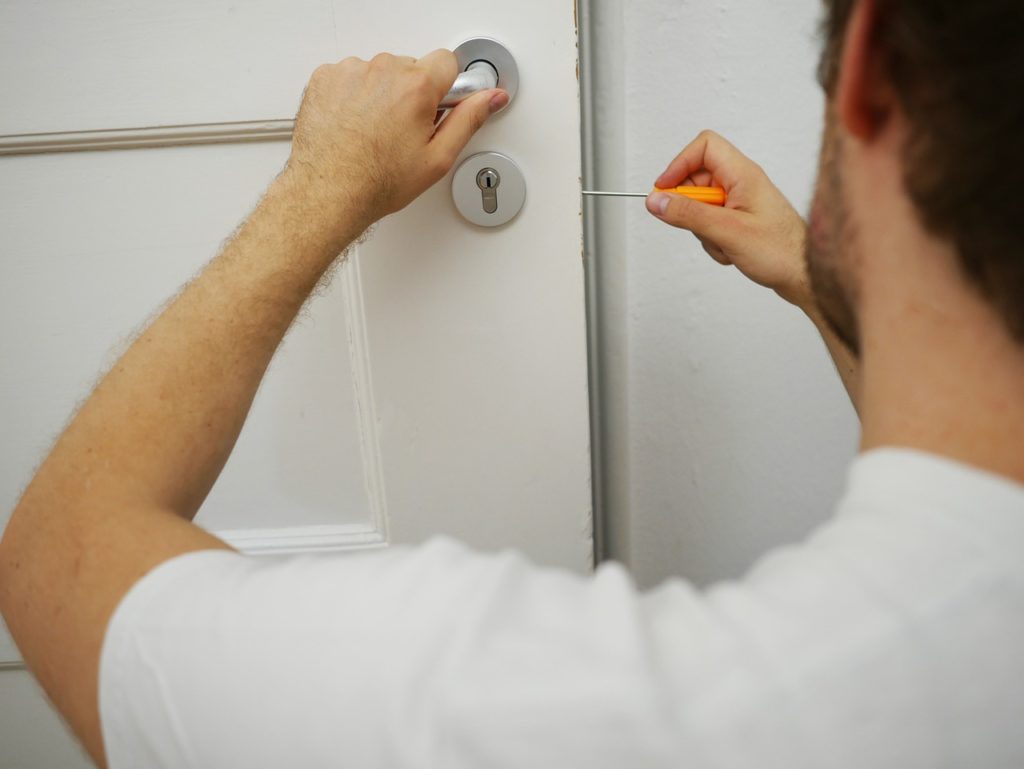
The trespassing is a crime included in the penal codes consisting of entering the home of another person's private property or staying there without their permission.
No one can enter the private home of a person without the consent of the same. With the exception, of course, of the security forces when they have judicial authorization or in flagrante delicto (it is just being committed and the security forces see it).
There is no need for violence for this break-in to take place. Even so, if there is force, it usually carries a more serious penalty.
What is purple?
The raid refers to that entry or permanence, but what does the dwelling refer to? It is the private property in which one enters or remains, not only refers to the habitual residence and also refers to the registered office of a private property.
Therefore, the home is a closed space that not everyone can access and where the owner of this private property develops his daily life, his privacy, it does not matter whether it is on a regular basis (first address) or sporadically (second residence), it must be an inhabited house.
Homes that are not finished or that are abandoned or even unoccupied are not dwellings (this does not mean second residence).
Characteristics of breaking and entering
The most relevant characteristics of this crime are:
- To be the author of this crime, you cannot be a security force in compliance with the law or the instructions of a judge.
- Only a natural person who is not the owner of the address may be the author.
- Not having the consent of the owner to access the address or if the owner has asked to leave, remain at the address will be considered a raid.
- The search can be at the domicile of a natural person as well as a legal person.
- It can be committed with force or without it, being able to enter through the door or forcing a window.
Usurpation (occupation) and trespassing
Usurpation and trespassing are crimes that are often confused due to their similar characteristics. But we must not confuse them since the associated penalties are disparate and do not constitute the same acts.
- Trespassing is entering or staying without permission on private property that YES constitutes abode.
- Trespass is entering or staying without permission on private property that NOT constitute abode. That is to say, abandoned house, not finished construction or unoccupied.
The difference is not the time that remains or if you use force or violence at the entrance, the key that differentiates these two crimes is the concept of dwelling.
Burglary penalties
The penalties vary according to the country so for example we can observe:
- Spain punishes this crime with prison from 6 months to 2 years.
- Mexico punishes this crime with imprisonment from 1 month to 2 years.
- Argentina punishes this crime with prison from 6 months to 2 years.
- Peru punishes this crime with prison from 1 year to 3 years
- Ecuador punishes this crime with prison from 6 months to 2 years.
- Guatemala punishes this crime with imprisonment from 3 months to 2 years.
Leave a Reply