
Autarchy
Autarky is a situation of independence and total self-sufficiency in political and socio-economic terms. Thus, the country or region does not participate in international trade.
That is, a territory autarkic produces internally everything that its citizens consume. That way, you don't need to purchase any merchandise from abroad.
The formation of autarchies has always responded to the objective of self-sufficiency. This implies that the different demands of the inhabitants have to be satisfied with the economic activity of the place itself.
On a practical level, it is easy to identify an autarkic state as a closed economy. This is characterized by not carrying out trade activities with other countries, that is, imports and exports are restricted.
Another relevant aspect of autarky is that the Government directs the economic life of the country, controlling prices and production systems. In addition, the authorities seek to influence consumption patterns.
Advantages and disadvantages of autarky
An autarkic regime is mainly beneficial for producer agents in some sectors that see foreign competition as a threat.
In this sense, these types of self-sufficiency economic policies often aim to promote and encourage certain local or regional industries.
However, it is very difficult for a country to develop all the goods and services that its consumers require. Even if it could, the cost of production could be very high in some markets.
History has shown that the most extreme autarky is a utopia, since in today's world international trade is necessary. In addition, it allows the use of comparative advantages.
Another point to underline is that in autarky the central government has full control over the country's natural resources and its industrial fabric. Therefore, those areas with a larger base of natural or energy resources are more likely to function as autarchies.
Examples of economies in autarky
Often dictatorships or other totalitarian systems apply autarky, mainly for ideological reasons. Thus, we see examples of the left, such as North Korea or the communist regimes of the former Soviet Union. But there are also cases of far-right governments, such as Nazi Germany.
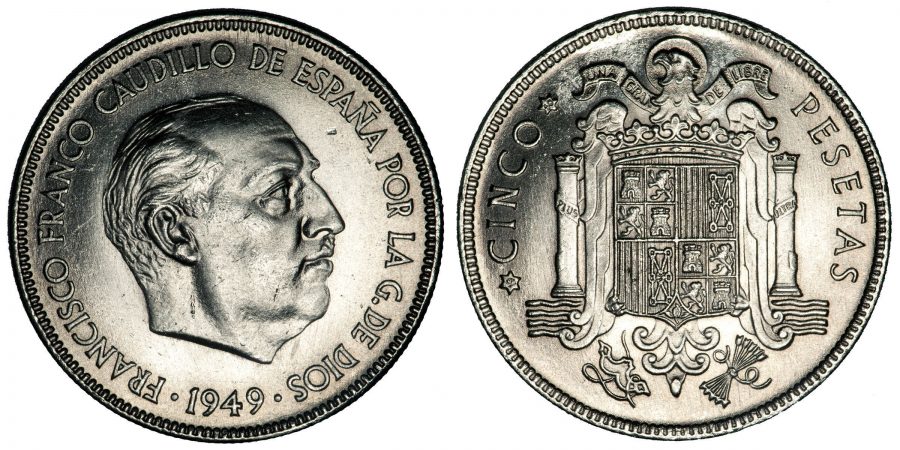
Mainly, we find historical examples of autarkic economies in periods after the great wars of the 20th century. This is the case of Spain after the Civil War and in the first stage of the Franco dictatorship.
It should also be noted that there may be short periods of autarky, for example, in the face of a political and warlike conflict, or if a natural disaster occurs that isolates the area.
Leave a Reply